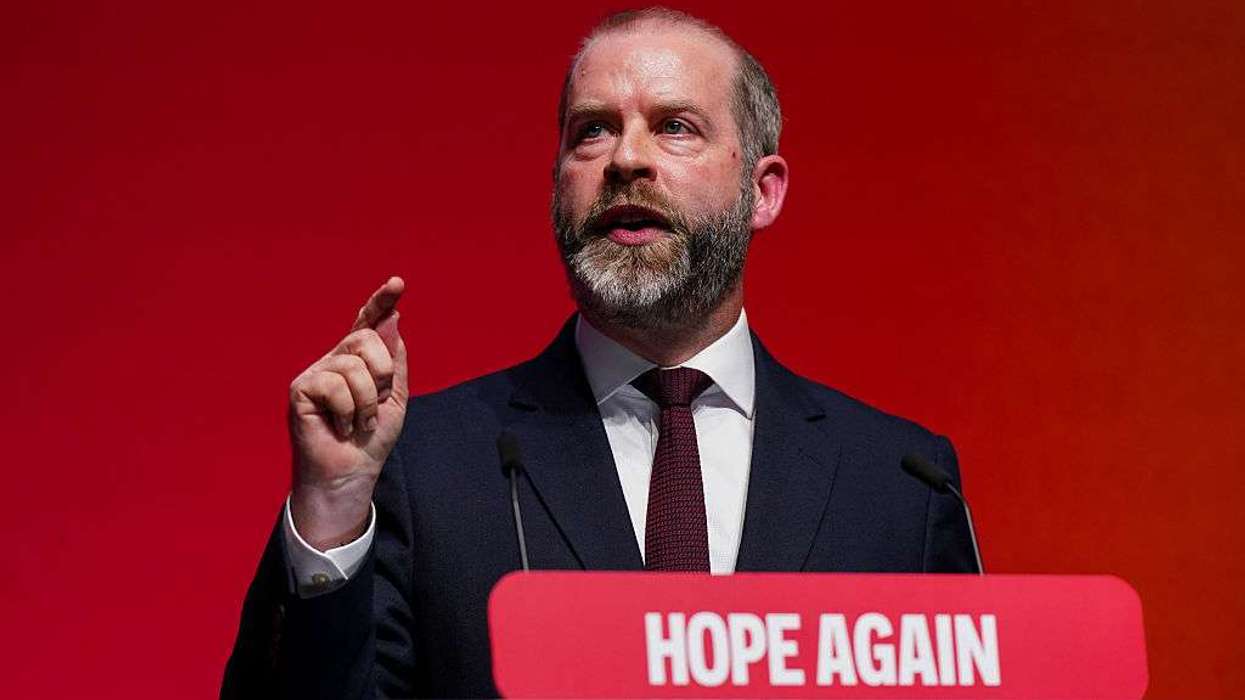

BUSINESS SECRETARY Jonathan Reynolds, who signed the UK-India trade deal last year, has backed a 200-strong northern trade mission to India, calling it “an exciting initiative” in the next stage of the partnership.
The Great North trade mission runs from October 12 to 16. It brings together nearly 200 representatives from across the region, including mayors, businesses, universities, sports clubs and leaders in tourism and culture.
According to a statement, it is the first major trade visit to India since the India-UK Comprehensive Economic and Trade Agreement (CETA) came into force on July 15.
Government analysis suggests the deal could add about £450 million a year to the northern economy in the long run. That breaks down as £210m for the North West, £170m for Yorkshire and the Humber, and £70m for the North East.
The figure is modest set against overall UK-India trade, which stands at about £48 billion a year. That makes the mission’s results worth watching closely.
What the North is pitching
The mission is chaired by North East mayor Kim McGuinness. She named clean energy, advanced manufacturing, life sciences, technology and the creative industries as the region’s strongest offer to Indian partners.
“The North is going to India with ambition, confidence and a simple message: we want to seize every opportunity this new trade deal creates,” McGuinness said.
“We’re not waiting for the benefits to come to us,” she added. “We’re taking the North’s leading businesses, universities, sports clubs and visitor destinations to India to win investment, open doors for our businesses, bring more visitors to the North and build relationships that can last for generations.”
The mission is delivered in partnership with HSBC. It has three aims: to win new Indian investment and contracts for northern firms, to attract more Indian visitors, and to build partnerships between universities and institutions.
Turning momentum into deals
The UK India Business Council (UKIBC) is the mission’s strategic partner. Its group chief executive, Dr Kishore Jayaraman, said the focus was on converting the deal’s momentum into “tangible commercial, investment and institutional partnerships”.
Reynolds signed the agreement with India’s commerce minister Piyush Goyal in July 2025.
The deal cuts tariffs on most goods traded between the two countries, with some reductions phased in over time. But trade experts have repeatedly noted that entry into force does not mean automatic benefit. Firms still need to understand the rules, find partners and win contracts.