FOR the second year in a row, cases of white terror suspects arrested in the UK have outnumbered those involving ethnic groups.
Official data revealed that 117 white people were arrested on suspicion of terror offences in 2019, against 111 Asian and 21 black suspects.
A Home Office document said: “The proportion of white people arrested exceeded the proportion of Asian people arrested for the second consecutive year, having not done previously since 2004.”
In 2018, of 273 people arrested on suspicion of terror-related activity in the country, 43 per cent had been of white ethnic appearance—an increase of 9 per cent—in comparison with 31.5 per cent Asian suspects.
The spike in figures came after increased police raids against far-right extremists, especially members of the neo-Nazi group National Action, which had been banned in 2016.
Incidentally, just as the Home Office’s latest figures were being analysed, the Met's Counter Terrorism Command said on Thursday (5) that it had arrested a serving police officer “on suspicion of being a member of a proscribed organisation linked to right wing terrorism”.
The 21-year-old police constable, who worked in Frontline Policing, was arrested under PACE, was arrested from an address in north London, where officers were carrying out searches.
The officer’s status was placed under review, and the matter was referred to the Independent Office of Police Conduct.
Notably, the head of counterterror police, Assistant Commissioner Neil Basu, had declared right-wing extremism as the “fastest-growing” terror threat in the UK last September, adding that intelligence agencies roped in for the first time to assess the issue.
“The extreme right wing is starting from a very low base but a 17 per cent rise in hate crime should make us all pause for thought,” said Basu at that time.
He added that some of the prevented right-wing plots had been “designed to kill people”.
“When nearly a third of the plots foiled by police and security services since 2017 relate to right-wing ideology, it lays bare why we are taking this so seriously,” he said.
“As a proportion of our overall threat it's definitely increasing, whereas the Islamist threat is staying the same, albeit at a very high level.”
As per the latest official data, 25 attack plots—including 16 Islamist and 8 far-right—were foiled since March 2017.
Last year, officers arrested 280 terror suspects, two lesser than in 2018.
While under a third of the suspects were charged, about 39 per cent were released with investigations continuing, 23 per cent were freed without charge and 7 per cent faced alternative action.
Director of international security studies at the Royal United Services Institute Raffaello Pantucci noted that white suspects would include “far-right extremists, Muslim converts and people of ‘mixed or unclear’ ideology”.
He also pointed out that the figures available may reflect the “operational capacity” of police.
“This is the number that you will see being dealt with because that’s what the system can handle,” he told the Independent.
“The far-right problem has been increasing—the intelligence services’ decision to focus on them is a reflection of the fact they see a genuine problem escalating and they need to deal with it.”
Deputy Assistant Commissioner Dean Haydon, senior national coordinator for counterterror policing, said the last three months of 2019 saw a surge in overall arrests related to terrorism.
“As we have seen in the last few months, attacks can happen anywhere and at any time without warning,” he said.
“The figures show that the gradual decline in terror-related arrests has continued since 2018, but despite this—and the reduction in the threat level from severe to substantial—the attacks in Fishmongers’ Hall and Streatham demonstrate that we cannot allow ourselves to think this threat has diminished.”
As of December 31, reports said, there were 231 prisoners in custody for terrorism-related offences in Britain, up by nine cases over 2018 figures.
About three-quarters of them held radical Islamic views, 18 per cent far-right and 6 per cent “other ideologies”.





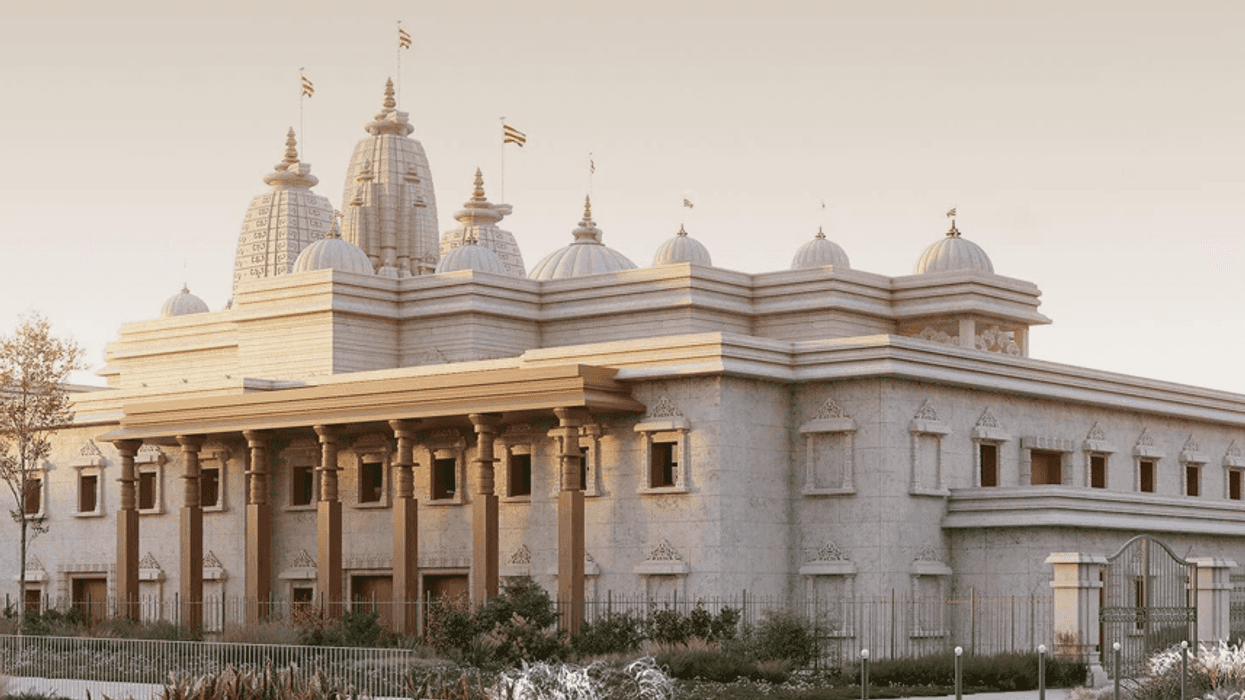
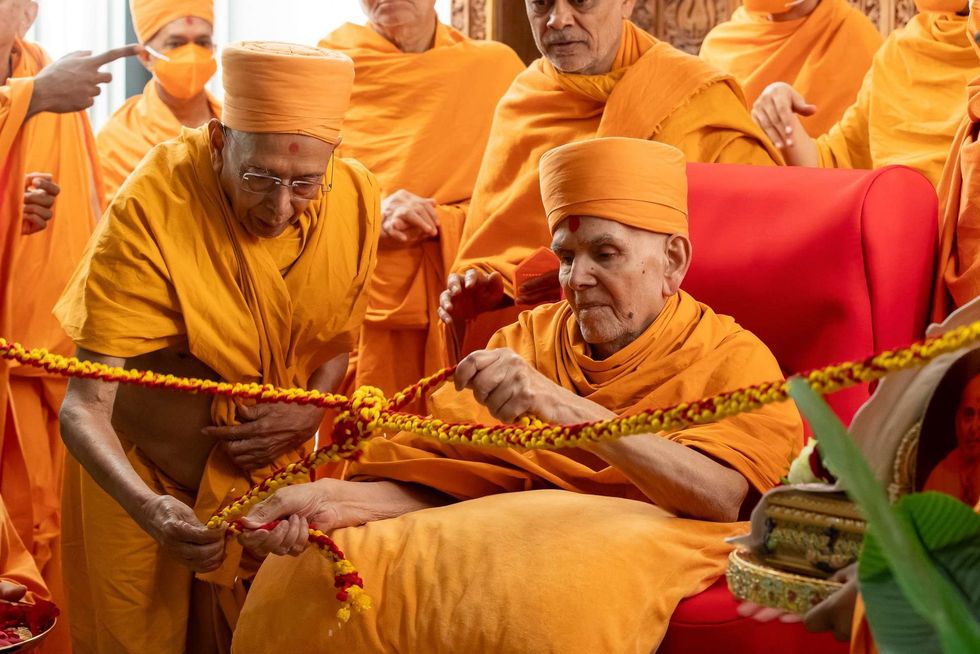 Mahant Swami Maharaj arrives in France ahead of the Paris Mandir Mahotsav BAPS Paris Media
  Historic Jal Yatra starts at the iconic Eiffel TowerBAPS Paris Media
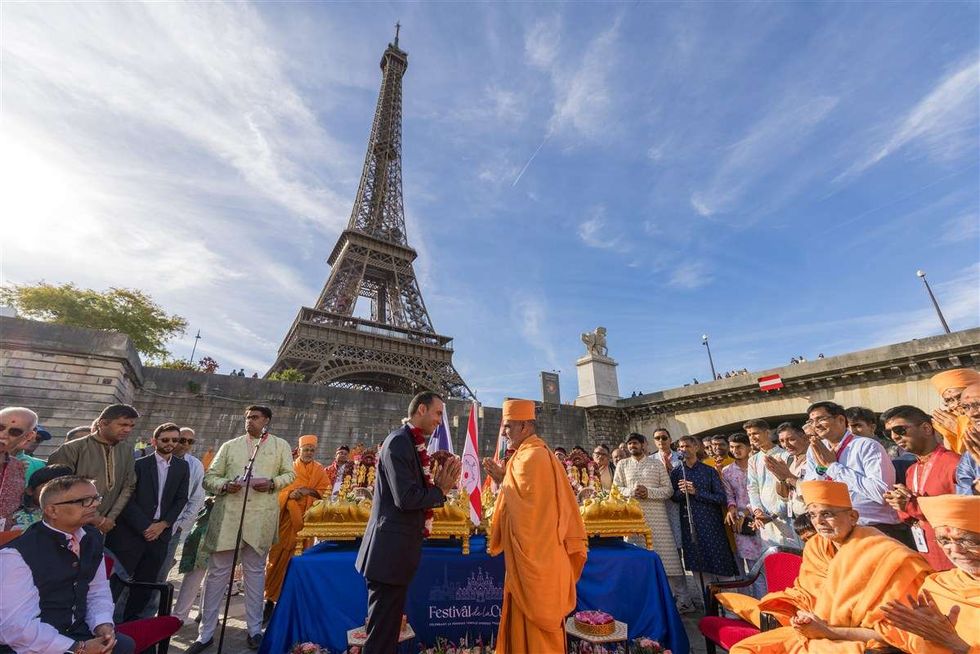 Organisers called it the largest coordinated flotilla to sail the Seine since the opening ceremony of the Paris 2024 Olympic GamesBAPS Paris Media
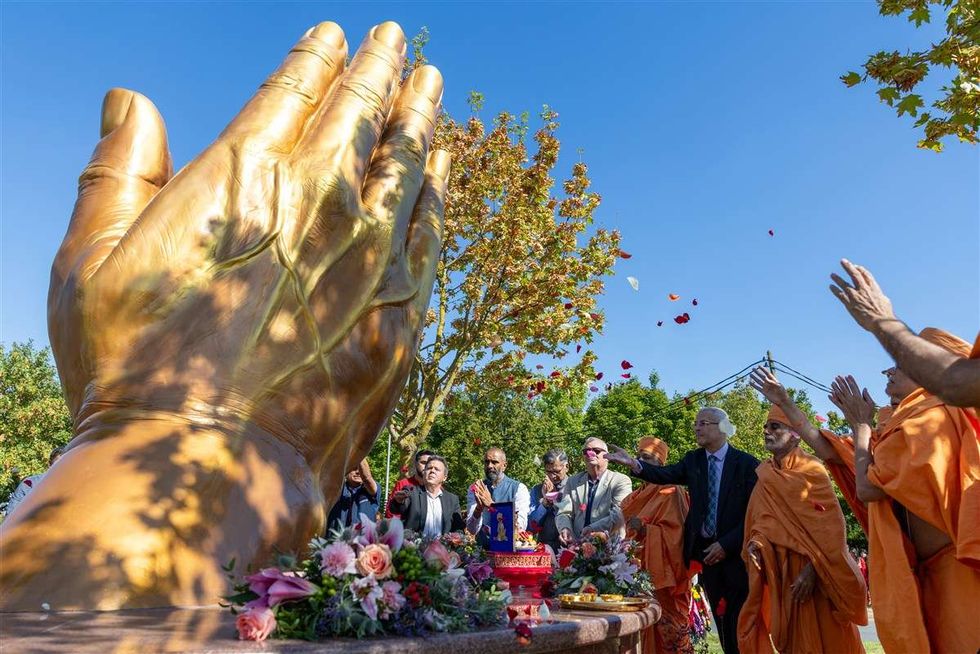 A sculpture of folded hands in the traditional Indian gesture of namaste was unveiled at a roundabout in Bussy-Saint-Georges this weekBAPS Paris Media