
Highlights
- A celebrity chef was brought in to encourage southeast Asian households to wash rice fewer times.
- Muslim households were advised that wudu could be performed using one litre of water.
- Critics said water companies should focus on leaks, which waste more than one billion litres a day.
FOR many Asian families, washing rice before cooking and performing wudu before prayer are ordinary parts of daily life. But a £270,000 water-saving project has turned both practices into the focus of a campaign aimed at Asian and Muslim communities.
Wudu is an ablution or cleansing ritual that is an important part of purity and cleanliness in Islam.
The initiative, funded through Ofwat’s Water Innovation Fund, has been criticised as “bizarre”, with opponents questioning why billpayers’ money was used to target established cultural and religious practices. At the same time, huge volumes of water continue to be lost through leaks.
According to the Telegraph, the project was led by South Staffordshire Water and examined ways to encourage water-saving behaviour among “faith and diverse communities”.
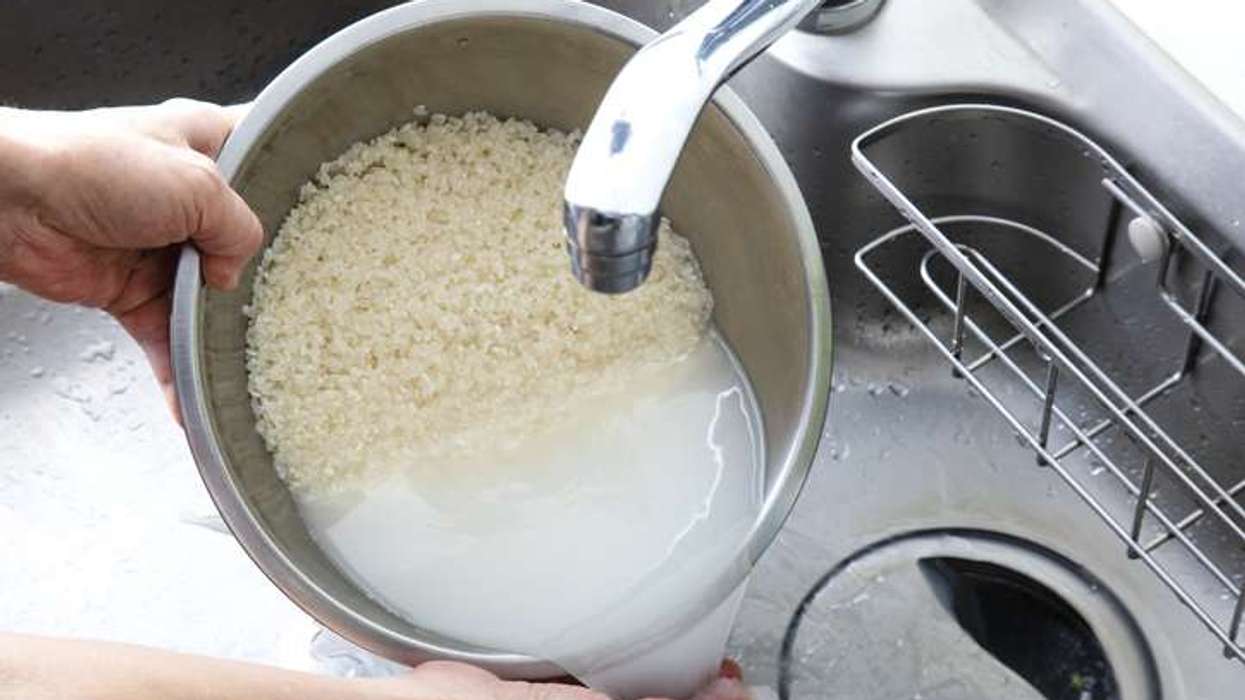
Research found households used an average of seven litres of water to wash rice before cooking, although researchers said one litre was sufficient.
Celebrity chef Ping Coombes, who won MasterChef in 2014, was brought in for a campaign video released in 2024.
“It is common practice to wash your rice five to seven times till the water runs clear. It made me think, is it really necessary to wash rice so many times? I actually wash my rice only twice," Coombes was quoted as saying.
Careful use of water
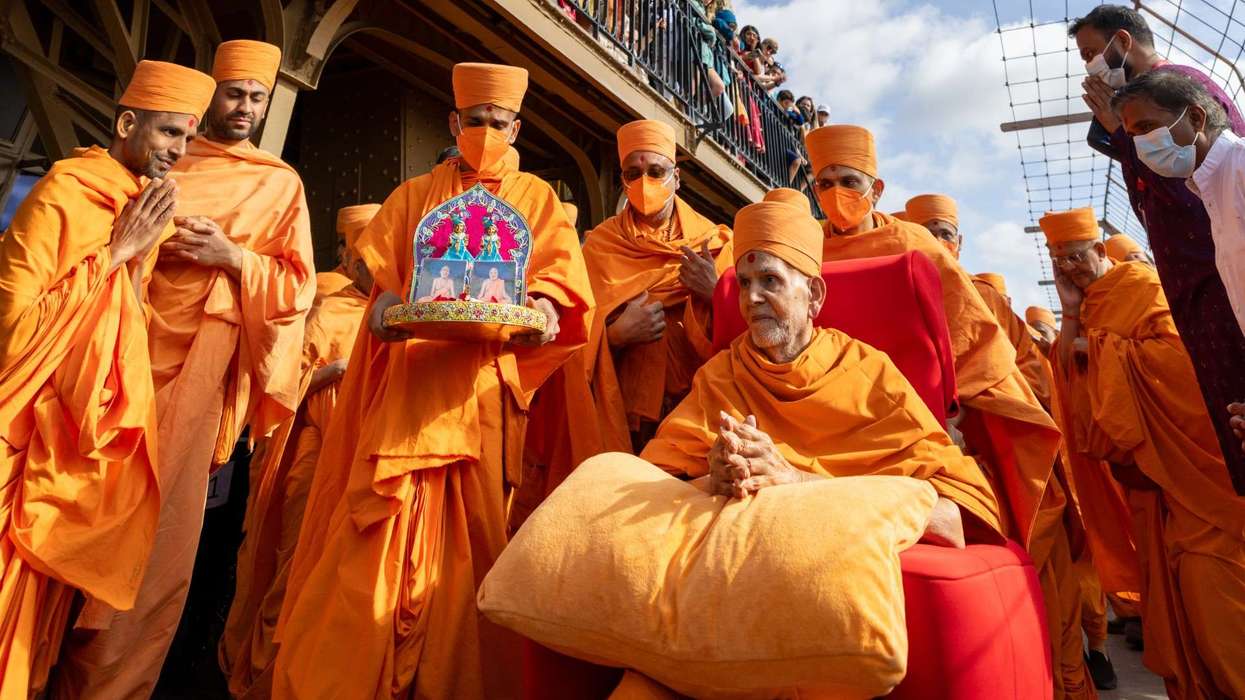
The project also looked at water use during wudu.
The research found Muslims could use between six and 12 litres during each wudu session when water was left running from a tap. A group of Muslim households around Cambridge Central Mosque were advised to use only one litre.
According to the study, this could save as much as 55 litres of water a day per person if adopted, and recommended wider promotion through Islamic television channels.
However, the findings have prompted questions about whether public money should be used to address cultural or religious practices in this way.
Mike Wood, the shadow Cabinet Office minister, said: “Cutting down on water waste is a noble aim, but the bigger issue here is the waste of taxpayers’ money.”
“Families are already facing huge bill increases; they will not be best pleased that their money is being spent on bizarre schemes centred on trying to change longstanding religious and cultural practices.”
The criticism comes as the water industry faces mounting scrutiny after a prolonged dry summer, with parts of Britain under hosepipe restrictions.
Critics have also pointed to leaks across the water network, which result in more than one billion litres of water being wasted every day.
The Telegraph reported that Ofwat’s £600m Water Innovation Fund, launched in 2020, is financed by household water customers in England and Wales and supports research into ways of tackling the climate crisis.
South Staffs Water said: “Water efficiency is an important part of managing water resources” and said its engagement reflected “the demographic we serve across both regions”.
Ofwat defended the pilot, saying the dry weather showed the need for people to use water more efficiently.
An Ofwat spokesman said the project worked with “multiple faith groups” to provide communities with “relevant and practical suggestions to save water”.
The spokesman added that the pilot “did not tell people what they can or can’t do, or impinge on religious worship or custom”.
The project itself warned that water companies should not appear to “blame” a particular religion for being more wasteful than others when communicating about water use.