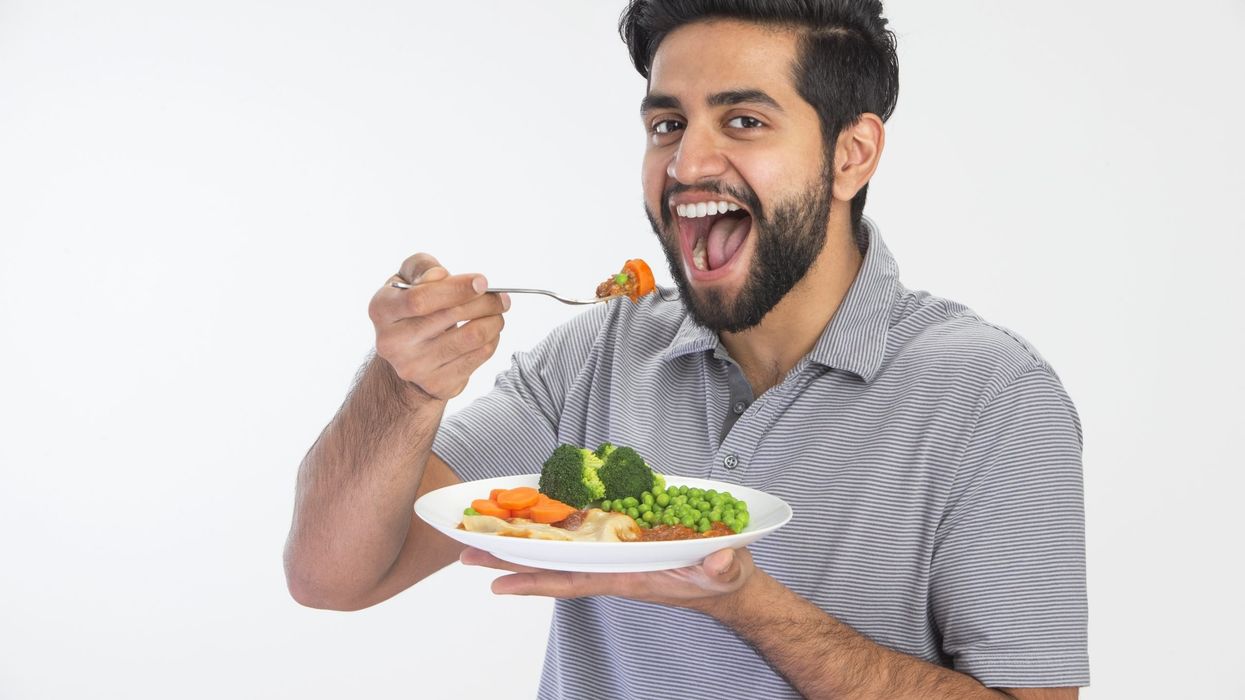

Leanne Ward, a leading fat loss and gut dietician from Brisbane has advised that you should wait until your body is 'physically hungry' to eat, instead of eating by the clock.
The expert has also revealed five essential things and a handful of 'key points' she consistently shares with her clients for quick and lasting results, the Daily Mail reports.
Taking to Instagram, Leanne writes, 'These five things have allowed me and my clients to consistently eat healthy and live (and love) a healthy lifestyle long term.'
1. Consistency counts
Being consistent, not perfect, is reportedly the most important thing Leanne shares with her clients.
'One salad doesn't make you healthy, and one ice cream won't make you gain weight,' she states.
According to the expert, you should find a 'balanced approach' to eating, meaning you should be able to follow it easily for a lifetime without depriving yourself of your favourite foods.
Leanne follows the 80/20 approach. So, she reportedly eats healthy 80% of the time, and for the remaining 20%, she indulges in what she loves to eat.
2. Keep stress at bay
The second thing Leanne reportedly tells her clients is to 'manage their stress levels before it's too late'.
She adds, 'Waiting until you're super stressed and you want to inhale a block of chocolate is too late to manage it.’
'Do mini stress reduction techniques during the day to avoid self-sabotaging your goals,' she said.
Some of the small things you can do to ease stress is try to take a 15-minute walk, practice mindfulness or yoga or get off your computer and take a stroll in nature during your lunch break at work.
Leanne informs that her clients find it easier to get rid of weight when they are less stressed.
3. Add more veggies to your diet
Though many of us might think we consume enough vegetables, the truth according to Leanne is that 90% of us do not eat enough of these foods.
'If you want to get healthy, start by eating more vegetables,' she said.
'Make them taste good so it's a habit that sticks.'
You could do this by making your vegetable preparations more interesting by adding herbs, spices, and different flavours.
4. Ensure you are eating wholefoods
When it comes to your health, the dietician informs that supplements, powders, and pills can only provide a '5-10 per cent edge.'
She explains that ‘the bulk of good quality nutrition should come from wholefoods.'
She further advises to 'get your diet right first before wasting money on supplements, pills and magic potions.'
Your plate should ideally contain half vegetables, a quarter of protein like fish, eggs, and chicken, and a quarter of complex carbohydrates like peas, beans, fruits, whole grains, etc.
Including a sprinkle of healthy fats like avocado and extra virgin olive oil in your diet is also good.
5. Eat only when you are actually hungry
Leanne's final point is, rather than following the clock regarding when you should eat – it is better to eat only when you are truly hungry.
She is quoted as saying, 'Don't eat just because you woke up, the clock says to eat, everyone else is eating or you're sad.’
'Wait until your body physically needs food to eat it,' she concludes.