
Highlights:
SOUTH Asian women across the UK are facing a growing health crisis, one that is causing pain, fatigue and fractures, yet is repeatedly dismissed as “age”, “stress” or “just life”.
Vitamin D deficiency and early osteoporosis are serious concerns, and women are suffering in silence. This is a bone health problem affecting mothers, daughters and grandmothers, and it can no longer be ignored.
Public Health England has reported that south Asian adults have some of the lowest vitamin D levels in the UK, with deficiency rates reaching 90 per cent in winter.
This is not a personal failing; it is a predictable combination of biology, lifestyle and cultural norms. These include vegetarian diets that can be low in vitamin D, reluctance to seek early medical advice and stigma around “weakness” or bone pain.
Darker skin requires more sunlight to produce vitamin D, while modest clothing and indoor lifestyles can reduce sun exposure and limit natural vitamin D synthesis.
Vitamin D deficiency rarely shouts; it whispers. Symptoms can include persistent bone pain, muscle weakness, fatigue, back pain, difficulty climbing stairs, feeling “heavy” or “slow”, and aches dismissed as “just getting older”.
These symptoms should not automatically be dismissed as normal ageing. They may be early warning signs of an underlying health problem and deserve attention.
Vitamin D is essential for absorbing calcium. Without enough of it, bones can weaken, and prolon-ged severe deficiency can cause osteomalacia. Osteoporosis is a separate condition in which bones become fragile and break more easily. Vitamin D deficiency can contribute to poor bone health and increase fracture risk.
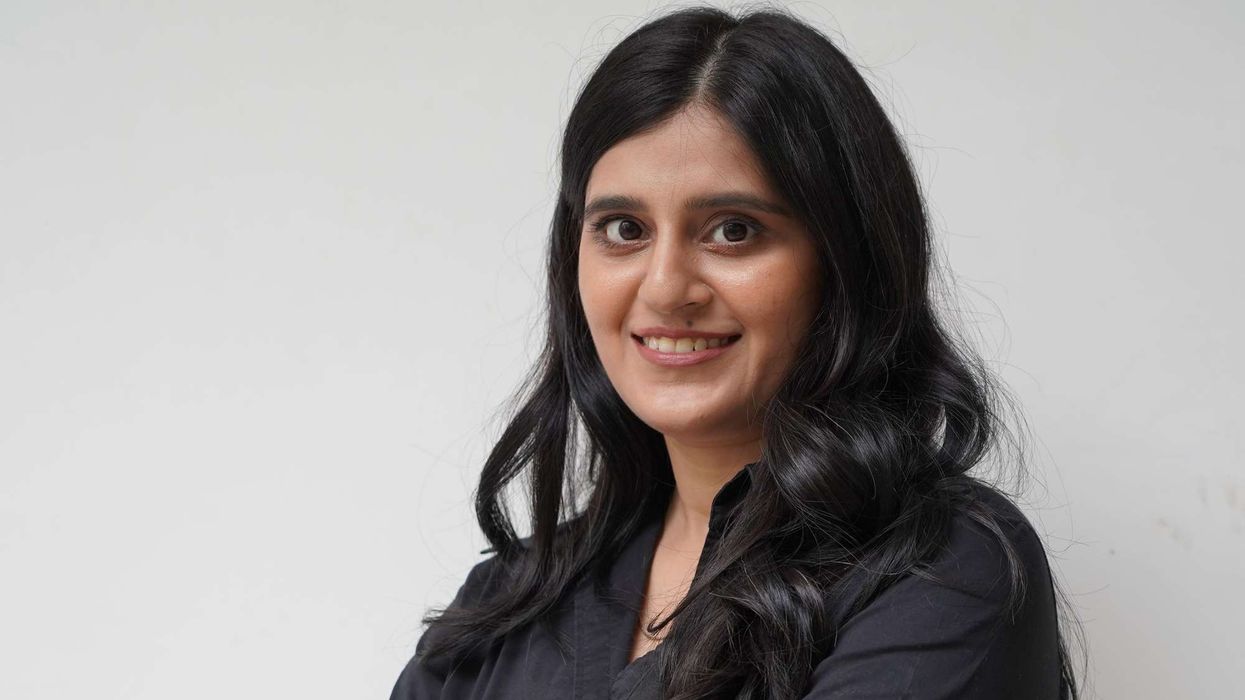
 Dr Kalpana Purshottamdas LakhaniEastern Eye
UK research shows that south Asian women have lower bone mineral density and are more likely to develop osteoporosis earlier than white British women. This means fractures can happen from minor falls, everyday movements or even lifting household items.
One woman with persistent back pain delayed seeking care for months, believing it was “just age”. Her vitamin D levels were extremely low.
A grandmother fractured her wrist after slipping on wet sand, and a subsequent bone density scan revealed undiagnosed osteoporosis. A middle-aged woman whose fatigue had been attributed to menopause was found to have early osteoporosis. A young woman with severe vitamin D deficiency associated with an indoor lifestyle and modest clothing required urgent supplementation.
South Asian families often rely on home remedies, informal advice and “waiting it out” before seeking medical care. Bone pain is frequently minimised, and women often put family responsibilities ahead of their own health.
Common cultural habits include a “don’t bother the doctor” mindset, the belief that symptoms will settle on their own, stigma around ageing or weakness, women putting their health last, lack of awareness about vitamin D testing and the misconception that supplements are only for older people.
Vitamin D deficiency is treatable. Osteoporosis is often preventable. Women should consider asking their GP for a vitamin D test if they have persistent pain or fatigue; requesting a DEXA scan if they are at risk of osteoporosis; taking supplements if recommended; spending short periods in sunlight safely; including vitamin D-rich foods in their diet, including vegetarian options; and not ignoring bone pain.
Ignoring it can allow underlying problems to worsen and increase the risk of fractures.
Early diagnosis can help preserve mobility, independence and quality of life.
Our community must take bone health seriously and stop normalising symptoms that need medical attention.