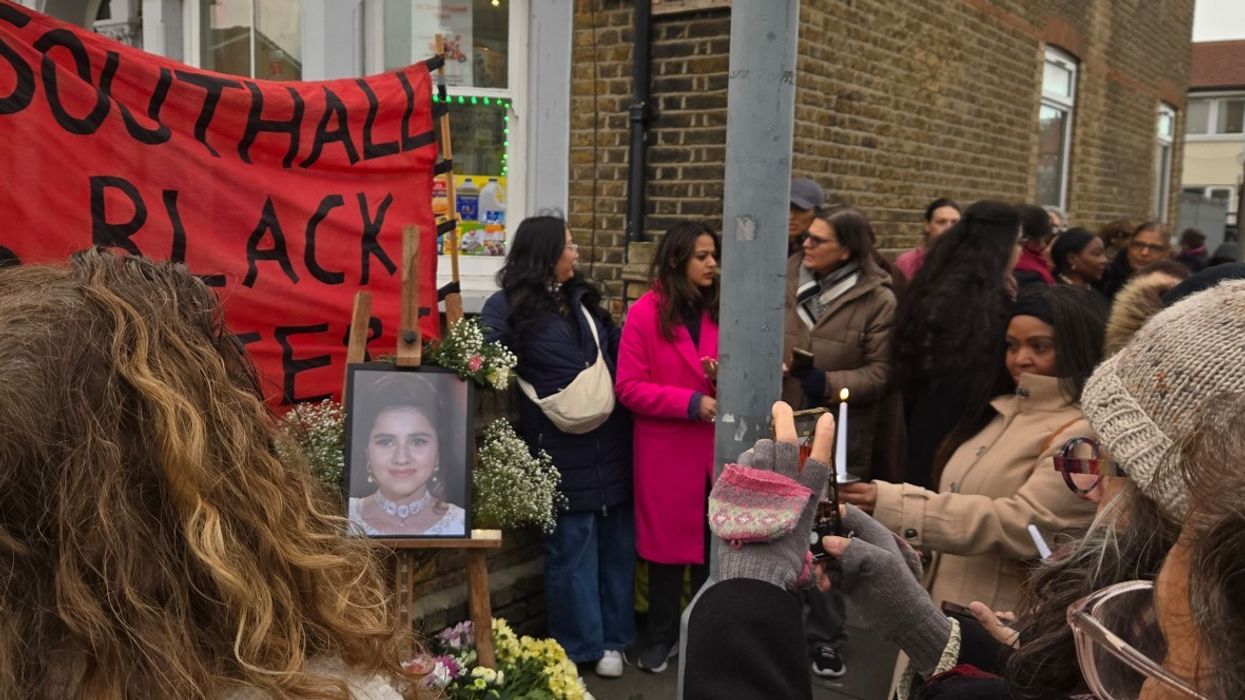

A VIGIL was held on Brisbane Road in Ilford, London, on Friday, 24 January, to honour the life of Harshita Brella, a migrant victim of domestic abuse believed to have been killed by her husband.
The event was organised by Southall Black Sisters (SBS) and attended by over 40 activists and community members.
Harshita’s body was found last year on Brisbane Road, far from her home in Corby, Northamptonshire. Identified as a high-risk domestic abuse victim, she had been in contact with statutory authorities, but her specialised needs were reportedly unmet.
The vigil highlighted systemic failures in protecting Black, minoritised, and migrant women from violence.
Harshita’s family, based in India, called for accountability and justice, stating, “We cannot allow her story to go unheard.”
SBS executive director Selma Taha urged the government to address gaps in support for migrant victim-survivors. She called for equal rights, extending protections like the Domestic Violence Indefinite Leave to Remain rule to all victims, and introducing a firewall to prevent immigration data-sharing.
Messages of support from bereaved families of other victims, including Banaz Mahmod and Raneem Oudeh, were also read at the vigil.
Attendees paid tribute with flowers and candles, expressing sorrow and frustration over systemic shortcomings.

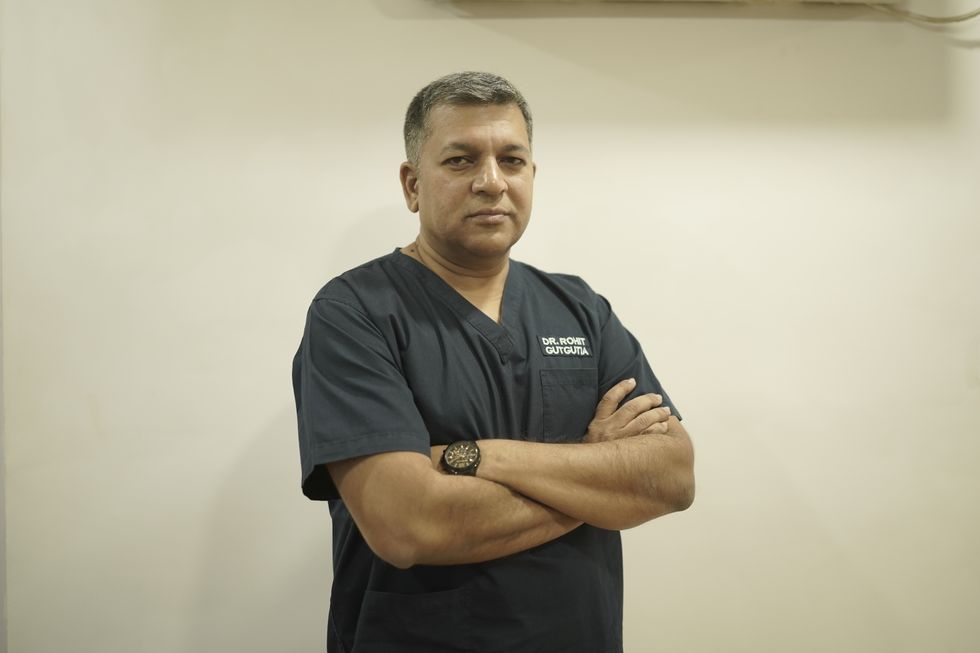 Dr Rohit Gutgutia is a fertility and IVF specialist with more than two decades of experience in reproductive medicine. He holds an MBBS and DGO in Gynaecology and Obstetrics and trained in advanced IVF in Israel in 2005.