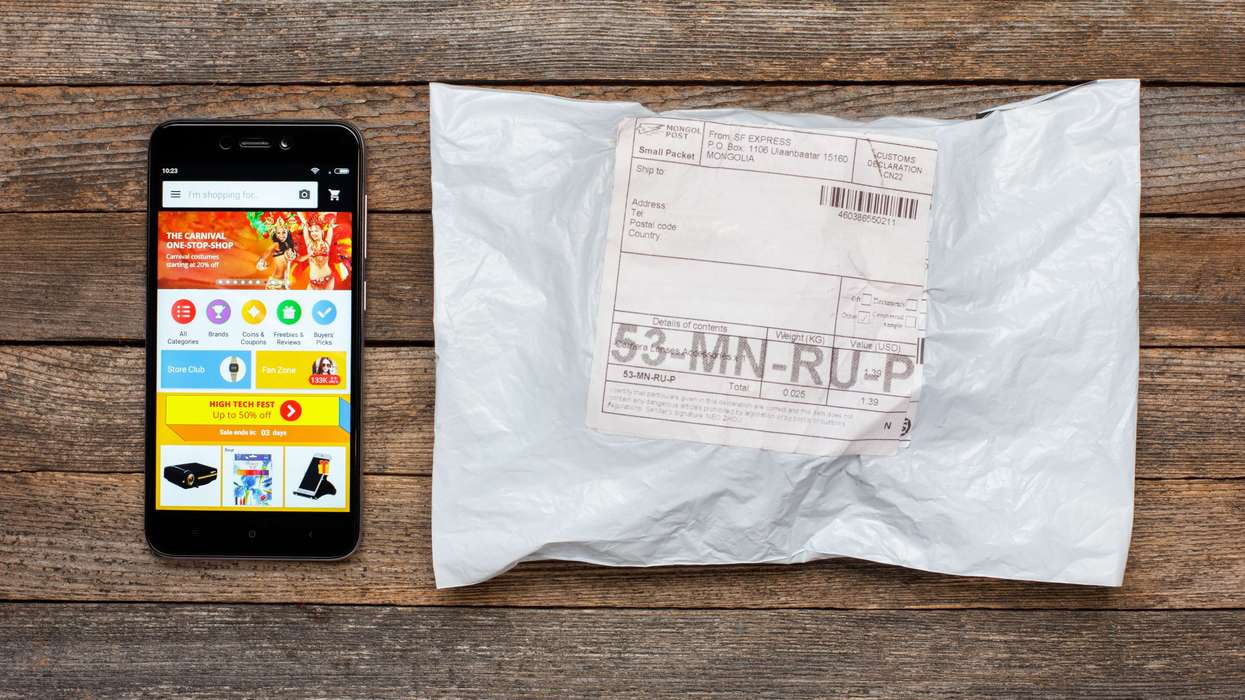

- AliExpress has been fined £467 million (€550 million) under the EU's Digital Services Act.
- Regulators said illegal, counterfeit and unsafe products remained on the platform despite being identified.
- The company plans to appeal, calling the penalty disproportionate.
Chinese online retailer AliExpress has received a record £467 million (€550 million) fine from the European Union after regulators concluded it failed to prevent the sale of illegal, counterfeit and unsafe products on its platform.
The penalty is the largest ever issued under the EU's Digital Services Act (DSA), signalling a tougher approach towards major online marketplaces that fail to protect consumers from harmful or illegal goods.
The European Commission said a two-year investigation found AliExpress had not adequately assessed the risks posed by products sold through its marketplace and had failed to meet its legal obligations under the DSA.
When safety checks fall short
According to the Commission, AliExpress's systems for identifying illegal products were ineffective. Some prohibited items were not detected, while others remained available for sale for weeks even after being flagged.
Regulators also found that the company failed to properly enforce penalties against sellers offering illegal goods and that its product compliance checks could be easily bypassed.
The Commission said recommendation algorithms also continued promoting illegal products, while staffing levels responsible for assessing product compliance were considered insufficient.
Henna Virkkunen, the European Commission's Executive Vice-President for Tech Sovereignty, Security and Democracy, reportedly said the presence of counterfeit clothing, unsafe toys and dangerous cosmetics on online marketplaces is not an unavoidable part of internet shopping but reflects failures to comply with legal obligations.
The investigation focused on AliExpress's systems rather than isolated products. Officials said the fine was imposed because the platform failed to introduce adequate measures to reduce the risk of illegal and counterfeit goods reaching consumers.
A warning to the wider industry
AliExpress, owned by Chinese technology group Alibaba, has around 193 million users across Europe, making it larger than Chinese rivals Shein and Temu in the region.
Although the £467 million (€550 million) penalty is the largest imposed under the Digital Services Act, it remains well below the maximum allowed. Under the legislation, companies can be fined up to 6 per cent of global annual turnover. Alibaba reported revenues of around £104 billion (€122 billion) last year.
AliExpress said it disagreed with the Commission's findings and described the penalty as disproportionate.
In a statement, the company reportedly said it has invested significant resources in product safety, consumer protection and risk management, adding that it intends to appeal the decision.
The retailer has been ordered to pay the fine and submit an action plan by October 20 outlining how it will address the Commission's concerns.
The action follows similar enforcement against other major digital platforms. Earlier this year, Temu was fined £170 million (€200 million) over illegal products, while social media platform X received a £102 million (€120 million) penalty last year after regulators said its paid verification system exposed users to scams.
Separate EU testing of products sold on several online marketplaces also found widespread compliance issues. Regulators reported that 65 per cent of cosmetics, 63 per cent of food supplements and 60 per cent of personal protective equipment examined failed to meet EU standards, reinforcing concerns over product safety across the sector.