Britain's National Trust has indicated its openness to restitute colonial artefacts, raising hopes that Robert Clive’s treasures could be returned to India.
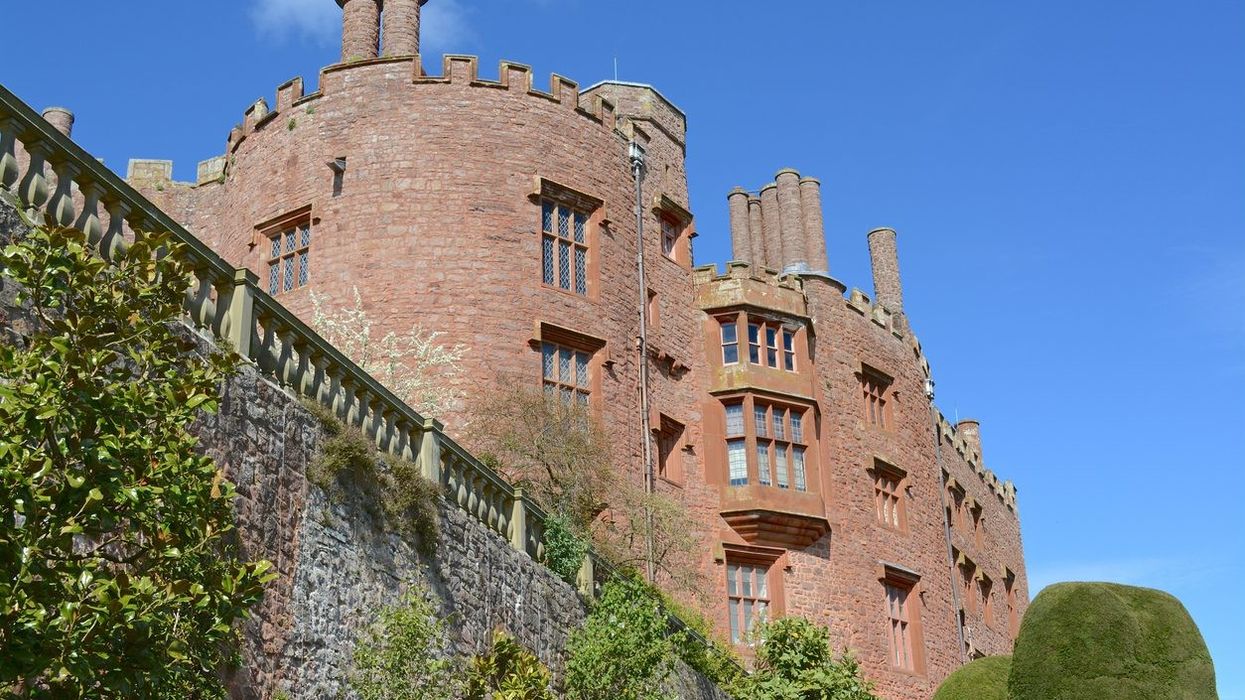
The Clive Museum at Powis Castle in Wales managed by the heritage conservation charity houses the UK’s largest private collection of south and east Asian artefacts amassed during the British colonisation of India.
The items include statues of Hindu gods, ivories, ornamental silver and gold, textiles, weapons and ceremonial armour.
They were brought to the UK during the two generations of the Clive family: Robert - the commander-in-chief of the East India Company who laid the foundation of British rule in India in the 18th century - and his son Edward who was the governor of Madras.
National Trust chair René Olivieri said his organisation would follow the advice of the Museums Association and the Arts Council on the future of the artefacts managed by it.
The Association has said the repatriation of museum objects could be “a powerful cultural, spiritual and symbolic act which recognises past wrongs”.
During a panel discussion at the Hay Festival, Olivieri said, “I think on the idea of restitution…we are in the process of creating our own policy in the National Trust.”
“We will be following the advice that has been given to all organisations by the Museums Association and the Arts Council,” he said.
He stated that the restitution was a “huge” issue given that the decolonisation of collections could make some people feel uncomfortable.
“Provenance needs to come into it, public access, public benefit, all of those questions,” Olivieri said at the annual literature event.
As the movement to repatriate artefacts seized during the British Raj is gaining ground, Glasgow Life Museums restituted seven objects to India in January this year.
They included an 11th-century carved stone door jamb taken from a Hindu temple in Kanpur in northern India.
Six of the objects had been stolen from temples and shrines across India during the 19th century and the seventh was bought after a theft from its owner, the Association said.
They had been gifted to Glasgow’s civic museum collections, it said after the dispatch of the objects under an agreement between Glasgow Life Museums and the Archaeological Survey of India.
The repatriation was part of a larger agreement approved by Glasgow City Council last year to return 51 items to India, the US and Nigeria.
National Trust indicates openness to restitute colonial artefacts
The Clive Museum in Wales has a collection of more than 1,000 items brought from Asia
National Trust



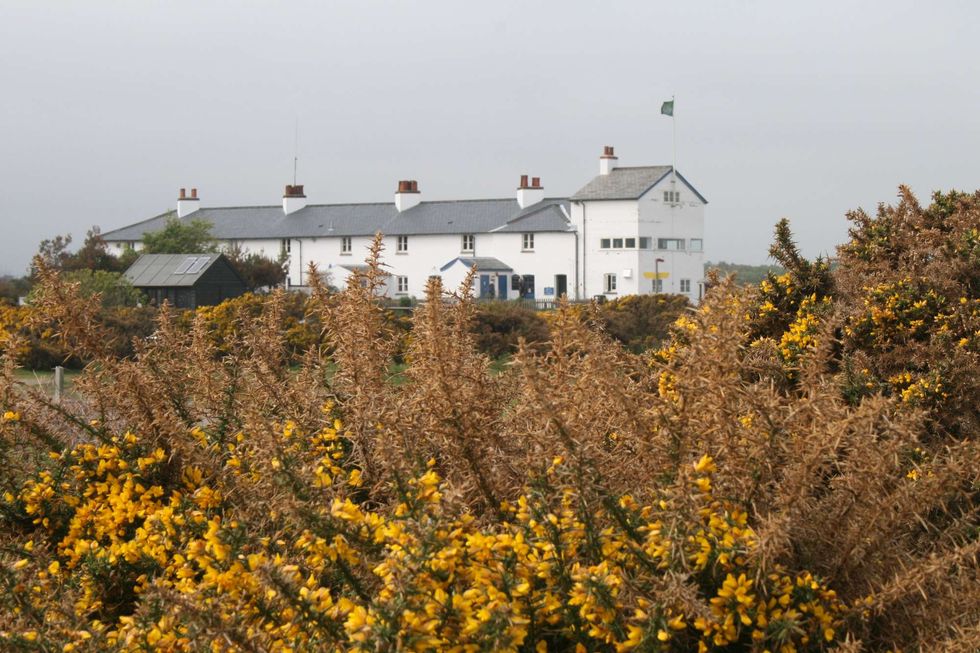 Western gorse in bloom near the cottages before the fire National Trust/Daniel Payne
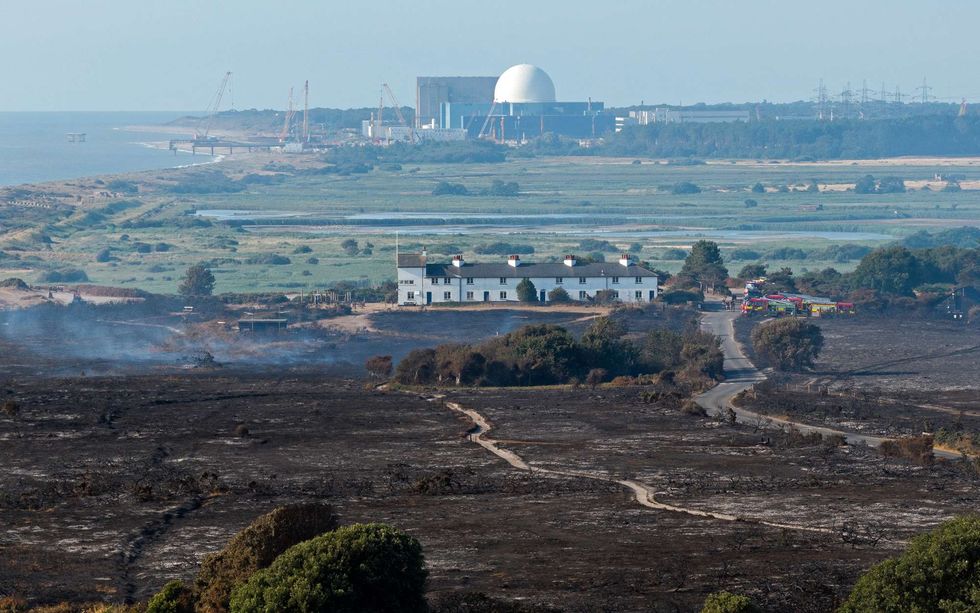 Scorched heathland in front of the Coastguard Cottages, with Sizewell B nuclear power station in the background Toby Shepheard/AFP via Getty Images
 A helicopter helps contain the blazeSuffolk County Council
 The heathland before it was devastated National Trust/Justin Minns