
- Windfall tax on generators to rise to 55 per cent during gas price spikes
- Energy bills could climb to £1,836.84 from July as global prices rise
- Legacy renewable projects face higher tax unless they shift to fixed-price deals
The UK government is tightening its grip on electricity pricing as rising gas costs threaten to push household bills higher again. Under new plans, power generators could face a steeper windfall tax unless they agree to fixed-price contracts, a move aimed at protecting consumers from volatile energy markets.
The proposal, centred on UK energy prices and windfall tax reforms, comes as the West Asia conflict drives up global gas costs. Officials appear to be trying to break a long-standing link in the system, where gas prices often end up dictating electricity costs, even when renewables generate a large share of power.
The Treasury is set to raise the windfall tax from 45 per cent to 55 per cent when wholesale gas prices surge. The idea is simple on paper. If generators benefit from higher market prices, a larger share of those gains will be redirected to support households.
But there is a condition. Operators of older renewable projects, often referred to as legacy assets, can avoid the higher tax rate if they switch to long-term fixed-price contracts. These contracts, similar to the contracts for difference already used for newer clean energy projects, guarantee a set price for electricity regardless of market swings.
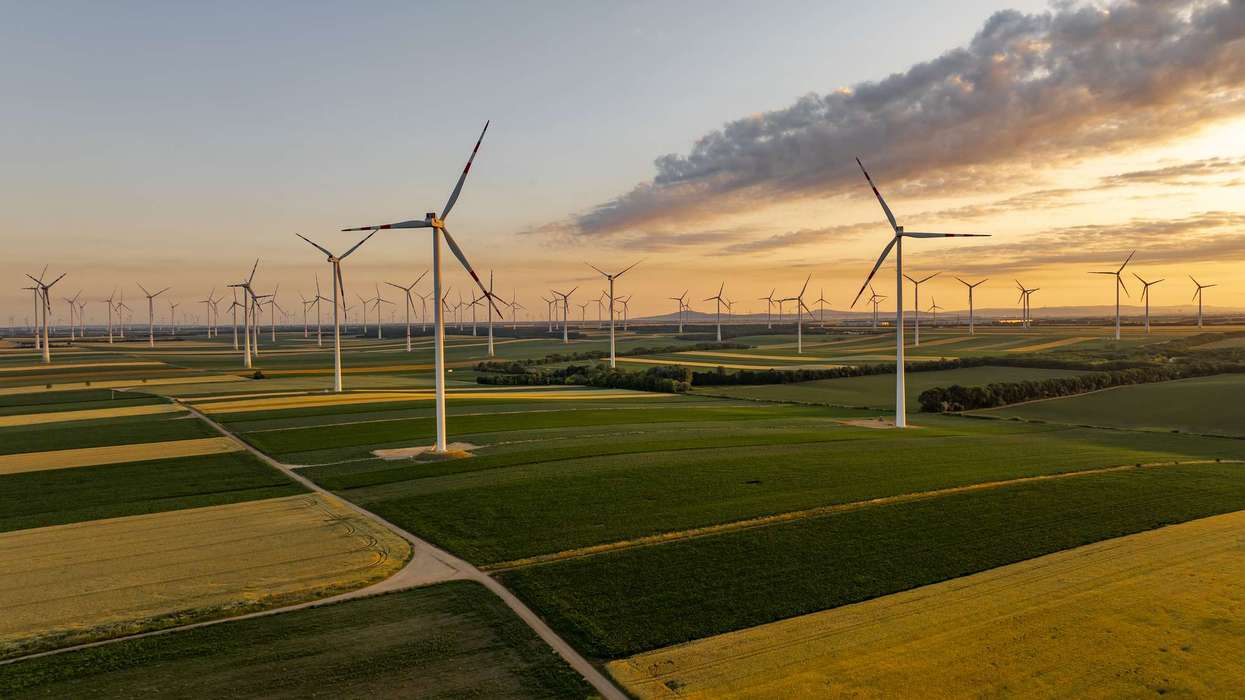
The broader aim is to reduce the influence of gas on electricity pricing. At present, gas sets the price in the UK power market around two-thirds of the time, even though renewables account for more than half of electricity generation. That imbalance has been a key reason why bills remain high during global energy shocks.
Prime Minister Keir Starmer said households should not bear the cost of global price spikes, adding that the focus is on easing pressure on bills while building a more stable domestic energy system, as quoted in a news report.
Bills rising, pressure building
The urgency behind the move is becoming clearer. Energy analysts at Cornwall Insight estimate that a typical dual fuel bill could rise to £1,836.84 from July, an increase of nearly £200 a year under the price cap mechanism.
Wholesale electricity prices have already climbed from about £74 per megawatt hour to over £100 in recent weeks. If high gas prices persist into winter, there are concerns that the pressure on both households and businesses could intensify further.
Chancellor Rachel Reeves said increasing the levy alongside expanding fixed-price contracts would help weaken the link between gas and electricity prices, reportedly said in remarks around the policy.
At the same time, the government is pushing ahead with clean energy investments, including heat pumps, solar panels and electric vehicles, in an effort to reduce reliance on fossil fuels over the long term. Energy Secretary Ed Miliband said the focus remains on accelerating the transition, stating that the shift towards clean energy security must now take priority, as quoted in a news report.
A system under strain
The UK remains particularly exposed to global energy swings because around 30 per cent of its electricity still comes from gas-fired power plants. These plants often set the market price, meaning even cheaper renewable energy ends up being sold at higher rates when gas prices spike.
This dynamic has allowed some generators, including those in renewables and nuclear, to benefit from higher market prices, unless they are already tied into fixed-price agreements. The new plan attempts to address that imbalance by pushing more producers into stable pricing structures.
Analysts have previously suggested that expanding fixed-price contracts across the sector could save between £4 billion and £10 billion annually if energy prices remain elevated. But whether generators will widely adopt these contracts, or absorb the higher tax instead, remains uncertain.
For now, the government’s approach signals a more direct intervention in the market. Whether it delivers lower bills or simply reshapes how costs are distributed is something that will likely become clearer over time.