
Skip to content
Search

Latest Stories

Submit Guest Post

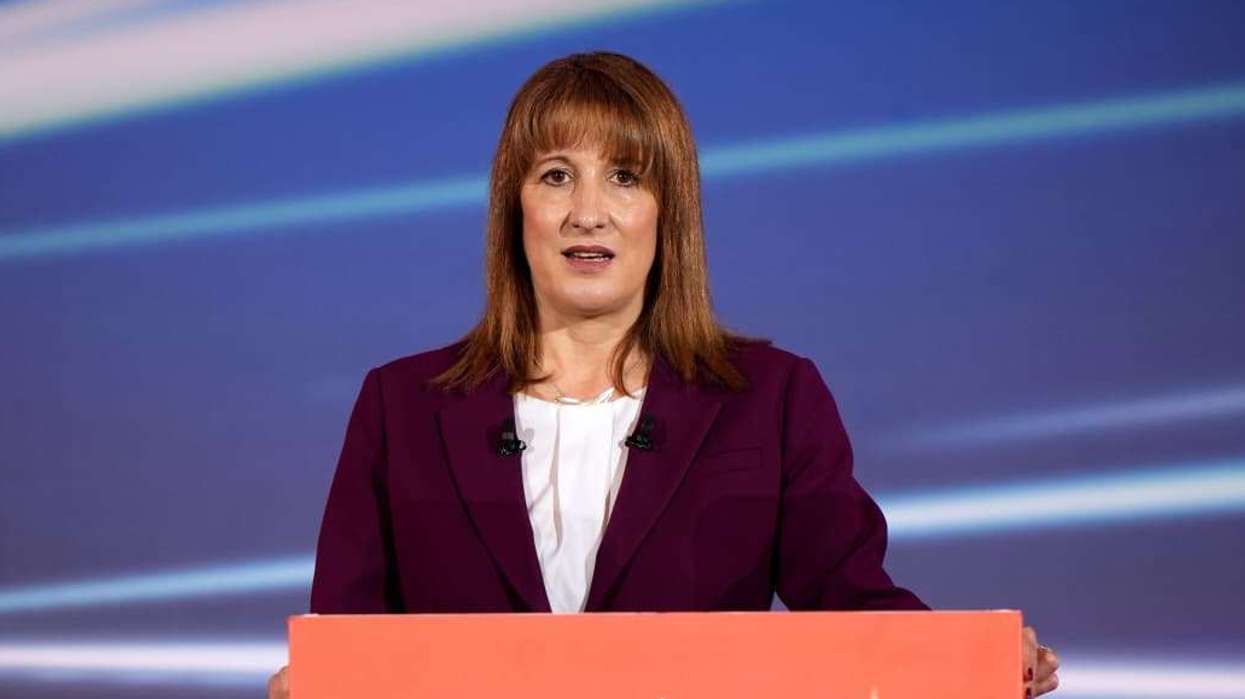
Energy bill support to depend on income levels, says Reeves

Household energy bills are expected to rise in July, and Reeves said in March that any support would be targeted.

Rachel Reeves

Reeves said gas usage would increase in the autumn, when Ofgem's current price cap for households in England, Scotland and Wales expires.

Getty Images

CHANCELLOR Rachel Reeves said on Wednesday that any government support to offset the increase in energy costs caused by the conflict in the Middle East would be based on household income.

Household energy bills are expected to rise in July, and Reeves said in March that any support would be targeted.


"We're looking at ways in which we can support people based on their household income," Reeves told the BBC, adding that it was too early to say who would get help.

In an interview with BBC Breakfast, she said: "I want to learn the lessons of the past because when Russia invaded Ukraine, the richest, the best-off third of households got more than a third of the support. That makes no sense at all."

Reeves said gas usage would increase in the autumn, when Ofgem's current price cap for households in England, Scotland and Wales expires.

The next price cap has not yet been announced but is expected to increase.

"From July to September, gas usage, especially by families and pensioners, is the lowest of any months of the year because it is the summer months," she said.

Add EasternEye As Your Trusted Source
preferred source on google news

More For You

UK immigration

The Home Office is considering expanding live facial recognition technology as part of its immigration enforcement programme

iStock

UK immigration crackdown: How facial recognition could change the way migrants are tracked

  • Migrants who have overstayed visas or entered the UK without permission could potentially be placed on facial recognition watchlists.
  • Proposed deployments include transport hubs and selected public events expected to attract large crowds.
  • Campaigners have raised concerns about racial bias, mass surveillance and a lack of independent oversight.

The UK government is preparing to expand the use of facial recognition technology to track undocumented migrants at transport hubs and public events, raising concerns about surveillance, racial bias and the rights of people who have not committed criminal offences.

New Home Office policy documents outline plans to use live facial recognition (LFR) cameras for general immigration enforcement, including civil immigration breaches such as overstaying a visa or entering the country without permission.

Keep ReadingShow less