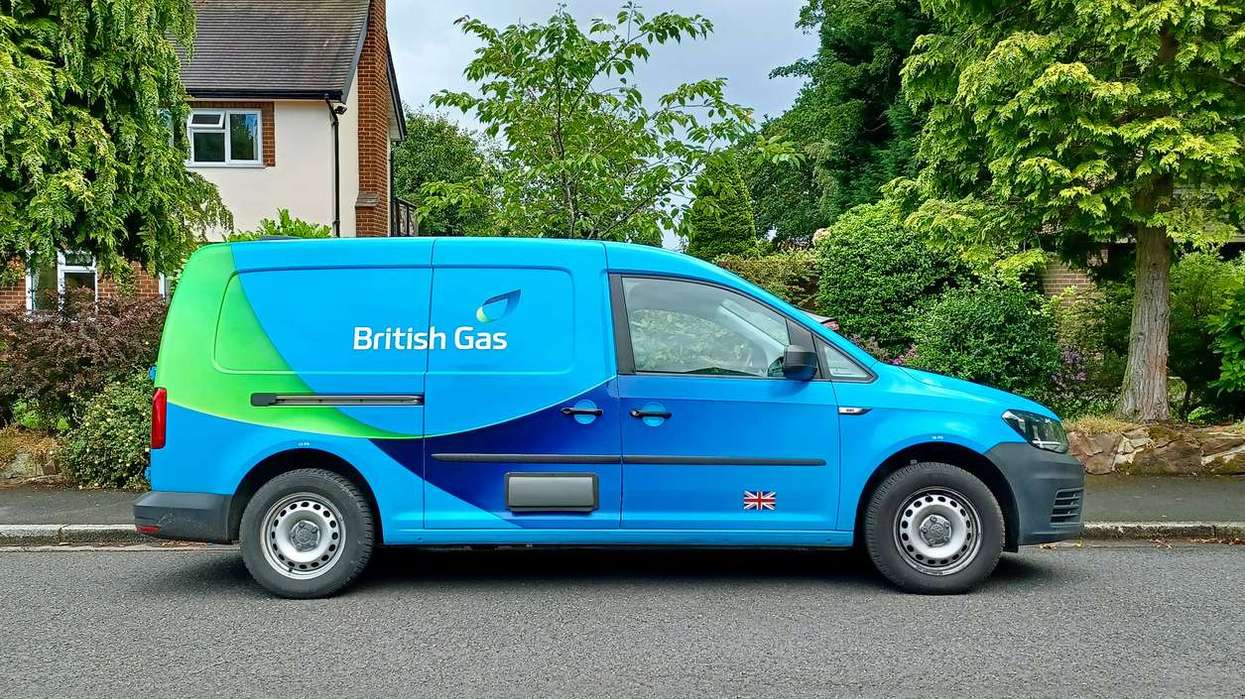

- The decision follows a record £112m settlement after British Gas was found to have breached protections for vulnerable customers.
- Suppliers must make at least 10 attempts to contact customers and carry out a welfare visit before installing a prepayment meter without consent.
- Households with certain vulnerable residents, including children under two and people over 75, remain protected from forced installations.
British Gas has been allowed to resume forcibly installing prepayment meters in the homes of customers who fall behind on energy bills, months after agreeing to a record £112m settlement over its treatment of vulnerable households.
Energy regulator Ofgem has lifted a restriction dating back almost four years, allowing the supplier to recover unpaid bills through involuntary prepayment meter installations under strict conditions.
The decision means British Gas agents could begin fitting the meters in customers' homes again from this winter, as households prepare for another period of high energy costs.
The move follows one of the UK's most controversial energy industry scandals, which emerged in 2023 after reports that debt agents working for British Gas had ignored signs of vulnerability while obtaining court warrants to install prepayment meters.
An investigation found that some customers with serious mental health conditions and physical disabilities had been affected.
In May, British Gas agreed to a settlement worth up to £112m following Ofgem's investigation into its treatment of customers between 2018 and 2023. The package included a £20m payment into the regulator's voluntary redress fund, customer compensation and debt relief.
The company acknowledged its responsibility for the failings and agreed to further measures to support vulnerable customers.
Why has Ofgem allowed British Gas to resume forced meter installations?
The restriction was introduced after the 2023 revelations triggered widespread criticism of energy suppliers' debt recovery practices.
Ofgem subsequently introduced tighter rules across the industry, allowing suppliers to resume some involuntary installations while maintaining protections for households considered particularly vulnerable.
The regulator said installing a prepayment meter under a warrant should remain a last resort, with rigorous checks to ensure that debt is recovered lawfully, proportionately and safely.
Under the rules, suppliers must make at least 10 attempts to contact a customer before installing a meter without consent. They must also carry out a welfare visit before proceeding.
Forced installations remain prohibited in homes where residents include people aged over 75, children under two, or individuals with serious health conditions or medical equipment that requires a continuous electricity supply.
Ofgem said it would continue monitoring suppliers and take action if it found that its rules were not being followed.
The regulator has also defended the use of smart pay-as-you-go meters where appropriate, saying they can help customers manage their energy consumption and spending.
How could the decision affect households struggling with energy bills?
The timing has raised concerns among fuel poverty campaigners, particularly as household energy debt is forecast to exceed £7bn and add more than £80 to the average household energy bill.
Simon Francis, coordinator of the End Fuel Poverty Coalition, criticised the decision, arguing that the industry and regulators risk repeating mistakes made during the previous energy crisis.
He said: “It's almost as if regulators and ministers are failing to remember the lessons of the last energy price spike.”
Francis also questioned whether the existing safeguards were being applied effectively, pointing to concerns about magistrates approving large batches of applications for forced installations and continuing weaknesses in the system.
British Gas defended the decision to resume debt recovery through prepayment meters, saying suppliers needed to distinguish between customers who genuinely could not afford their bills and those who were able to pay but did not engage.
The company said it wanted to engage with customers early, provide targeted support and agree flexible, affordable repayment arrangements wherever possible.
It added that involuntary prepayment meter installations would remain a last resort and would involve robust checks on vulnerability and affordability.
A government spokesperson said the decision was a regulatory matter for Ofgem but stressed that previous practices must not be repeated. The government would monitor the situation to ensure suppliers protected customers and followed the regulator's rules.
The return of forced installations comes as households continue to face pressure from energy costs and rising debt. For campaigners, the central concern is whether the safeguards introduced after the previous scandal will prevent vulnerable customers from being put at risk again.