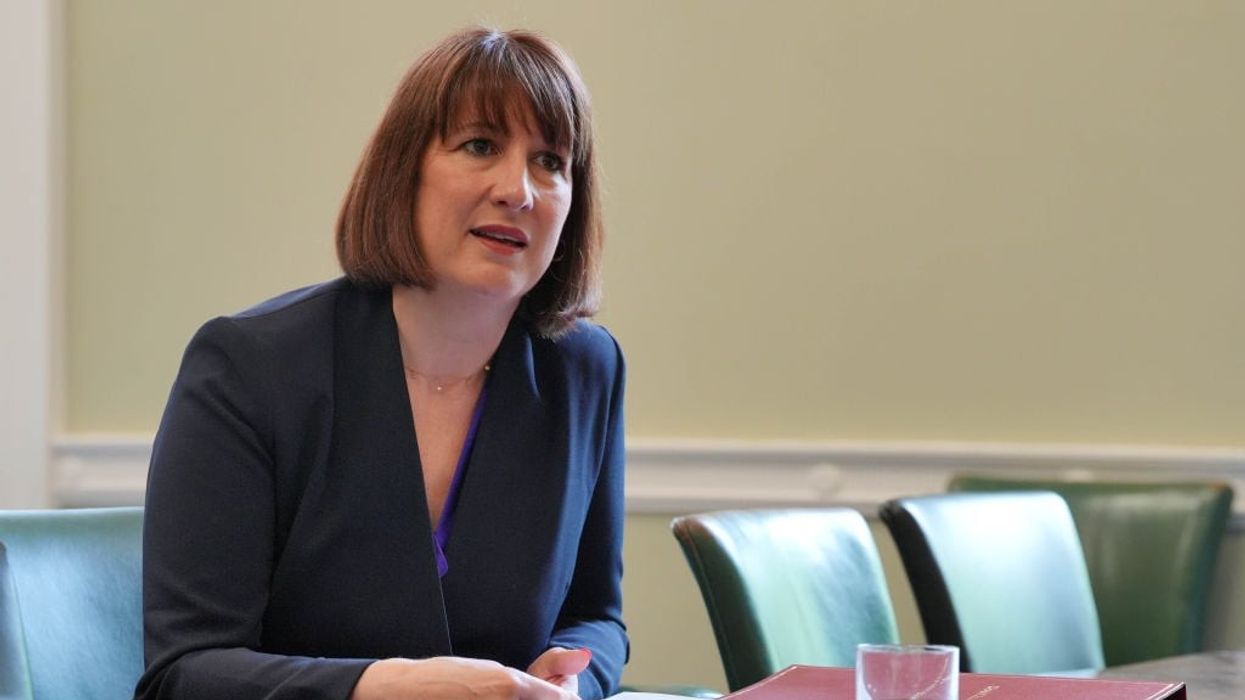

CHANCELLOR Rachel Reeves said on Friday that the UK’s welfare system is "costing too much" and must be reformed as the government faces financial pressures from high inflation and borrowing.
Reeves is expected to announce welfare spending cuts worth billions of pounds in the Labour government's Spring Statement on March 26. The statement will be a follow-up to her first budget last October, according to reports this week.
Economic challenges, including global uncertainty over US tariffs and the war in Ukraine, have affected the UK's finances, reducing the Labour government's £9.9 billion fiscal cushion.
"We've got to reform our welfare system, because at the moment, it's letting down taxpayers because it's costing too much," Reeves said on Sky News' Electoral Dysfunction podcast.
She added that the system is "letting down our economy" and leaves people "trapped on benefits, rather than actively supported back into work."
"We need to get better value for money for what taxpayers put in," she said.
The Financial Times reported on Friday that the Treasury is considering cutting funding for GB Energy, Labour's green energy infrastructure project, to reduce costs. The initiative was launched after the party's general election victory last July.
The government had allocated £8.3 bn over five years as part of prime minister Keir Starmer’s plan to meet Britain’s climate targets.
"We are fully committed to GB Energy, which is at the heart of our mission to make Britain a clean energy superpower and to ensure homes are cheaper and cleaner to run," a government spokesperson told AFP in response to the FT report.
Reeves faces challenges in meeting her own fiscal rules, which prevent borrowing for day-to-day spending. The rules are aimed at maintaining financial market confidence in government spending plans.
While cutting costs, Starmer last week pledged to increase UK defence spending to 2.5 per cent of GDP by 2027. The decision comes amid concerns over the United States’ commitment to Ukraine and NATO.
(With inputs from AFP)