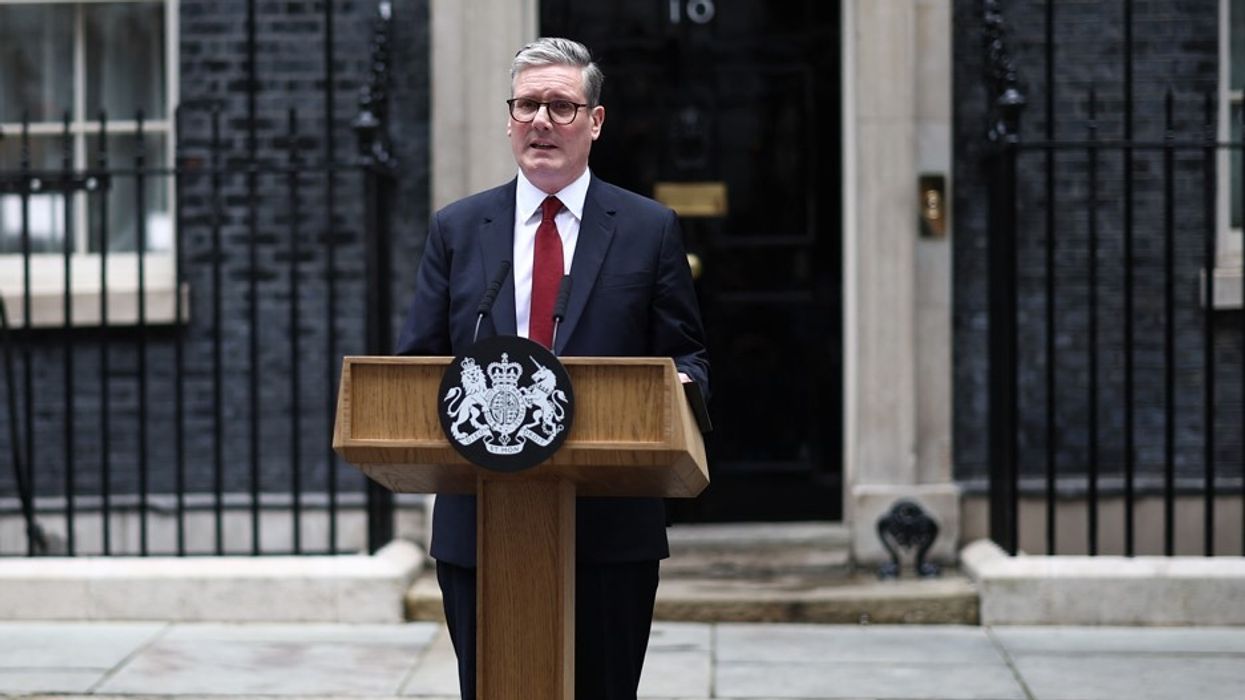

KEIR STARMER is facing growing pressure as the government prepares to announce changes to the welfare system this week.
Work and pensions secretary Liz Kendall is set to outline cost-cutting reforms on Tuesday, focusing on reducing spending and encouraging more people into work.
Ministers are considering tightening eligibility for Personal Independence Payments (PIP), a key disability benefit, but there will be no freeze on payments in line with inflation, according to the BBC.
More than 3.6 million people receive PIP, which helps cover extra costs for those with disabilities or long-term health conditions.
Labour MPs have expressed unease over the proposed changes, with some voicing opposition. One MP told the BBC that freezing PIP would be "unforgivable," adding, "Some people have very complex disabilities. Part of the social contract is they are supported." Another MP said: "Most of us broadly agree that there are lots of people who don't work but should... But punishing those who are especially vulnerable and have severe disabilities is unacceptable."
Backbenchers have also raised concerns about communication from ministers. Some MPs told the PA news agency that government "engagement sessions" felt like a "tick box exercise," while others said they would vote against certain proposals.
The reforms are linked to the upcoming Spring Statement on March 26, with chancellor Rachel Reeves needing to find savings after rising borrowing costs eliminated the government’s £9.9 billion fiscal buffer. Some MPs believe Labour should reconsider its borrowing rules or raise taxes instead of cutting spending.
The Office for Budget Responsibility projects that total spending on health and disability benefits will rise from £64.7bn in 2023-24 to £100.7bn by 2029-30. PIP spending alone is expected to nearly double to £34bn.
Health secretary Wes Streeting said there was "overdiagnosis" of mental health conditions but emphasised that too many people were "being written off." Mental health charity Mind warned against stigmatising diagnoses.
Shadow Education Secretary Laura Trott accused the government of being "all over the place" on welfare reform.
The SNP has urged Starmer to scrap "cuts to disabled people," with Westminster leader Stephen Flynn criticising Labour’s spending rules.
Citizens Advice chief Dame Clare Moriarty said the government was taking the "quick and easy lever" by cutting funds instead of ensuring proper support for people entering work.
Greater Manchester mayor Andy Burnham wrote in The Times that while reform was needed, benefit cuts would "trap too many people in poverty."

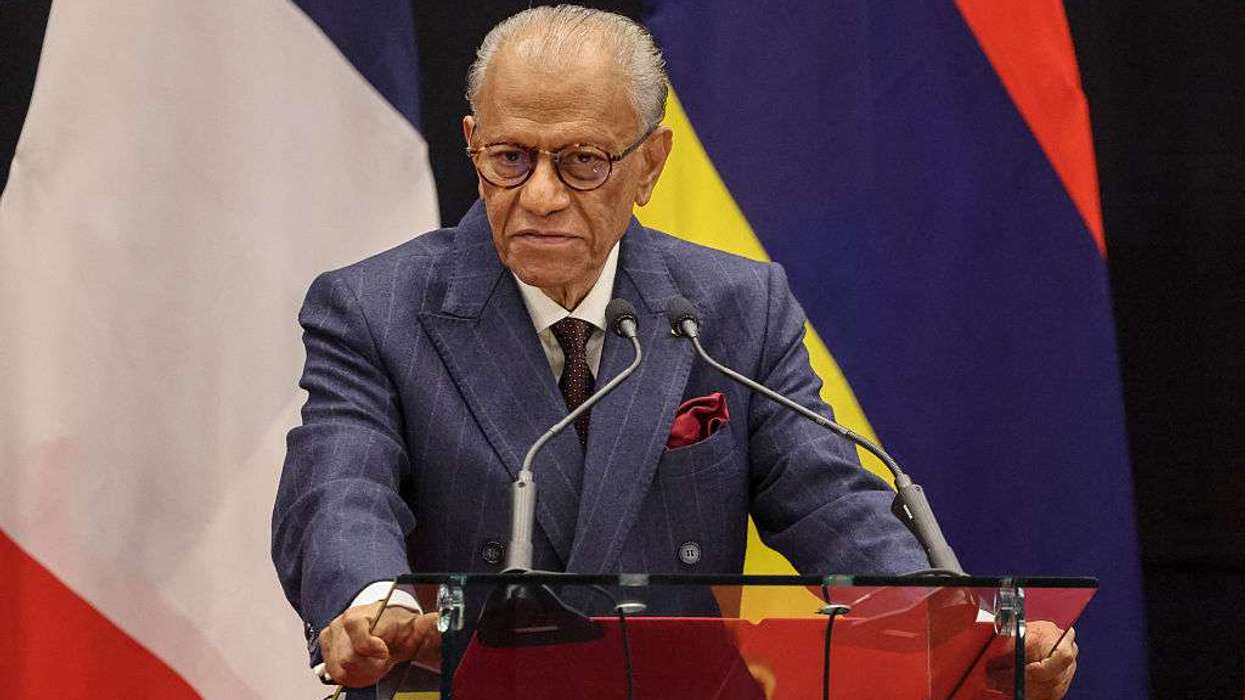




 All India Students Association president Neha Bora, wearing a black shirt, takes part in a march during a protest on October 11, 2026 in New Delhi,.Getty
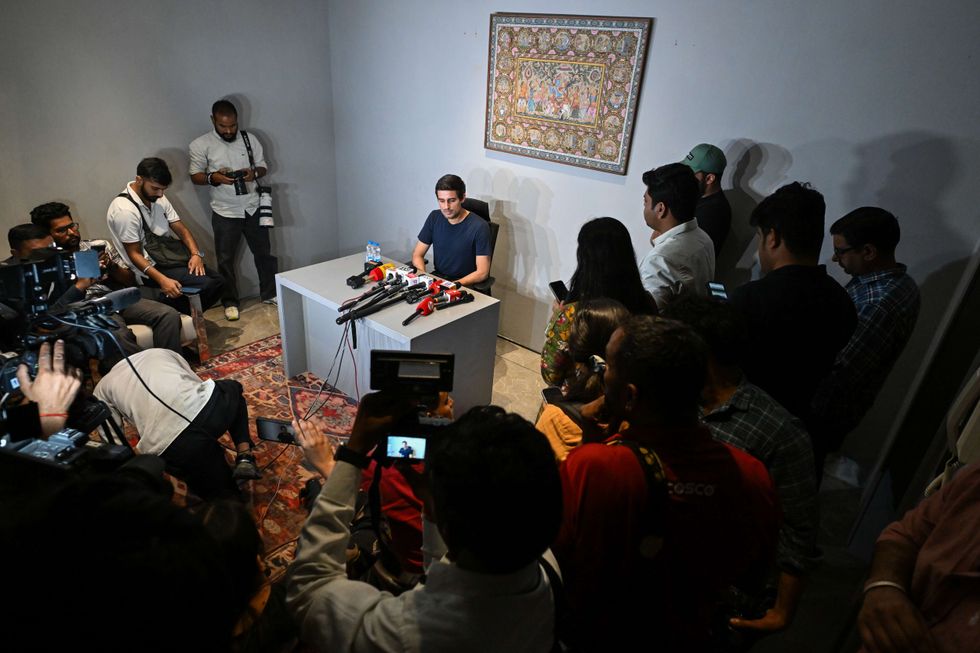 Youtuber Dhruv Rathee speaks during a press conference following his release from police detention on October 11, 2026 in New Delhi.Getty
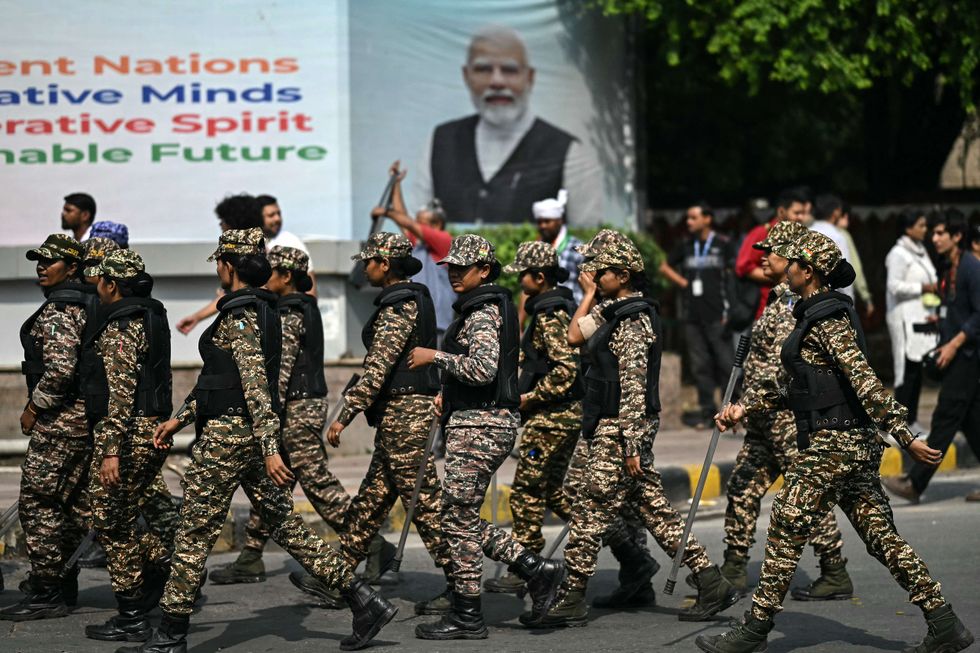 Security personnel walk past a portrait of Narendra Modi during a protest by the Congress party supporters demanding the resignation of India's Chief Election Commissioner Gyanesh Kumar.Getty