
- UK retail sales rose 1 per cent in June, defying expectations of a decline.
- Online shopping reached its highest share of retail spending since spring 2021.
- Warm weather boosted demand for clothing, outdoor products and cooling appliances.
A spell of hot weather and football fever gave UK retailers a stronger-than-expected June, with shoppers spending more online and snapping up everything from summer clothing to cooling products.
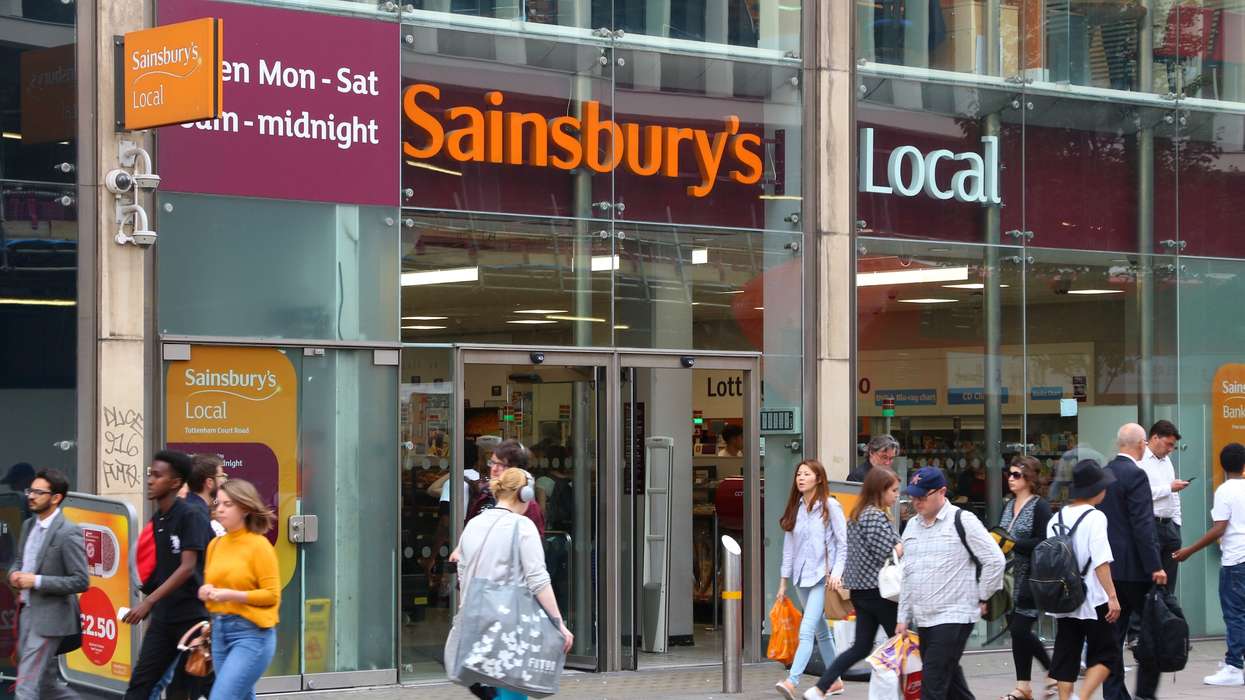
According to the Office for National Statistics (ONS), UK retail sales rose 1 per cent in June compared with May, comfortably beating economists' expectations of a 0.3 per cent decline. Compared with June last year, sales increased 4.2 per cent, almost double the 2.3 per cent growth analysts had forecast.
The stronger performance was driven by a combination of heatwave conditions, promotional offers and spending linked to the World Cup, helping retailers recover after a weaker start to the spring.
Sunshine sent shoppers online
One of the biggest winners was the online retail sector. Non-store retailers, which mainly operate online, recorded a 4.4 per cent monthly increase in sales, following a 6.1 per cent rise in May.
The ONS said online shopping accounted for its largest share of total retail spending since spring 2021, when Covid-19 restrictions were being lifted.
Hannah Finselbach, senior statistician at the ONS, reportedly said internet retailers performed particularly well during June, pushing online sales to their highest share of retail spending in more than five years, as quoted in a news report.
Clothing and footwear retailers also benefited from the warmer weather, with sales increasing 1.9 per cent from May, marking the strongest monthly rise since September. Other non-food retailers, including computer and telecommunications stores, also reported stronger demand.
Not every part of the retail sector enjoyed the same success. Department store sales fell 1.7 per cent after a strong May, while household goods retailers recorded a 0.6 per cent monthly decline.
Despite the mixed picture, overall retail sales rose 0.6 per cent in the three months to the end of June compared with the previous quarter, following a revised 0.7 per cent fall in April.
Can retailers keep the momentum going?
Retail analysts say June's figures highlight how quickly consumer spending can respond to seasonal events, but they caution that the boost may prove temporary.
Samuel Edwards, head of client portfolio management at Ebury, reportedly said warm weather, promotional campaigns and World Cup excitement had combined to lift retail sales beyond expectations. However, he warned that higher energy bills, persistently high interest rates and inflationary pressures linked to renewed tensions in the Middle East could weigh on consumer confidence in the months ahead, as quoted in a news report.
Melissa Minkow, global director of retail strategy at CI&T, reportedly said June's performance was largely driven by favourable weather, adding that July's retail figures would provide a clearer indication of whether the government's cost-of-living measures translate into stronger consumer spending, as quoted in a news report.
For retailers, June offered a welcome boost after a mixed first half of the year. Whether that momentum continues may depend less on sunshine and sporting events, and more on how confident consumers feel about spending in the months ahead.