
Highlights
- UK footfall fell 1.8 per cent in September year-on-year, with high street visits down 2.5 per cent.
- Consumer confidence dropped to -10.4 per cent in Q2 2025, its lowest level since early 2024.
- Last year's Budget added £5bn in employment costs to the retail industry.
- Job security sentiment declined by 4.8 percentage points, falling below the long-term average.
Footfall figures decline
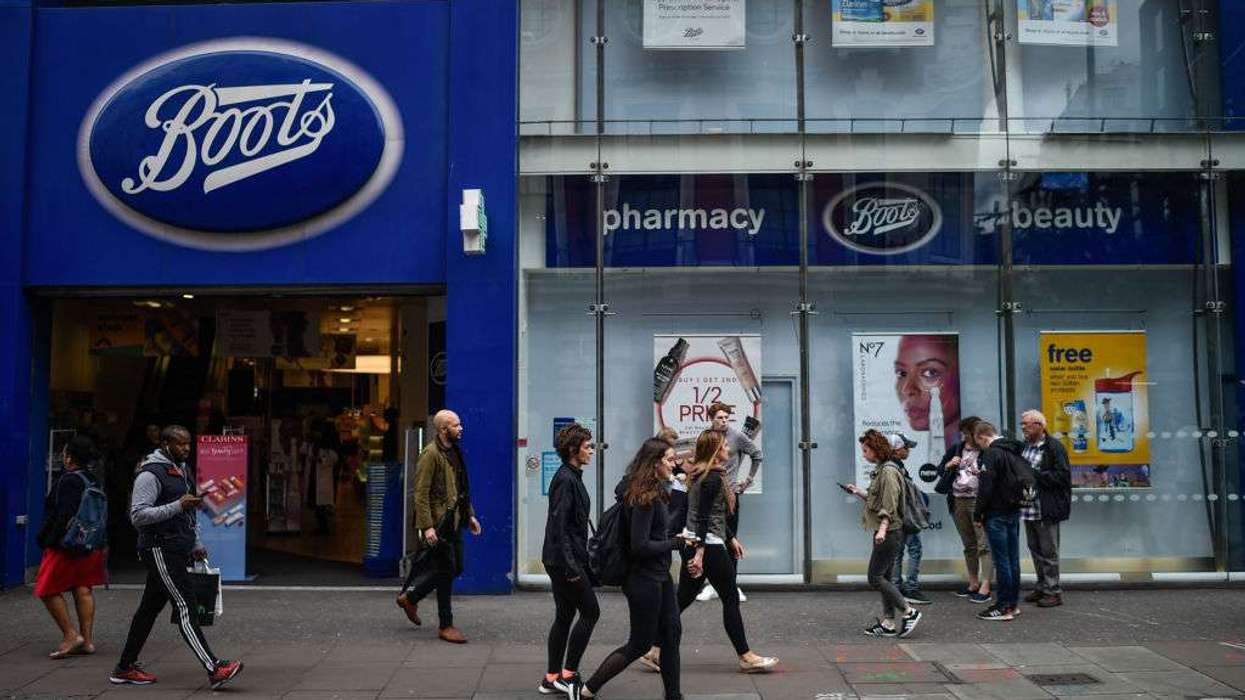
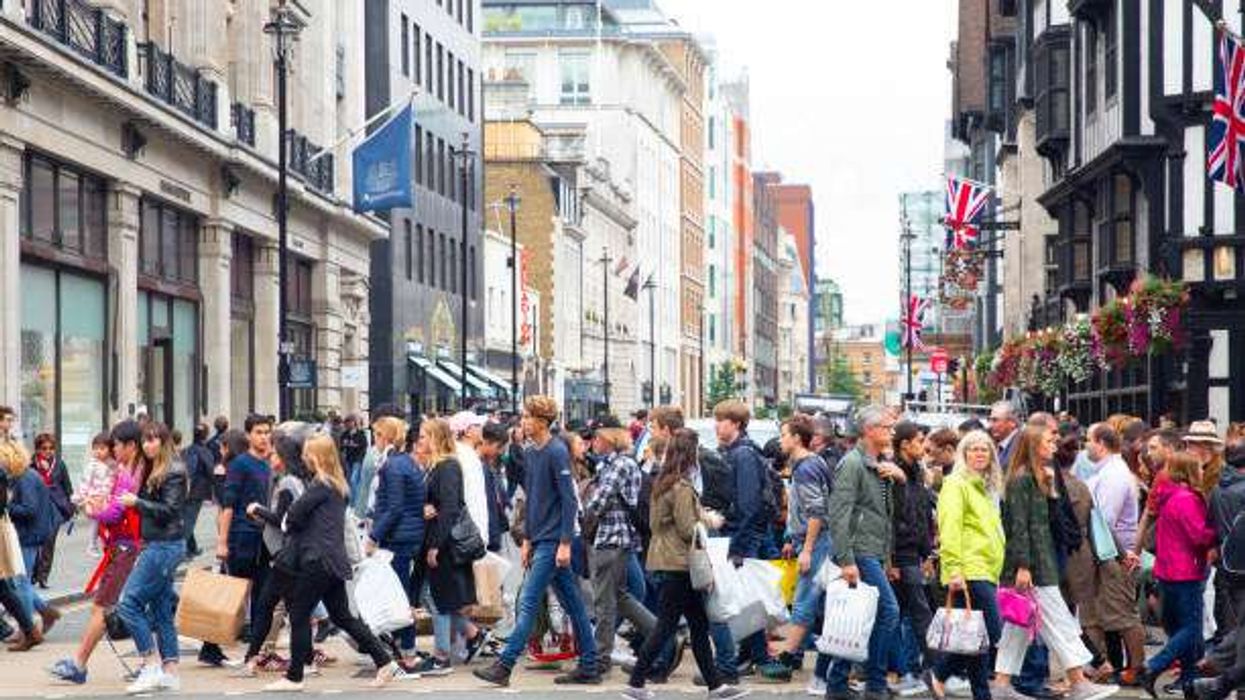
Consumer caution ahead of the upcoming budget has led to a notable fall in UK high street footfall, as rising employment costs and subdued spending weigh heavily on retailers, according to new figures from the British Retail Consortium (BRC).
The BRC reported a slowdown in shopper visits across most retail locations, signalling growing concern among consumers over job security and personal debt.
London tube strikes in mid – month and disruption caused by storm Amy, has further reduced footfall in key shopping areas.UK footfall fell by 1.8 per cent in September compared with the same month last year, a sharper decline than the 0.4 per cent drop seen in August, according to BRC-Sensormatic data. High street visits were down 2.5 per cent year on year, while footfall at retail parks and shopping centres fell by 0.8year and 2 per cent respectively.
The decline comes as retailers brace for another challenging quarter, with chief executive Helen Dickinson warning that the government’s fiscal decisions are limiting their ability to invest. “Retailers’ ability to invest in local communities and high streets has been hampered by last year’s Budget, which added £5 bn in employment costs to the industry, in addition to a new packaging tax,” she said.
Consumer confidence weakens
Parallel data from Deloitte’s Consumer Confidence Index reinforces this cautious outlook. Consumer confidence fell by -2.6 percentage points to -10.4 per cent in Q2 2025, marking its lowest level since early 2024.
Sentiment around job security declined sharply by -4.8 percentage points, slipping below the long-term average for the first time in two years, while confidence regarding debt levels dropped by -3.7 percentage points, reflecting the burden of higher household bills and seasonal spending pressures.
Deloitte noted that sentiment about the economy remains deeply negative at -51per cent, far below the -32.5 per cent recorded a year ago. As households tighten budgets, essential spending has slipped, though consumers continue to prioritise discretionary experiences such as travel and holidays.
Linda Ellett, head of consumer, retail & leisure KPMG, observed that “cost continues to influence buying behaviour and price is the main purchasing driver for 68 per cent of people when buying everyday items.”
With food and utility inflation still biting, and employers under strain from higher national insurance and minimum wage costs, retailers are caught in a tightening squeeze. Retailers are now pinning hopes on a supportive November Budget to ease cost pressures and restore some confidence before the crucial Christmas trading period.