
Highlights
- Technical fault stopped trains communicating with control centres for two hours.
- Workers lost wages and students missed classes during peak exam season.
- Passengers offered refunds and alternative transport after widespread cancellations.
The radio system failed at 08:53 BST, meaning train drivers could not speak to the people controlling the tracks. This safety-critical communication system is essential for running trains, forcing operators to halt or cancel services immediately.
Eight different train companies had to cancel services or run them late. South Western Railway, CrossCountry, Southern, Gatwick Express, London Overground, Great Western Railway and Thameslink all faced major problems during the busy morning rush.
National Rail fixed the problem by 11:00, but the knock-on effects lasted all day. Some trains were delayed by up to 90 minutes. Others were cancelled completely.
Railway officials warned that major disruption would continue until the end of the day as services slowly got back to normal.
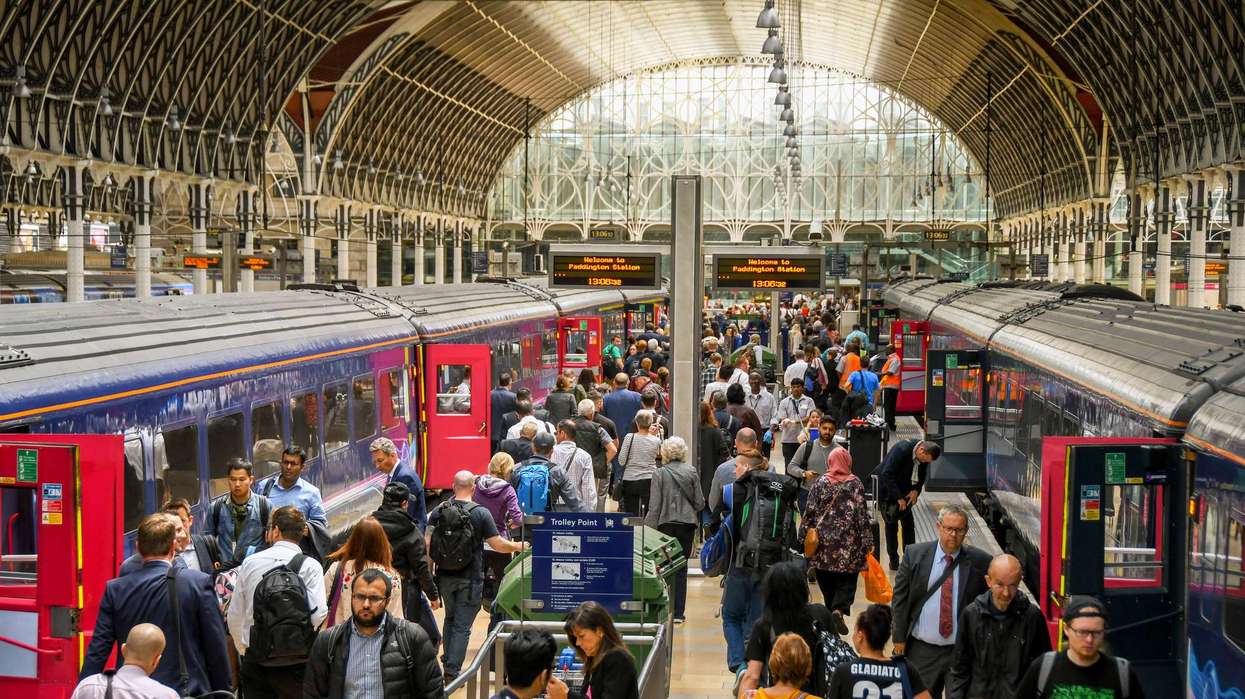
London Victoria station saw the worst problems, with huge queues building up at the major hub. The station became "extremely busy" according to Transport for London, made worse by a separate fault on the Jubilee line.
South Western Railway warned passengers that trains might stop at stations without warning. Platform numbers kept changing at the last minute, adding to the confusion.
Services between Brighton and Portsmouth saw heavy delays. The route to Southampton also faced cancellations throughout the morning and afternoon.
People miss work and college
By 5pm, Southern, Thameslink and Gatwick Express were running normally again. London Overground had already recovered by midday.
But South Western Railway, CrossCountry and Great Western Railway still had problems into the evening rush hour.Gemma Givans, who works as a tattooist, could not get to her client. "If I don't work, I don't get paid," the 28-year-old told BBC.
She added that train problems lately were "really inconvenient" and hurting her income.
Student Caleb Anderson, 18, missed hours of college in Winchester. With his A-Level exams starting soon, he called it "stressful".
Paul Barrick planned a 30-mile walk along the Isle of Wight coast but missed his ferry from Portsmouth. The 50-year-old said there were "a lot of inconvenience and disgruntled passengers".
Rail companies let people use their tickets the next day or travel on other routes for free. Passengers can check if they can get money back for the delays.