
- Up to 25 per cent cut in electricity costs for over 10,000 manufacturers
- Relief worth £600 million annually from April 2027
- Industry warns delay could strain firms facing immediate cost pressures
The UK government is planning to cut electricity bills for thousands of manufacturers, a move that could reshape cost structures across the sector — though the real impact may take time to show.
Chancellor Rachel Reeves has confirmed that more than 10,000 businesses will see their power costs reduced by up to 25 per cent under an expanded British Industrial Competitiveness Scheme. The policy targets one of the biggest concerns in UK manufacturing: high electricity prices, which have long been higher than in many competing economies.
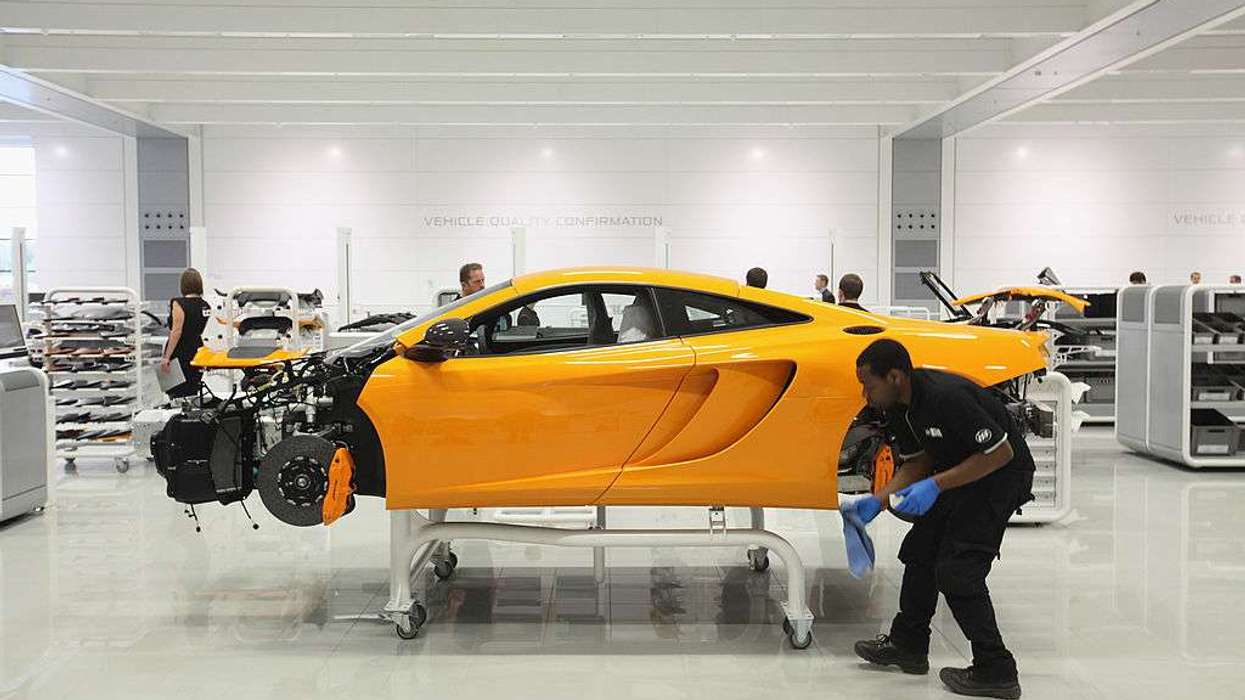
For manufacturers, energy is not just another overhead. It often sits at the centre of production costs, especially for industries like steel, automotive, and chemicals. Any reduction, even gradual, could change how firms price their products, plan investments, and compete globally.
A cost reset but on a delay
The scheme will remove several legacy green levies from electricity bills, delivering savings estimated at £35 to £40 per megawatt hour. In total, the relief could reach up to £600 million per year once fully in place from April 2027.
Eligibility stretches across a wide mix of industries, from large-scale factories to smaller supply chain businesses. Support will depend on how much electricity is used directly in production, with higher usage unlocking greater discounts.
There is also a one-off backdated payment planned for 2027, aimed at covering what firms would have saved had the scheme started earlier. For some manufacturers, this could soften the financial pressure — but only retrospectively.
The bigger question is timing. Many businesses are dealing with rising costs now, not in 2027. Stephen Phipson, chief executive of Make UK, reportedly said manufacturers were already facing sharp increases in energy bills and could not afford to wait that long.
What it could change for industry
If delivered as planned, the scheme could alter the competitive landscape for UK manufacturing. Lower energy costs may make domestic production more viable, particularly in energy-intensive sectors that have struggled against international rivals.
Business groups have cautiously welcomed the move. Rain Newton-Smith of the CBI reportedly said it showed the government was responding to concerns over volatile global energy markets, though she indicated further reforms would still be needed.
For sectors like automotive, the response has been more positive. Mike Hawes of the Society of Motor Manufacturers and Traders reportedly described the scheme as a strong signal for investment, suggesting it could help position the UK as a more attractive manufacturing base.
At the same time, the wider context remains uncertain. Global energy markets have been unsettled by geopolitical tensions, and borrowing costs for businesses remain elevated. These factors continue to shape how manufacturers plan ahead.
The government argues that the scheme, alongside earlier support such as the £420 million energy discount programme introduced on April 1, represents a significant intervention in industrial energy pricing.
Still, questions remain over whether the changes will arrive in time to make a difference for firms already under pressure. The UK manufacturing sector supports around 2.6 million jobs, and industry leaders have warned that delays in cost relief could have wider consequences.
For now, the policy offers a direction of travel rather than an immediate solution. Whether it stabilises the sector or comes too late for some businesses may only become clear closer to 2027.