
The UK has launched a call for evidence to gather insights from experts and organisations on the potential racial and gender bias of medical devices to tackle disparities in healthcare, a statement said.
The call for evidence will be open for eight weeks and members of the public, patients and carers can share their views and insights.
It is part of an independent Review on Equity in Medical Devices led by Professor Dame Margaret Whitehead. With this, the government wants to understand how medical devices and technologies may be biased against patients of different ethnicities, genders and other socio-demographic groups.
The review aims to reduce the potential for medical devices to worsen existing healthcare disparities, ensuring people can receive the best possible care, regardless of their ethnicity or gender.
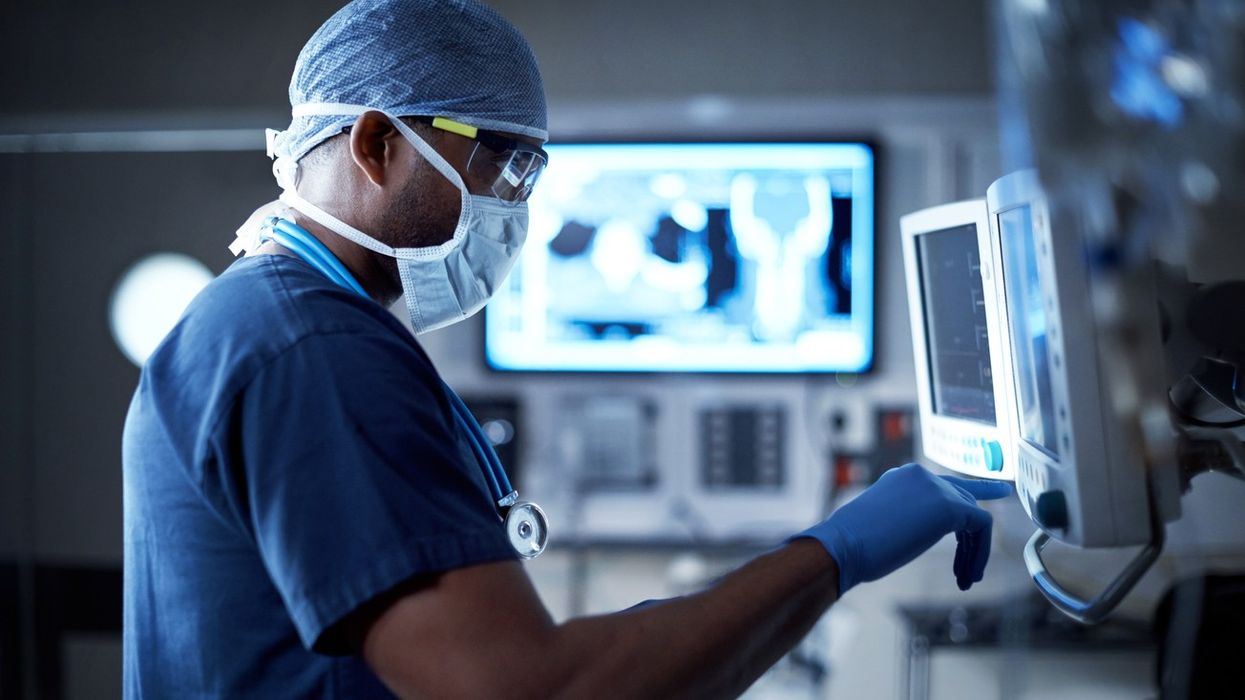
The government hopes to hear from those who work most closely with medical devices such as oxygen measuring devices and infrared scanners and related software and hardware including databases and instructions, the statement added.
“The independent review is part of our vital work to tackle healthcare inequalities, and I invite the industry to share their expertise in the call for evidence so we can ensure medical devices are free of any form of bias," said health minister Gillian Keegan.
Current UK regulations do not include provisions to ensure that medical devices are working equally well for different groups based on their social or demographic characteristics.
The independent review will cover different types of medical devices, including devices enabled by artificial intelligence (AI) used in diagnosing illness and determining therapy pathways, as well as risk-scoring systems using genomics to make decisions about personalised medicine.
Professor Whitehead said: “We aim to establish where and how potential ethnic and other unfair biases may arise in the design and use of medical devices, and what can be done to make improvements.
"We especially encourage health, technology and industry experts and researchers to share their views and any evidence concerning medical devices in order to help us tackle inequalities in healthcare."
Interim findings of the review are expected in winter 2022 and the report will be submitted by spring 2023.



