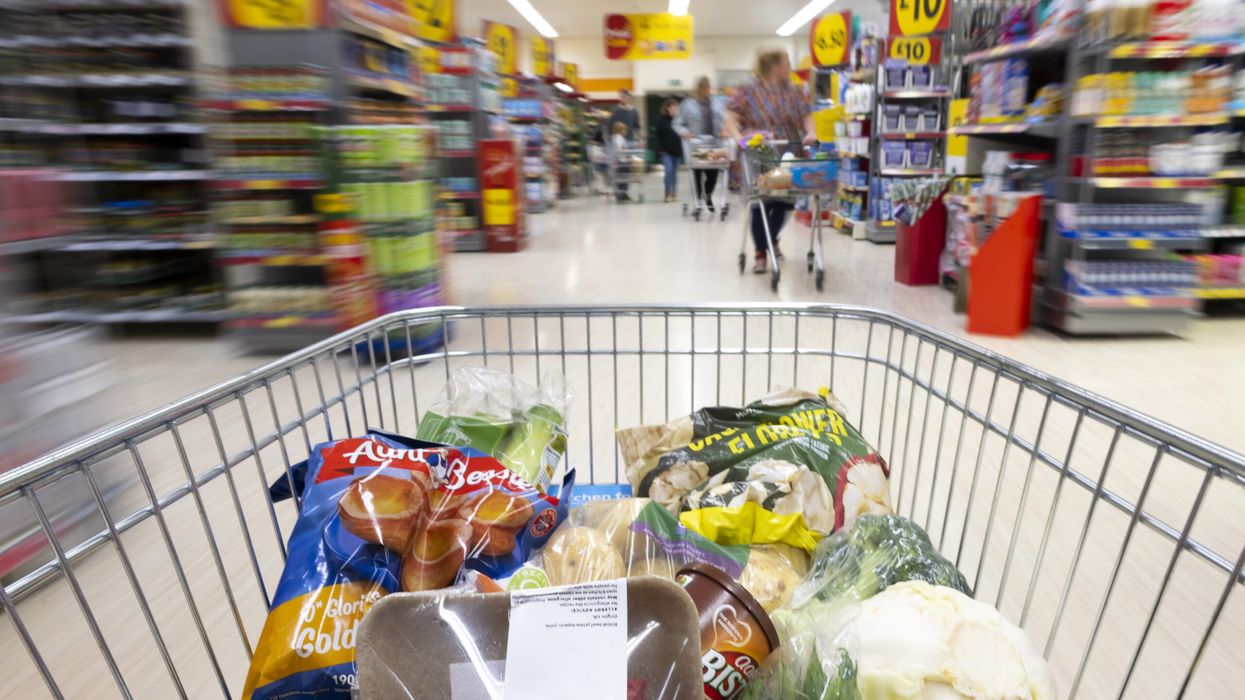

THE UK's annual inflation rate rose more than expected in January, official data showed on Wednesday, putting additional pressure on the Labour government as it deals with slow economic growth.
The Consumer Prices Index increased to 3.0 per cent in January from 2.5 per cent in December, according to the Office for National Statistics (ONS).
The increase is a challenge for the Keir Starmer government, which took office in July and is working to address both rising prices and sluggish economic growth.
"The rise was driven by air fares not falling as much as we usually see at this time of the year," said Grant Fitzner, chief ONS economist.
"After falling this time last year, the cost of food and non-alcoholic drinks increased, particularly meat, bread and cereals," he added.
Higher tuition fees at private schools, following new tax measures introduced in the government's first budget, also contributed to rising prices.
The inflation figure moves further away from the Bank of England's two per cent target but remains broadly in line with its forecasts for the year, analysts said.
The BoE cut its key rate earlier in February for the third time in six months, while signalling a "gradual and careful" approach to further rate reductions.
This approach was reinforced by data released a day earlier, showing an acceleration in UK wage growth.
"Getting more money in people's pockets is my number one mission," Chancellor Rachel Reeves said in response to the inflation data.
"That's why we're going further and faster to deliver economic growth," she added.
(With inputs from agencies)






Netanyahu faces backlash for calling Britain ‘Islamic Republic’