
- Connells estimates that around 100,000 fewer property transactions have taken place since the start of 2026 as buyers delay moving.
- Monthly repayments on a typical property with a 75 per cent loan-to-value mortgage have risen from £1,115 to £1,224 in a year.
- A further 2.3 million households are expected to come off fixed-rate mortgage deals in 2027, adding to pressure on household finances.
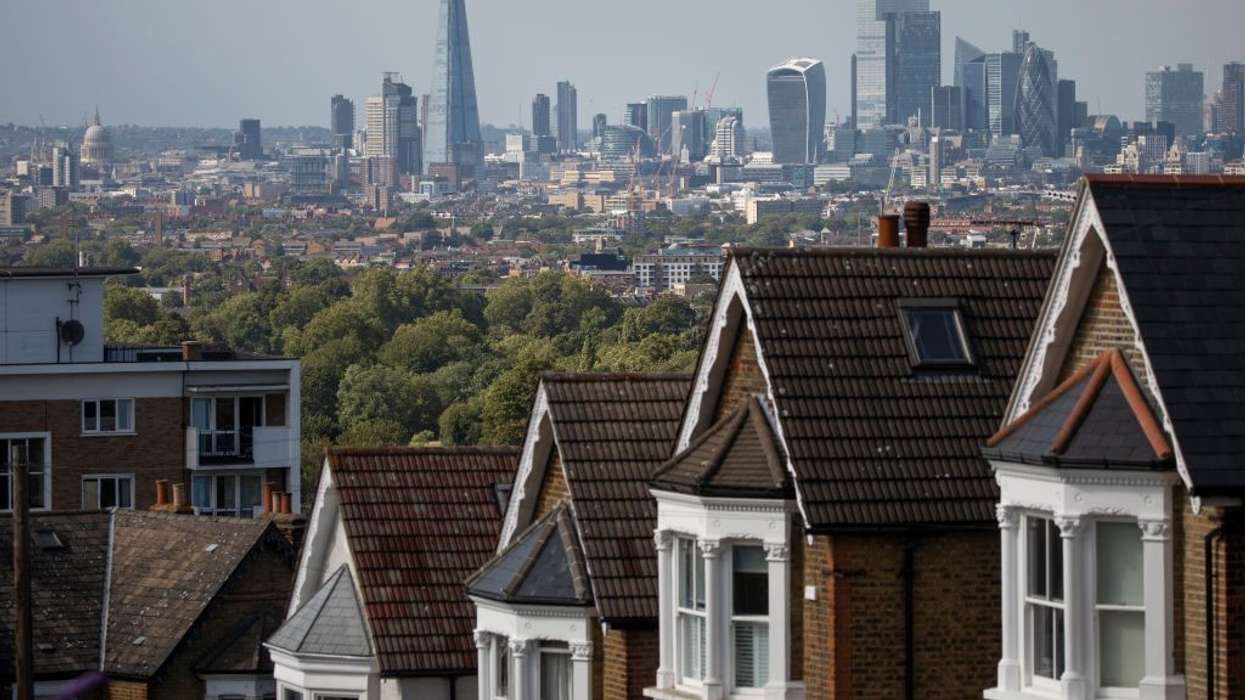
Britain's housing market is losing momentum as rising mortgage costs force thousands of prospective buyers to postpone property purchases, with an estimated 100,000 fewer transactions taking place since the start of the year.
Higher borrowing costs, fuelled by inflation concerns following the conflict in the Middle East, have unsettled buyers and made moving more expensive. Estate agency group Connells said the increase in mortgage repayments had particularly affected people looking to relocate or move into larger properties.
Monthly repayments on a typical home purchased with a 75 per cent loan-to-value mortgage have increased from £1,115 in October 2025 to £1,224 in October 2026.
Average mortgage rates have also climbed from 4.14 per cent in January to 5.22 per cent in October, according to figures cited by Connells.
Nicholas Mendes of mortgage broker John Charcol said the year had started with renewed optimism after a difficult 2025, but the conflict in Iran had quickly changed the outlook.
"Plenty have put plans to move on hold. Moves that were a choice rather than a necessity, such as trading up or relocating, have been the first to be delayed," he said.
Tom Bill of estate agency Knight Frank said the impact of higher borrowing costs was becoming increasingly visible, with mortgage approvals down by almost a fifth compared with the previous year.
He warned that asking prices would need to reflect the tougher financial conditions facing buyers.
Why are UK homebuyers delaying property purchases?
The rise in mortgage rates has coincided with a broader squeeze on household finances, making buyers more cautious about taking on larger financial commitments.
Connells said uncertainty surrounding the next general election could further weaken demand, as discretionary buyers consider delaying purchases until there is greater clarity over the political and tax environment.
The proposed high-value property surcharge, commonly referred to as the mansion tax, has already influenced some transactions. Sellers of properties close to the £2m threshold have reportedly been forced to accept lower offers as buyers factor in the additional tax, which is due to come into effect in 2028.
London and southern England are particularly exposed because of their higher property values.
The wider economic outlook is also adding to concerns. The Office for Budget Responsibility has warned that household disposable incomes could fall by 0.6 per cent next year after accounting for inflation, reversing its earlier forecast of 0.6 per cent growth.
Higher energy bills are expected to add to the pressure, with forecasts suggesting the Ofgem price cap could rise by more than £400 in January.
How many households face higher mortgage payments in 2027?
The pressure extends beyond prospective buyers. More than 2.3 million UK households are expected to reach the end of their fixed-rate mortgage deals in 2027, according to UK Finance.
Around 700,000 borrowers were already expected to refinance between July and December 2026, with many facing a significant increase in monthly payments when they move onto new deals.
The Bank of England's base rate has remained at 3.75 per cent since December 2025. However, financial markets are widely expecting the Monetary Policy Committee to raise it to 4 per cent at its November 5 meeting, following an increase in inflation to 3.5 per cent in September from 3.1 per cent in August.
Markets have priced in between four and five quarter-point increases by December 2027, although some City economists believe two rises are more likely.
The prospect of further increases has already affected fixed-rate mortgage pricing, as volatility in bond markets pushes up the swap rates used by lenders to price their products.
The Government's recent decision to double the banking surcharge from 3 per cent to 6 per cent for 15 months from January has also raised concerns. Lloyds has warned that the additional tax could push mortgage costs higher.
When could the UK housing market recover?
Despite the slowdown, Connells expects property transactions to stabilise and gradually recover as buyers adjust to higher borrowing costs and some postponed purchases return to the market.
Aneisha Beveridge of Connells said the expected increase in home moves had not materialised this year, but the refinancing pressure could begin to ease by the middle of 2027.
By then, the final wave of households that took out cheaper five-year fixed-rate mortgages before borrowing costs began rising will have moved onto new deals.
Although higher repayments will continue to stretch household budgets, Beveridge said the refinancing shock weighing on market activity should start to fade.
Connells forecasts around 1.1 million property completions in 2027, broadly unchanged from its estimate for 2026, before the figure rises to 1.2 million in 2028.
Recent mortgage rate reductions by major lenders, including HSBC and Barclays, could also help bring some buyers back into the market.
However, the recovery will depend heavily on inflation, the direction of interest rates and whether households regain confidence in their ability to afford larger financial commitments.