
- Annual house price growth fell to 0.5 per cent in October, its weakest pace since January 2024
- The average UK property price stood at £273,566, unchanged from September
- Average five-year fixed mortgage rates reached 5.99 per cent as markets anticipated a possible interest rate increase
UK house price growth slowed to its weakest level in more than two years in October as rising mortgage costs and expectations of higher interest rates put pressure on the property market.
Annual property price growth eased to 0.5 per cent, down from 0.8 per cent in September, according to mortgage lender Nationwide. The latest figure was also below the 0.6 per cent growth forecast by economists in a Reuters poll.
The average UK house price stood at £273,566 in October, unchanged from the previous month. September's monthly figure was revised to a 0.3 per cent decline, compared with the previously reported fall of 0.1 per cent.
The slowdown reflects growing affordability pressures as fixed-rate mortgage costs rise. Average five-year fixed mortgage rates reached 5.99 per cent on Thursday (29), while two-year deals averaged 5.97 per cent, according to financial information provider Moneyfacts.
The increase has come despite the Bank of England keeping its base rate unchanged at 3.75 per cent since December. Volatility in financial markets has pushed up swap rates, which influence the pricing of fixed-rate mortgages.
Expectations are also growing that the Bank's Monetary Policy Committee could raise interest rates to 4 per cent next week, which would be its first increase in three years.
Robert Gardner, Nationwide's chief economist, said geopolitical tensions and the conflict in the Middle East had pushed up energy prices and renewed concerns about inflation.
“This in turn has led to mounting financial market expectations of Bank Rate increases,” he said.
Gardner added that other indicators pointed to further weakness in the housing market, with surveyors reporting subdued buyer enquiries and consumer confidence declining in October.
Will UK house prices fall further?
The outlook for property prices remains uncertain as households contend with higher borrowing costs and weaker confidence in the economy.
Tom Bill, head of UK residential research at Knight Frank, said the impact of rising mortgage costs outweighed the support measures announced in the Budget.
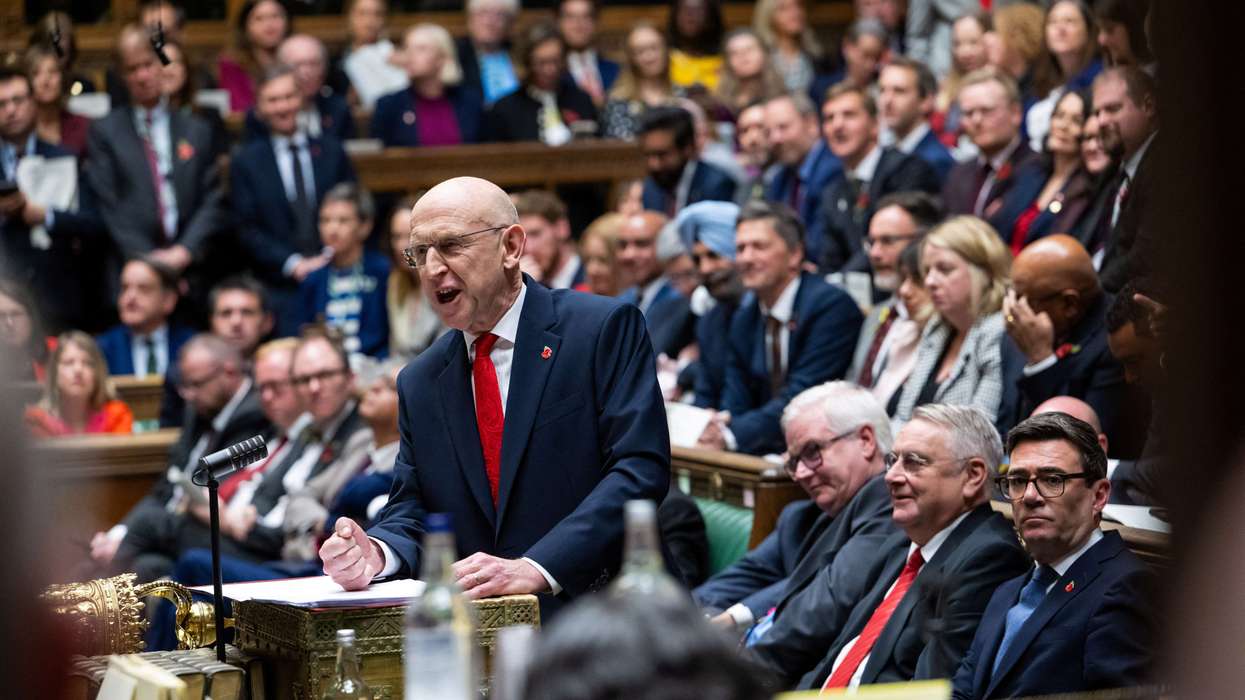
Chancellor John Healey confirmed the government's new £4.7bn Your First Home scheme, designed to help first-time buyers who lack access to family financial support.
Bill said the absence of major surprises in the Budget could produce a modest recovery in sentiment over the coming months. However, he warned that asking prices would need to reflect the tougher financial conditions facing buyers.
Rob Wood, chief UK economist at Pantheon Macroeconomics, also expected the scheme to provide some support but said property prices were likely to remain subdued next year.
The pressure is already visible in mortgage lending. Bank of England data published on Thursday showed that mortgage approvals for house purchases fell in September to their lowest level since December 2023.
For prospective buyers, the combination of higher mortgage rates, tighter affordability and uncertainty over the Bank of England's next move could delay purchasing decisions.
While government support may help some first-time buyers enter the market, the direction of borrowing costs is likely to remain a major influence on housing demand and prices in the months ahead.