
- The UK and France are hosting a multinational defence meeting on Hormuz security.
- Iran warned foreign warships entering the region would face a “decisive” response.
- Britain and France have already moved naval assets closer to the Middle East.
The UK and France are stepping up plans for a multinational security mission in the Strait of Hormuz as concerns grow over disrupted global trade routes and rising tensions with Iran.
More than 40 countries are expected to join a virtual meeting of defence ministers on July 15 to discuss military coordination aimed at restoring confidence for commercial shipping moving through the strategic waterway. The talks come at a sensitive moment, with Iran warning Britain and France against deploying warships into the region.
According to the British government, John Healey will co-chair the meeting alongside French minister Catherine Vautrin. The discussions are expected to focus on practical military planning following earlier meetings between defence officials in London during April.
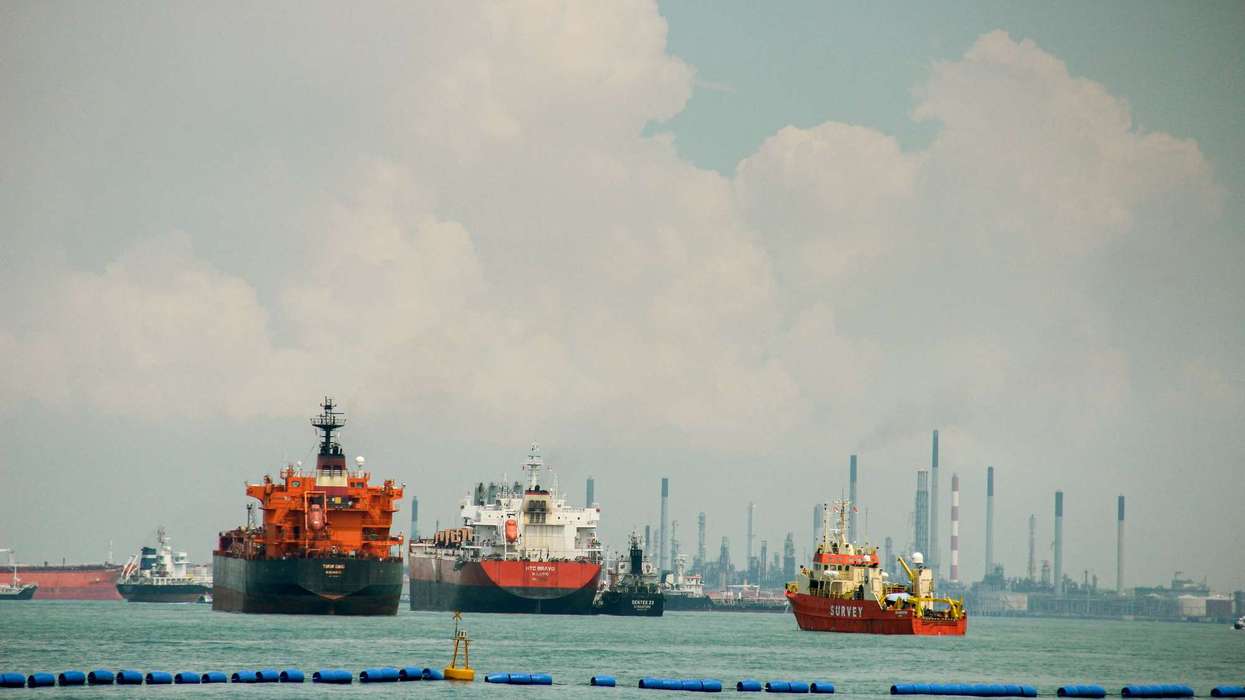
The Strait of Hormuz remains one of the world’s most important trade corridors, handling around 20 per cent of global oil shipments before the Iran conflict escalated in late February. Shipping through the route has since slowed dramatically after Iran largely restricted access to the strait and the US responded with its own blockade measures targeting Iranian ports.
Warships move closer as rhetoric sharpens
The latest diplomatic push comes as both Britain and France increase their military presence near the Gulf.
France has deployed its nuclear-powered aircraft carrier French aircraft carrier Charles de Gaulle to the region, while the UK has announced the deployment of HMS Dragon.
British officials reportedly described the move as “prudent planning” designed to prepare for any future international mission aimed at protecting shipping routes and supporting mine-clearing operations once hostilities ease.
Healey reportedly said the aim was to turn diplomatic agreements into practical military plans capable of restoring shipping confidence through the strait.
But the naval deployments have triggered a sharp response from Tehran.
Iran’s deputy foreign minister Kazem Gharibabadi reportedly warned that warships from Britain, France or any other country entering the area would face an “immediate and decisive response”.
He reportedly insisted that only Iran could provide security in the Strait of Hormuz.
Europe walks a careful diplomatic line
Despite the military preparations, Emmanuel Macron later attempted to lower tensions by clarifying France’s position.
Speaking in Nairobi, Macron reportedly said France had “never envisaged” a direct naval deployment inside the Strait of Hormuz itself. Instead, he described the effort as a broader security mission that would need coordination with Iran.
Macron also reiterated his opposition to blockades from either side and reportedly said shipping lanes should remain open without “any toll” being imposed on vessels using the route.
The wider conflict continues to unsettle global markets, particularly energy markets already dealing with supply concerns and elevated oil prices.
Analysts say the coming defence talks could become a key test of whether Western allies can secure commercial trade routes without pushing tensions with Iran into a deeper military confrontation.