
- Experts warn shortages could appear within weeks if conflict persists.
- Supply routes for key drug ingredients are facing major disruption.
- Rising transport costs may push medicine prices higher.
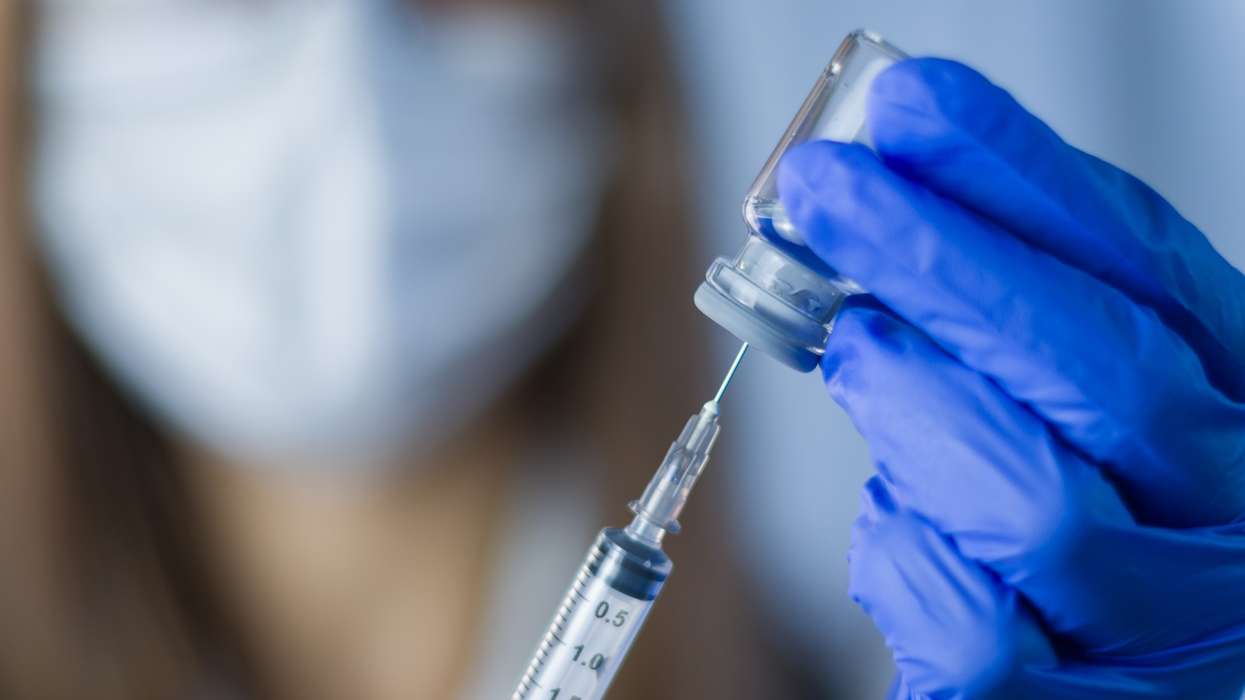
The UK could be just weeks away from shortages of essential medicines, from everyday painkillers to cancer treatments, as the Iran war continues to disrupt global supply chains. Experts tracking the situation say the risk is building, even if the system has not yet reached a breaking point.
The concern centres around the flow of raw materials and finished drugs, many of which depend on stable routes through the Gulf. According to Moody's, the ongoing conflict has already hit supplies of oil, gas, fertiliser and helium — all critical to pharmaceutical production.
David Weeks, a director at the firm, reportedly said the situation is turning into a “perfect storm”, as quoted in a news report. He pointed out that India, often called the “pharmacy of the world”, produces a large share of generic medicines and active pharmaceutical ingredients. With geopolitical tensions rising, moving those supplies has become increasingly difficult.
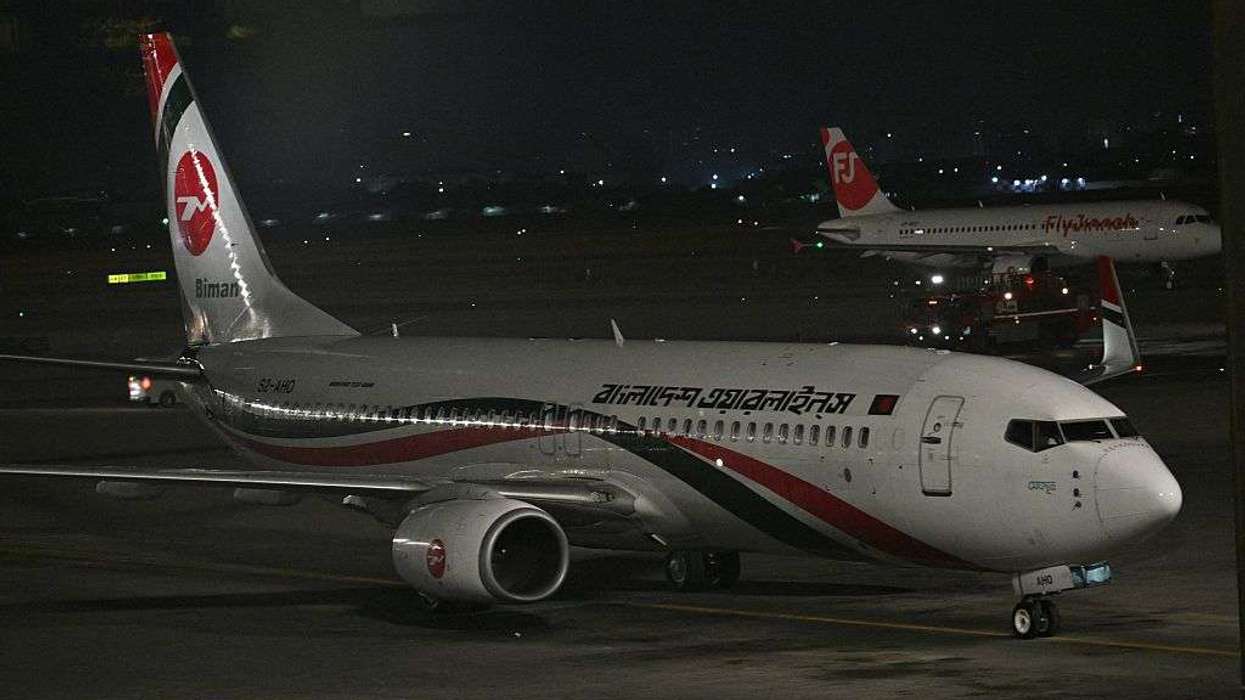
Air routes have already been affected. Airports in cities like Dubai, Doha and Abu Dhabi were briefly shut and are now running limited schedules, forcing companies to reroute shipments. That has slowed deliveries and increased costs.
Delays, rising costs and the risk ahead
Shipping, which carries most medicines, is also under strain due to disruptions around the Strait of Hormuz. While there is no immediate crisis, industry voices suggest the situation could shift quickly.
Mark Samuels, who heads Medicines UK, reportedly said the UK is not yet facing shortages but warned that if disruption continues, gaps could appear within a few weeks, as quoted in a news report.
The system relies heavily on stockpiles. Suppliers typically hold six to eight weeks of medicines, with hospital suppliers in England required to maintain at least eight weeks. That buffer may not hold if supply lines remain unstable.
Costs are also climbing. The conflict has pushed up air freight charges sharply, with some estimates suggesting costs have doubled. Around one in five NHS medicines arrives by air, and manufacturers are currently absorbing those higher expenses. However, margins on generic drugs are already thin, raising concerns that some medicines could become unviable to supply.
While prices for hospital medicines are locked into long-term agreements, suppliers have more flexibility when it comes to GP practices and pharmacies, where increases could filter through.
Some medicines — including advanced cancer treatments, gene therapies and temperature-sensitive biologics — must be transported quickly by air, making them especially vulnerable to disruption. Others can travel by sea, but that comes with delays. Ships rerouted around the Cape of Good Hope add roughly two weeks to journeys and around £750,000 ($1 million) in extra fuel costs.
For now, the UK’s medicine supply remains stable on the surface. But with global routes stretched and costs rising, the pressure underneath is beginning to show.