
- Consumer confidence falls to lowest level in nearly a year
- Inflation fears rise as oil prices jump around 50 per cent
- Households cut spending plans and shift towards saving
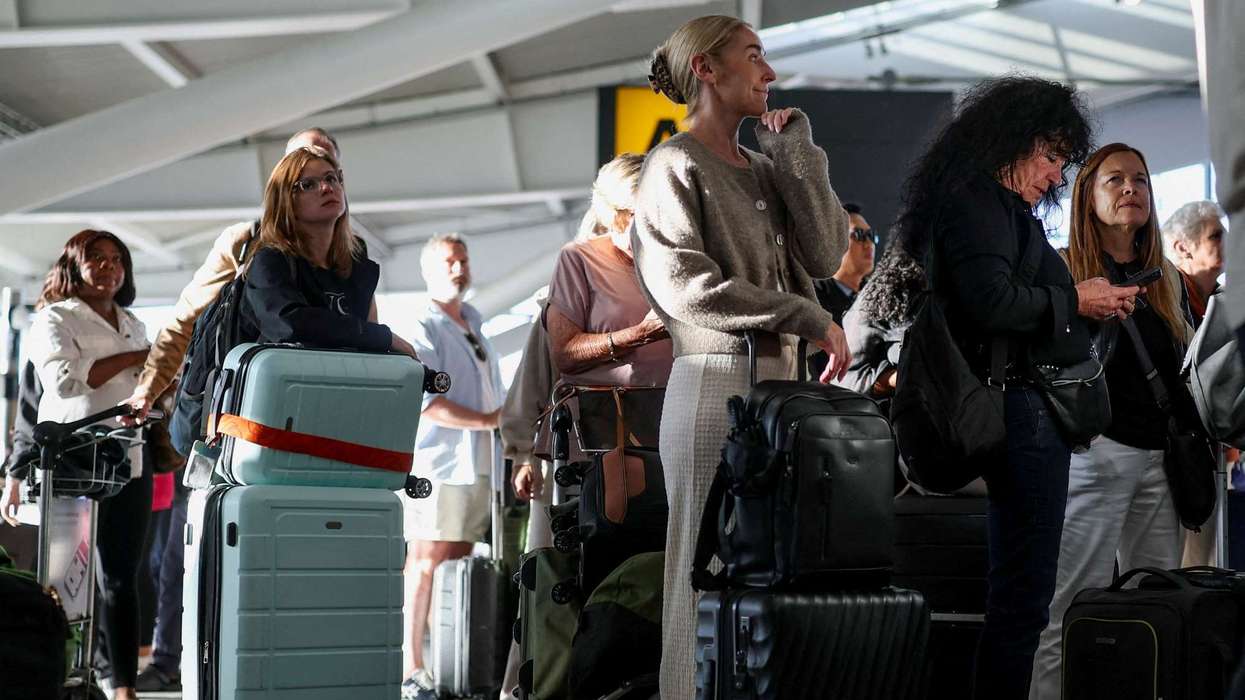
UK consumer confidence has taken a hit in March, with households growing uneasy about the economic fallout from the Iran conflict and the risk of rising inflation. The latest data adds to concerns over the UK cost of living, as energy prices climb and global uncertainty deepens.
Figures from GfK show its consumer confidence index dropped to -21 in March, down from -19 in February. That marks the weakest reading in 11 months, even if the fall was slightly less severe than expected.
The biggest shift came in how people view the wider economy. Expectations for the next 12 months fell sharply, pointing to growing concern about where things are heading rather than immediate financial stress.
“People simply do not feel the economy is robust enough to ride out the knock-on effects from the West Asia conflict,” Neil Bellamy of GfK reportedly said in a news report.
The timing is key. Oil prices have risen by around 50 per cent since late February, pushing up fuel costs and raising the prospect of broader price increases. While household energy bills remain capped until July, the impact is expected to become more visible in the months ahead.
Government support has so far been limited, mainly focused on households reliant on heating oil, leaving many bracing for further cost pressures.
Inflation worries back in focus
The shift in sentiment is likely to be watched closely by the Bank of England, which is already dealing with stubborn inflation.
The central bank expects inflation to rise towards 3.5 per cent by mid-year. Meanwhile, the Organisation for Economic Co-operation and Development has projected UK inflation could reach around 4 per cent in 2026, a steeper increase than in many other advanced economies.
The GfK survey also pointed to a slight rise in household inflation expectations, though not as sharp as seen in other recent polls.
Spending slows as caution sets in
There are early signs that households are adjusting their behaviour. The survey showed a drop in appetite for major purchases, alongside a rise in savings intentions, suggesting people are becoming more cautious with money.
This shift could have wider implications. If consumers continue to hold back on spending, it may start to weigh on economic growth in the coming months.
Bellamy reportedly said in a news report that unless the conflict eases or further government support is introduced, the current dip in confidence could deepen significantly.