
- The planned reduction from £20,000 to £12,000 for under-65s could be scrapped before taking effect in April 2027
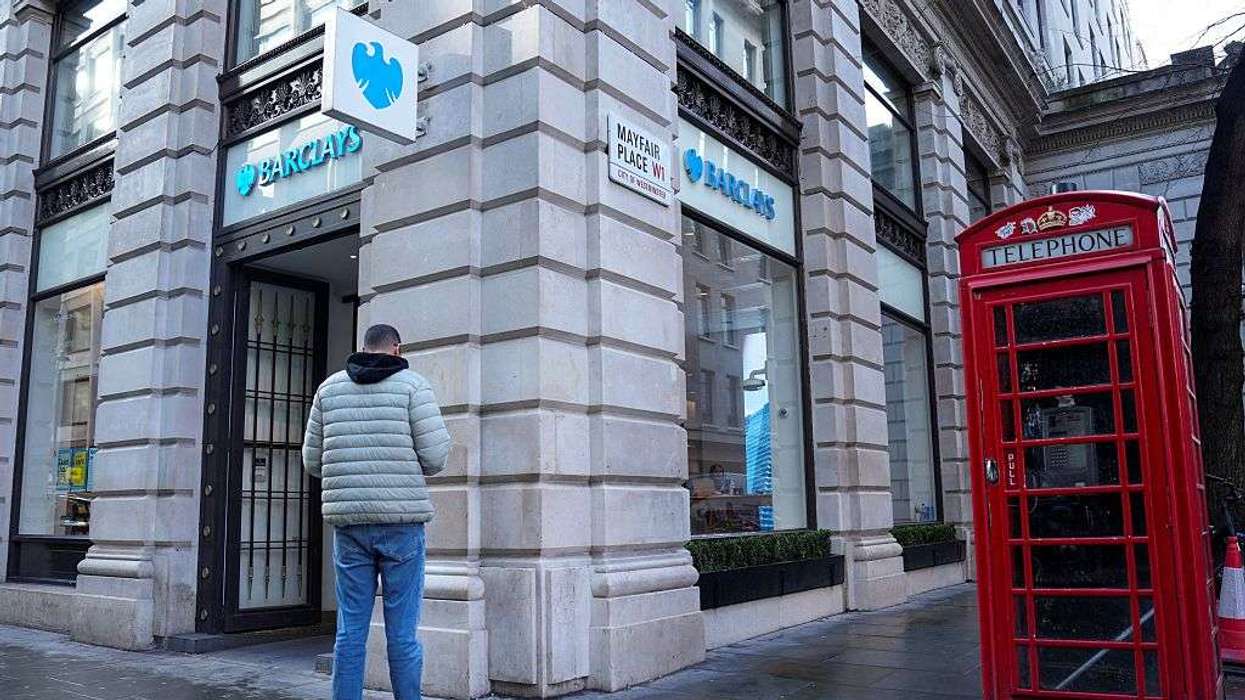
- Banks and building societies have warned that restricting cash Isa deposits could affect mortgage funding
- The reported reversal would shift the government’s approach towards encouraging stock market investment through education rather than reducing savings tax breaks
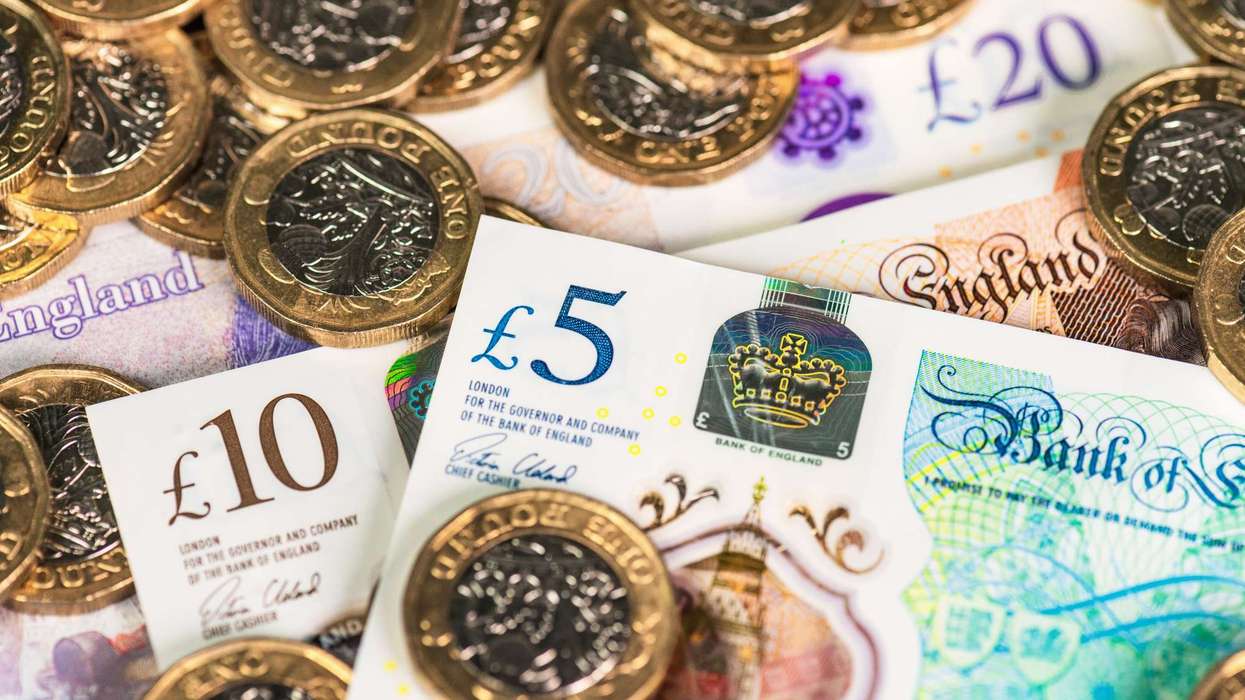
Chancellor John Healey is expected to abandon plans to cut the annual cash Individual Savings Account (Isa) allowance from £20,000 to £12,000, in a potential policy reversal that would offer relief to banks and building societies ahead of the Budget.
The Financial Times reported that Healey had decided to reverse the reduction announced by his predecessor, Rachel Reeves, citing people familiar with the discussions. The Treasury declined to comment on what it described as speculation.
The proposed change would have reduced the cash Isa limit for people under 65 from April 2027, while keeping the overall annual Isa allowance at £20,000. Savers aged 65 and over would have retained the existing £20,000 cash limit.
The original policy was intended to encourage people to move more of their savings into stocks and shares, directing additional investment towards UK companies. However, Healey is reportedly considering a different approach, with greater emphasis on educating savers about the potential benefits of stock market investment rather than reducing the tax advantages of cash savings.
Cash Isas are among the UK’s most popular savings products. They allow savers to earn interest without paying tax on it, while stocks and shares Isas shelter eligible investment income and capital gains from tax.
Banks and building societies await clarity
A reversal would be welcomed by building societies, which rely heavily on retail savings deposits to finance mortgage lending. Unlike many banks, building societies face restrictions on their access to wholesale funding markets, making customer deposits particularly important to their lending capacity.
The Building Societies Association (BSA) has repeatedly urged the Treasury to retain the £20,000 cash Isa limit, warning that a reduction could constrain mortgage availability, particularly for first-time buyers.
Debbie Enever, the BSA’s head of external affairs, said she was “keeping my fingers crossed” over the reported change. She noted that more than half of homebuyer lending by building societies goes to first-time buyers, a group that can be more difficult to serve if lenders tighten their criteria.
The proposed reversal could also provide some reassurance to high street banks, which are preparing for possible increases in sector-specific taxes in the Budget.
Cash Isa deposits can offer banks relatively stable funding, particularly when savers choose fixed-term accounts with limited withdrawal options in exchange for better interest rates. Retaining the higher allowance could help preserve that source of funding.
The debate comes as Healey weighs measures affecting the financial sector, with banks warning that higher taxes could affect investment and competitiveness. The Chancellor’s wider choices on banking taxation are examined in Eastern Eye’s report, ‘IMF warns UK against higher bank taxes ahead of October budget’.
Tom Selby, director of public policy at investment platform AJ Bell, said the strength of opposition to Reeves’ reforms meant a reversal would not be surprising.
The reported change would mark a shift in how the government seeks to encourage investment. Rather than limiting the amount people can hold in cash Isas, ministers would look to persuade savers to consider stocks and shares while preserving the existing tax-free savings allowance.
The decision is expected to be addressed in Healey’s Budget, although the Treasury has not officially confirmed the reported reversal.
For banks, building societies and savers, the outcome will determine whether the planned restrictions on cash Isa contributions due in April 2027 proceed or are abandoned.