
- Donald Trump has threatened a 100 per cent tariff on countries that levy digital services taxes on US technology firms.
- The warning could put fresh pressure on European nations, including the UK, which already has a digital services tax.
- The move comes just days after the US and EU finalised a new trade agreement.
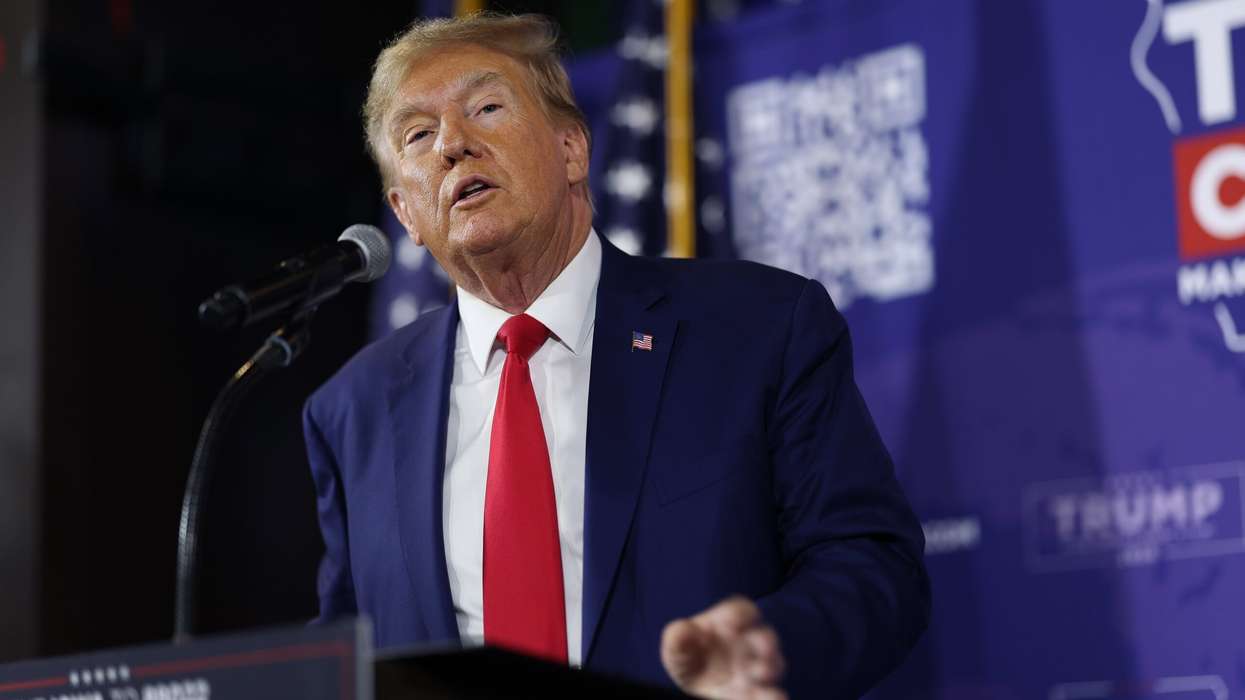
US President Donald Trump has threatened to impose 100 per cent tariffs on imports from countries that introduce or maintain digital services taxes on American technology companies, escalating a long-running dispute over how global tech firms should be taxed.
In a post on his Truth Social platform, Trump said any country imposing such a tax would immediately face tariffs on goods exported to the US. He also said the measure would override any existing or future trade agreements with those countries, as quoted in a social media post.
The warning appears to be aimed primarily at European nations, several of which already levy digital services taxes on large technology companies. It also raises questions over the UK's position, although Britain has had a 2 per cent Digital Services Tax in place since 2020.
A tax dispute returns to the spotlight
The UK's Digital Services Tax applies to major online businesses, including search engines, social media platforms and digital marketplaces with global digital revenues above £500 million and UK revenues exceeding £25 million.
The levy affects several large US technology companies, including Apple, Google, Meta and Amazon. According to the Treasury, it generated more than £800 million in the 2024-25 financial year, compared with £678 million the previous year.
France, Italy and Spain also impose digital services taxes of 3 per cent, while several other European countries have either introduced or proposed similar measures.
Trump has repeatedly argued that these taxes unfairly target American businesses. Earlier this year, he warned Britain could face "a big tariff" over its digital services tax, reportedly saying countries were trying to make "an easy buck" from US technology companies.
Trade tensions could deepen
The latest threat comes only days after the US and the European Union agreed a new trade deal that capped tariffs on many European exports at 15 per cent. However, digital services taxes were left outside the agreement, leaving one of the biggest trade disagreements unresolved.
The European Commission has indicated it is prepared to defend the bloc's tax policies. A spokesperson reportedly said the EU would respond swiftly and decisively if its interests or regulatory autonomy were challenged.
The Office of the US Trade Representative has for several years argued that digital services taxes discriminate against American companies because many of the world's largest technology firms are headquartered in the US.
The latest warning is unlikely to affect India directly. The country abolished its 2 per cent Equalisation Levy on non-resident e-commerce operators in 2024 and removed the remaining 6 per cent levy on digital advertising services through the Finance Bill 2025, with effect from April 1, 2025.
The Department for Business and Trade and the Treasury have not yet commented on Trump's latest statement.