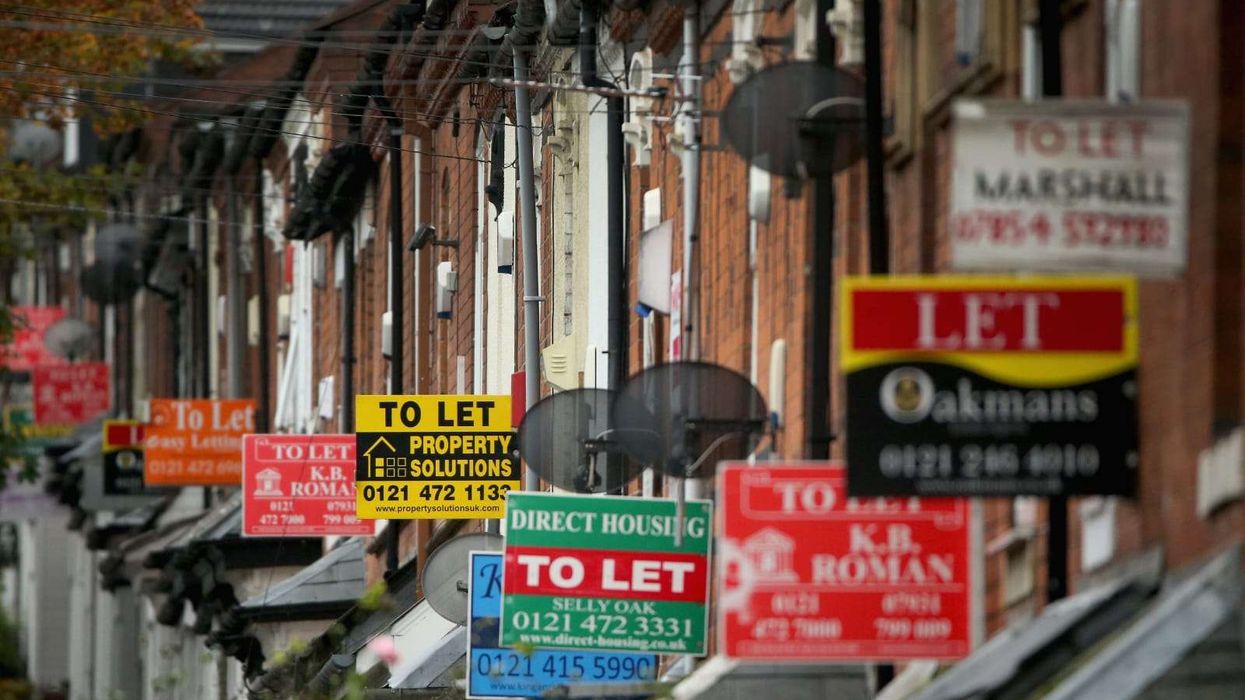

BRITAIN’S economy unexpectedly shrank in the third quarter and flatlined in the previous three months, official data showed last month, raising fears of a recession before an election due this year.
The downbeat news delivers a blow to Tory prime minister Rishi Sunak, who trails Labour leader Sir Keir Starmer in the polls despite a sharp slowdown of inflation.
Gross domestic product (GDP) contracted 0.1 per cent between July and September on sliding services output, down from a prior estimate of zero, the Office for National Statistics (ONS) said in a statement.
Activity was hit by the Bank of England’s (BoE) aggressive interest-rate hikes, which are aimed at curbing elevated inflation and easing a cost-of-living crisis.
The ONS added that the economy turned flat in the second quarter, slashing its previous estimate of 0.2-per cent expansion.
That sparked speculation over a potential recession which is defined as two straight quarters of negative economic growth.
Darren Morgan, ONS director of economic statistics, said the overall UK economy was “little changed” over the entire year.
“The latest (GDP) data... show the economy performed slightly less well in the last two quarters than our initial estimates,” Morgan added.
“The broader picture, though, remains one of an economy that has been little changed over the last year.”
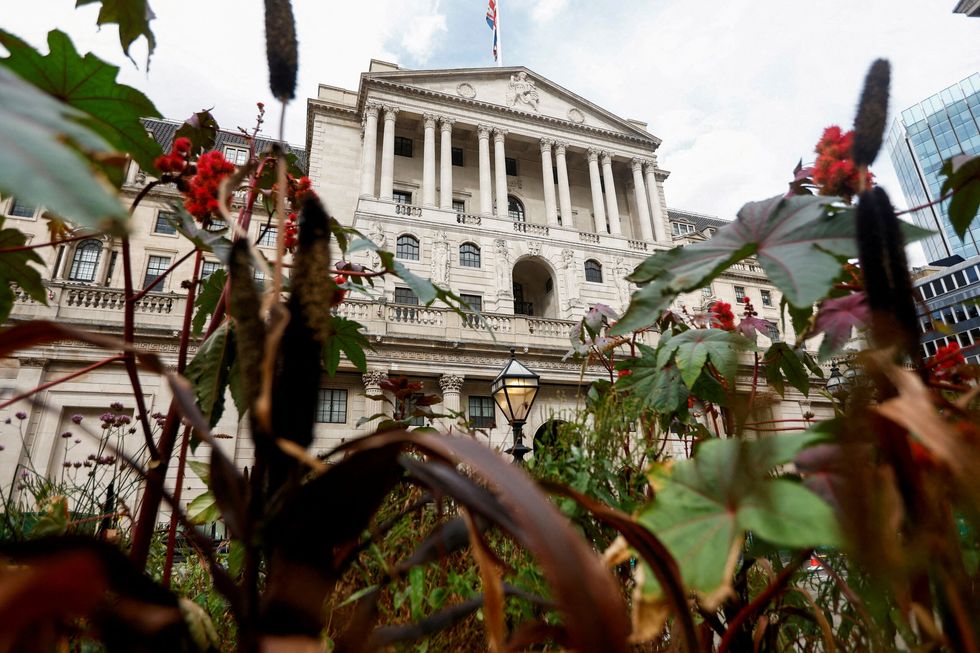 The Bank of England has said it will not cut interest rates despite falling inflation
“The fall in real GDP in the third quarter may mean that the mildest of mild recessions started,” noted Capital Economics analyst Ashley Webb.
“But whether or not there is a small recession, the big picture is that we expect real GDP growth to remain subdued throughout 2024,” Webb added.
Sunak was buoyed last month as separate ONS data showed inflation slowed sharply to the lowest level in more than two years.
The BoE last month froze its key interest rate at a 15-year peak of 5.25 per cent, but warned that it will remain elevated to tackle stubbornly high consumer prices.
The chancellor, Jeremy Hunt, took the unusual step of commenting on the BoE’s interest rate decisions.
“There’s a reasonable chance that if we stick to the course we’re on, we’re able to bring down inflation, the Bank of England might decide they can start to reduce interest rates,” Hunt said in an interview with the Financial Times which was published on December 21.
The BoE, meanwhile, stressed it was premature to talk about cutting interest rates although the recent slowdown in Britain’s high rate of inflation has helped to fuel bets in financial markets that the bank rate could fall to as low as 3.75 per cent by the end of 2024, from its current 15-year high of 5.25 percent .