
May of this year marked 2,351 years since the legacy-defining Battle of the Hydaspes. Contested by the Macedonian Empire led by Alexander the Great and Porus of the Pauravas, it was both the conqueror’s crowning moment and, per most historians, his campaign’s most costly conflict.
While it takes place in modern-day Pakistan, in the Punjab province, it was a core feature of Alexander’s Indian campaign. Not only did victory for Alexander entrench the Macedonians across the region, but it also furthered the political and cultural exchange of ideas between Greece and the Subcontinent.
A Mythical Land for Alexander to Explore
While the Battle of the Hydaspes would ultimately bookend Alexander the Great’s Indian campaign, it wasn’t planned as the culmination of his travels. After eight years, his men were weary, and after a particularly intense battle on the monsoon-swollen Hydaspes River, Alexander had to abort the plan to cross the Ganges.
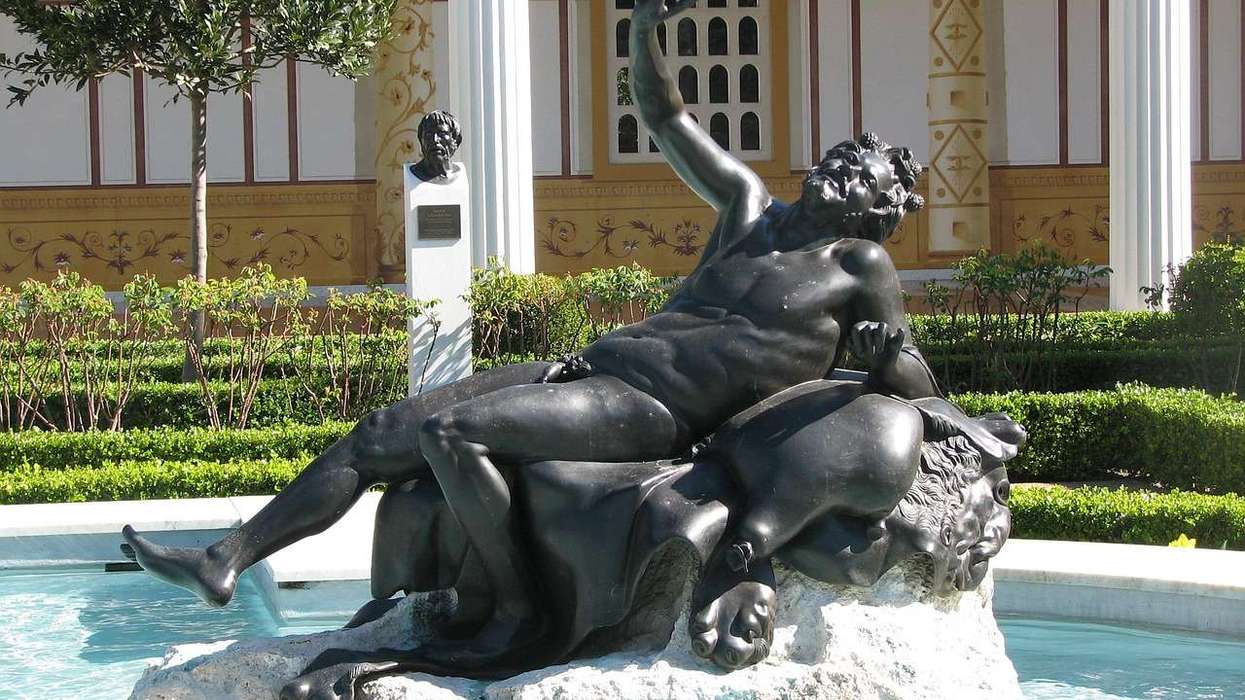
Ultimately, Alexander sought to discover the riches detailed by historian Herodotus and also tread the mythical trails of prominent Ancient Greek gods. Chief among them is Dionysus, who remains one of the most well-known and liked of the old pantheon. After all, his legacy as the ultimate god of a good time has even made it into bingo circles.
Among the many different kinds of bingo games and slots, Dionysus Party sits prominently as a top pick. This is despite more traditional Greek gods being very well represented in games like Zeus Hyper Frames and Legacy of Athena. Dionysus was said to have arrived in India, subdued the Indians and spurred them to fight his war on Bactria – and ancient Iranian civilisation.
It was a famous tale of a great god, and so, there’s credence to the thinking that Alexander the Great sought to emulate the gods and become even greater than a mere legend. If he could surpass Dionysus’ stomping grounds and make it to the Ocean Stream that was believed to surround the Europe-Asia continent, he could set a new boundary for his great empire at the world’s edge.
Aftermath of Alexander’s Campaign
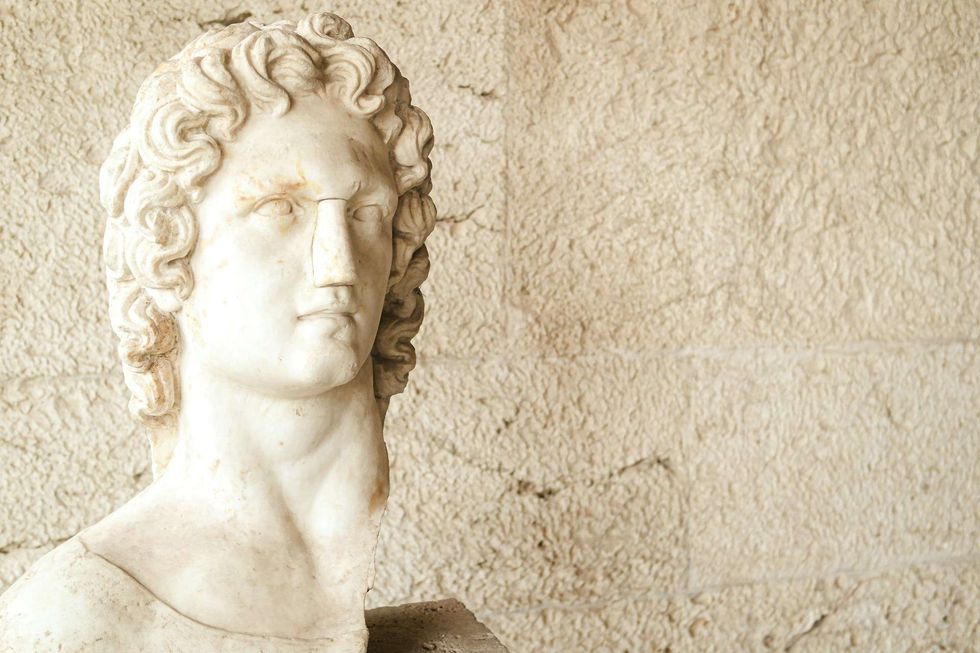 Photo by Tucker Monticelli on Unsplash
After the Macedonian army returned home, the settlements and populations established by Alexander the Great on his campaign remained. It created a crucial path between Greece and India, facilitating a grand exchange of ideas and goods. Alexander’s exploits merely propelled this exchange, though.
Prior to the march of the Macedonians, Bactria Greeks were already owners of strips of Indian land, which were said to help facilitate the entry of Alexander’s armies into the region. They were also said to have come with the knowledge of the myths of Dionysus and Heracles, and maybe to find the edge of the world beyond the Hindu Kush.
With these foundations expanded into hubs of cultural and goods exchange with the likes of Alexandria, Bucephala, and Nicaea, Indians and Greeks would continue to enrich one another. Philosopher Pyrrho of Elis found himself heavily influenced by Indian philosophy, while Indian architecture would be spurred on by Hellenistic ideas.
While Alexander the Great’s venture into India was very much an invasion that unseated local powers, it had a resounding effect that bolstered thinkers and creatives from Greece to India. To this day, you can still feel the impact of the Macedonian’s march to the edge of the world.