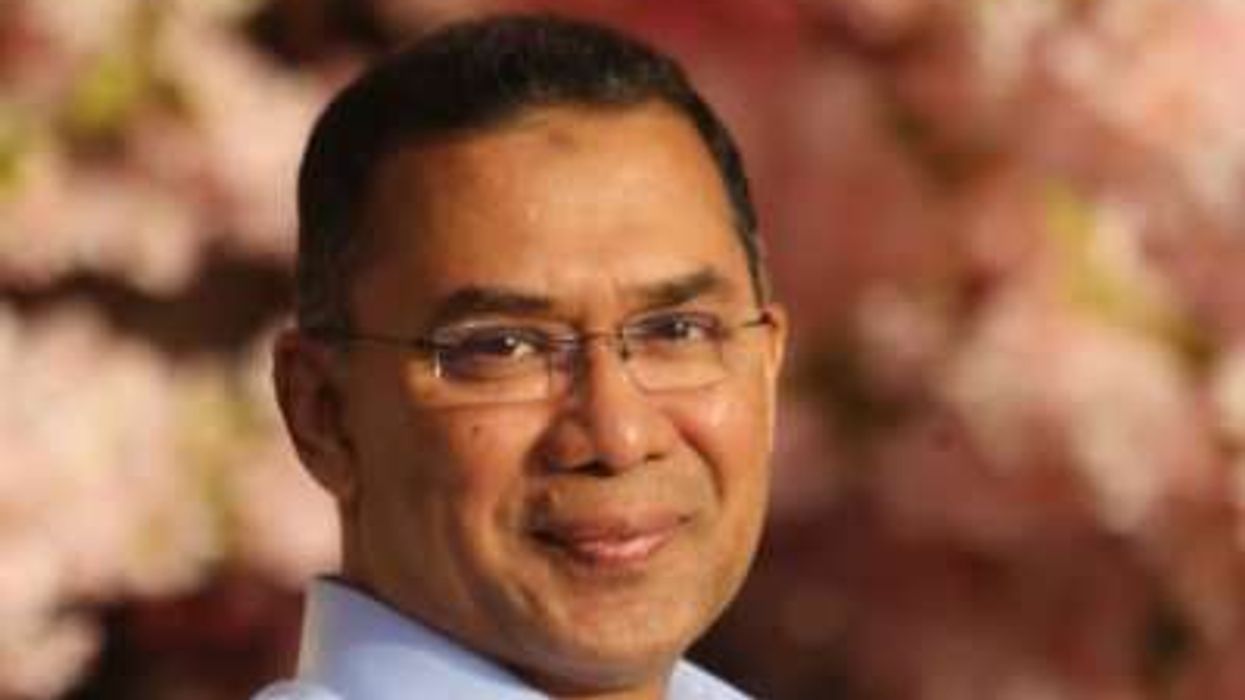

BANGLADESH Nationalist Party (BNP) acting chairman Tarique Rahman said on Monday that he would return to Bangladesh “soon” after 17 years in self-imposed exile to contest the country’s first elections since the 2024 mass uprising.
Rahman, 59, is the son of former prime minister Khaleda Zia and is seen as a key frontrunner in the upcoming polls. “For some reasonable reasons my return hasn’t happened... but the time has come, and I will return soon, God willing,” he told BBC Bangla in an interview broadcast on Monday.
The elections, scheduled for February 2026, will be the first since a mass uprising ousted prime minister Sheikh Hasina last year, ending her 15-year rule during which she suppressed the BNP.
Rahman, also known as Tarique Zia, has lived in London since 2008, saying he fled politically motivated persecution. Since Hasina’s fall, he has been acquitted of the most serious charge against him — a life sentence handed down in absentia for a 2004 grenade attack on a Hasina rally, which he denied.
“I am running in the election,” he said, speaking from London. When asked if he would become prime minister if the BNP formed the government, Rahman said: “The people will decide.”
It remains unclear whether his mother, 80-year-old Khaleda Zia, who has suffered ill health since her imprisonment during Hasina’s tenure, will contest or play a guiding role. “She went to jail in good health and returned with ailments, she was deprived of her right to proper treatment,” Rahman said. “But... if her health permits, she will definitely contribute to the election.”
Rahman also commented on the ban on Hasina’s Awami League imposed by the interim government led by Muhammad Yunus, who is expected to step down after the elections.
Hasina, 78, has defied court orders to return from India, where she fled last year, to face trial for ordering a deadly crackdown during the uprising. She has refused to recognise the court’s authority. The charges against her amount to crimes against humanity in Bangladesh.
“Those who are responsible for such cruelties, those who ordered them, must be punished. This is not about vengeance,” Rahman said. “I strongly believe people cannot support a political party or its activists who murder, forcibly disappear people, or launder money,” he added.
(With inputs from agencies)