By: Mohnish Singh
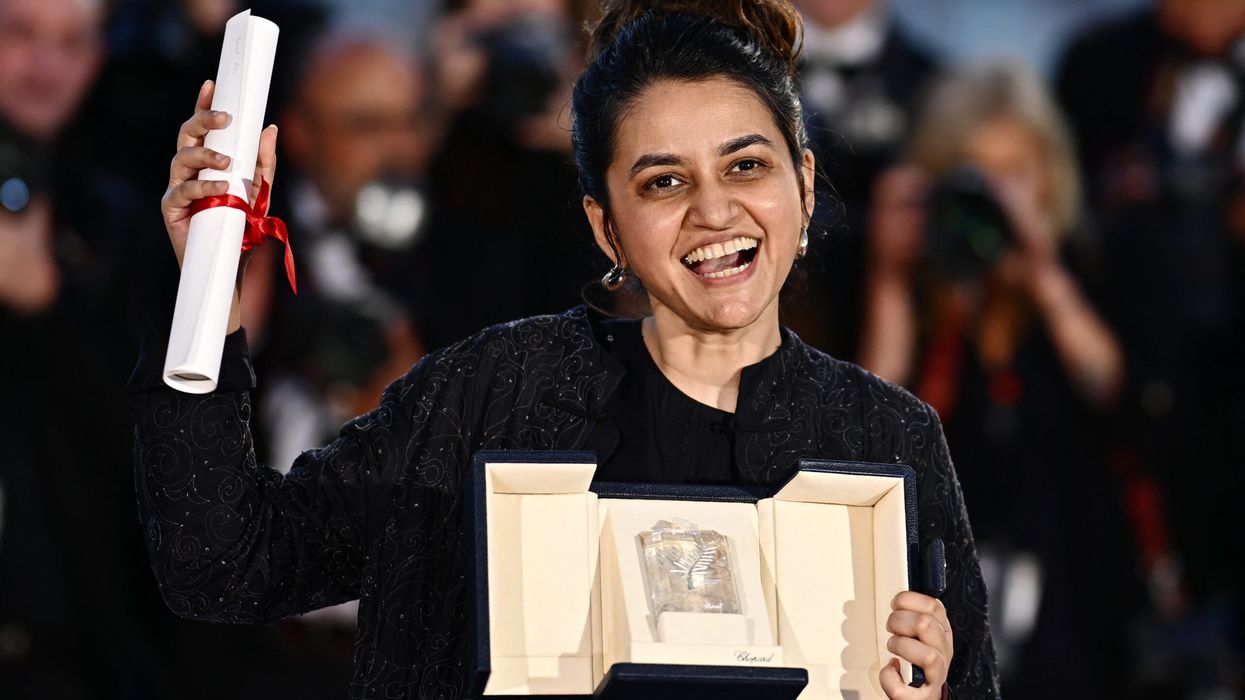
After legendary singer Kishore Kumar’s son Amit Kumar and former-winner Abhijit Sawant made some scathing comment on Indian Idol, now award-winning singer Sunidhi Chauhan has also come forward with her own revelations about the popular singing reality show and the concept of such shows which have mushroomed on Indian television over the past few years.
For the uninitiated, Chauhan has co-judged the 5th and 6th season of Indian Idol, which airs on Sony Entertainment Television. While speaking to an Indian publication, the singer said that during her association as one of the judges, even she was asked to praise contestants even if they did not perform well. The singer said that she could not keep up the façade for long and eventually decided against judging the show again.
“Not exactly this that everyone had to do this, but yes, we all were told (to praise). That was the basic thing. And so, I could not go on. I could not do what they wanted and I had to part ways. Hence, today, I am not judging any reality show,” revealed Sunidhi Chauhan.
“I think it is done to seek attention. I think it is required to be done to hold your audience. Guess it works,” she added.
The singer further revealed that in previous seasons of Indian Idol and other singing reality shows such as Dil Hai Hindustani and The Voice, she had the freedom to speak her mind and give the contestants constructive criticism instead of false praises.
“I did Dil Hai Hindustani, The Voice and Indian Idol. I could speak the truth then. Even today, I would like to say what I genuinely feel. It is up to them whether they want to have me or not," she concluded.
Earlier, Amit Kumar raised his strong objections against the Indian Idol 12 special tribute episode for Kishore Kumar on which he was a guest. “Frankly, I wanted to stop the episode. I did what I was told. I was told to praise everyone. I was told that no matter how one sings, I had to uplift everyone because it’s a tribute to Kishore da. I thought it will be a homage to my father. But once there, I just followed what I was asked to do. I had told them to give me portions of the script in advance, but nothing of that sort happened,” Kumar said.
Keep visiting this space over and again for more updates and reveals from the world of entertainment.