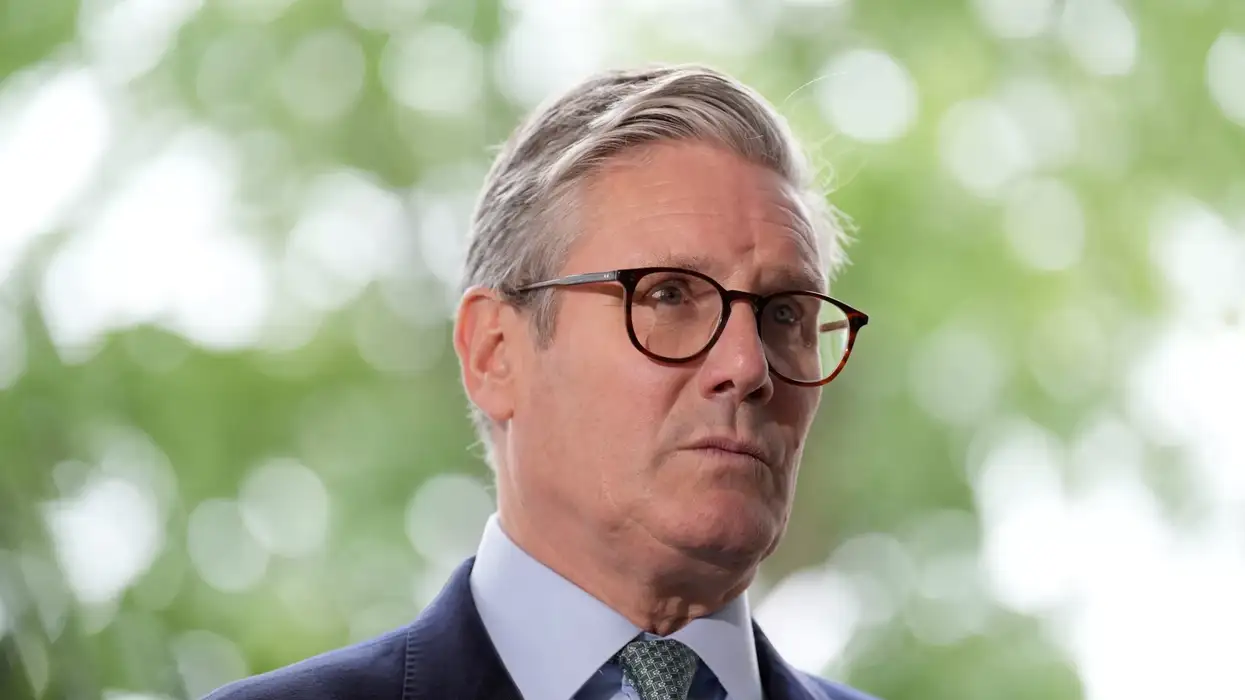

KEIR Starmer has repaid more than £6,000 in gifts, including Taylor Swift concert tickets, according to officials on Wednesday. This move comes after controversy surrounding donations received by senior Labour Party figures.
Starmer and several members of his team faced criticism for accepting large amounts in freebies from wealthy donors, particularly from an unelected lawmaker. While all donations complied with parliamentary rules, the opposition leader has been accused of hypocrisy, as he has been urging ordinary Britons to manage their finances more strictly.
In response to the backlash, Starmer introduced changes to hospitality rules for government ministers to increase transparency around accepted gifts.
A Downing Street spokesperson said, "The prime minister has commissioned a new set of principles on gifts and hospitality to be published as part of the updated ministerial code." The spokesperson also noted that Starmer had personally paid for several items on his register, which will be reflected in the next register of members' interests.
Speaking in Brussels, where he met with European Union leaders, Starmer said new general principles were needed for gifts. "I took the position that until the principles are in place, it was right for me to make those repayments," he explained.
Starmer's repayments include six Taylor Swift concert tickets from Universal Music Group worth £2,800, four horse racing tickets valued at nearly £2,000, two football tickets worth almost £600, and an £839 clothing rental arrangement with a designer admired by his wife.
The controversy over the gifts emerged ahead of Labour’s annual conference last month, the first since the party returned to power in July after 14 years in opposition.
Attention has focused on donations from Waheed Alli, a Labour member of the House of Lords, who has given Starmer items such as clothing, glasses, and accommodation. On Wednesday, the House of Lords standards watchdog announced an investigation into Alli regarding possible breaches of parliamentary rules on declaring interests.
(With inputs from AFP)



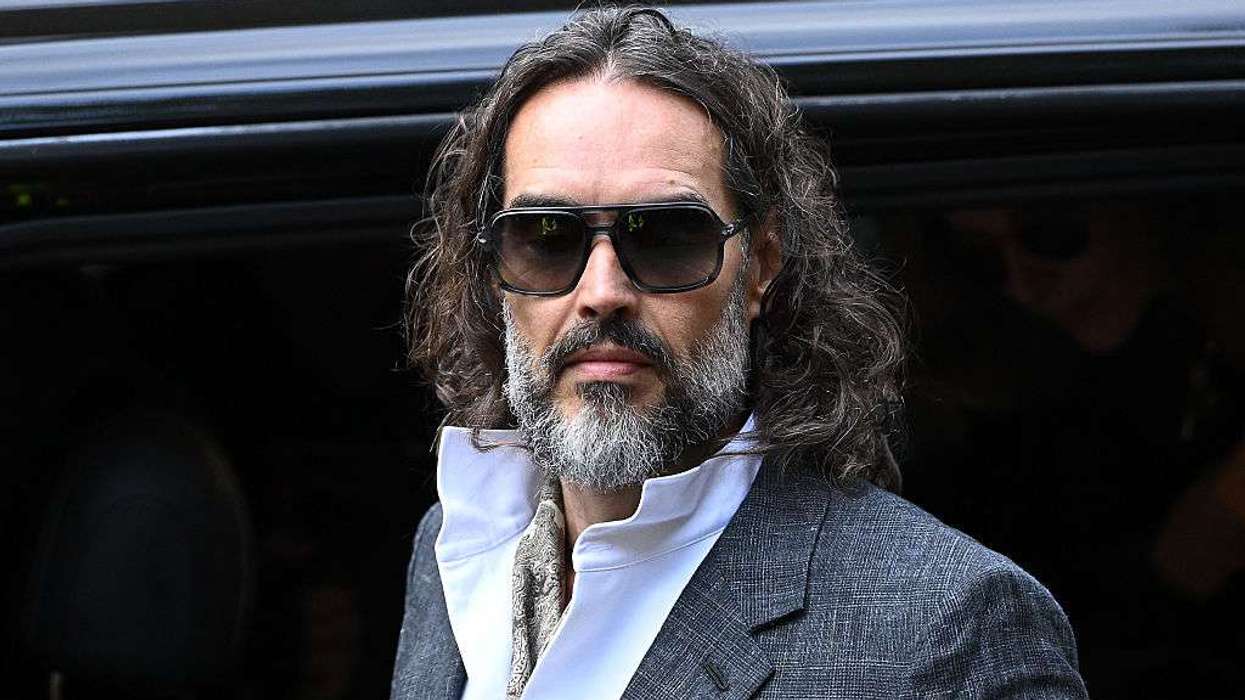
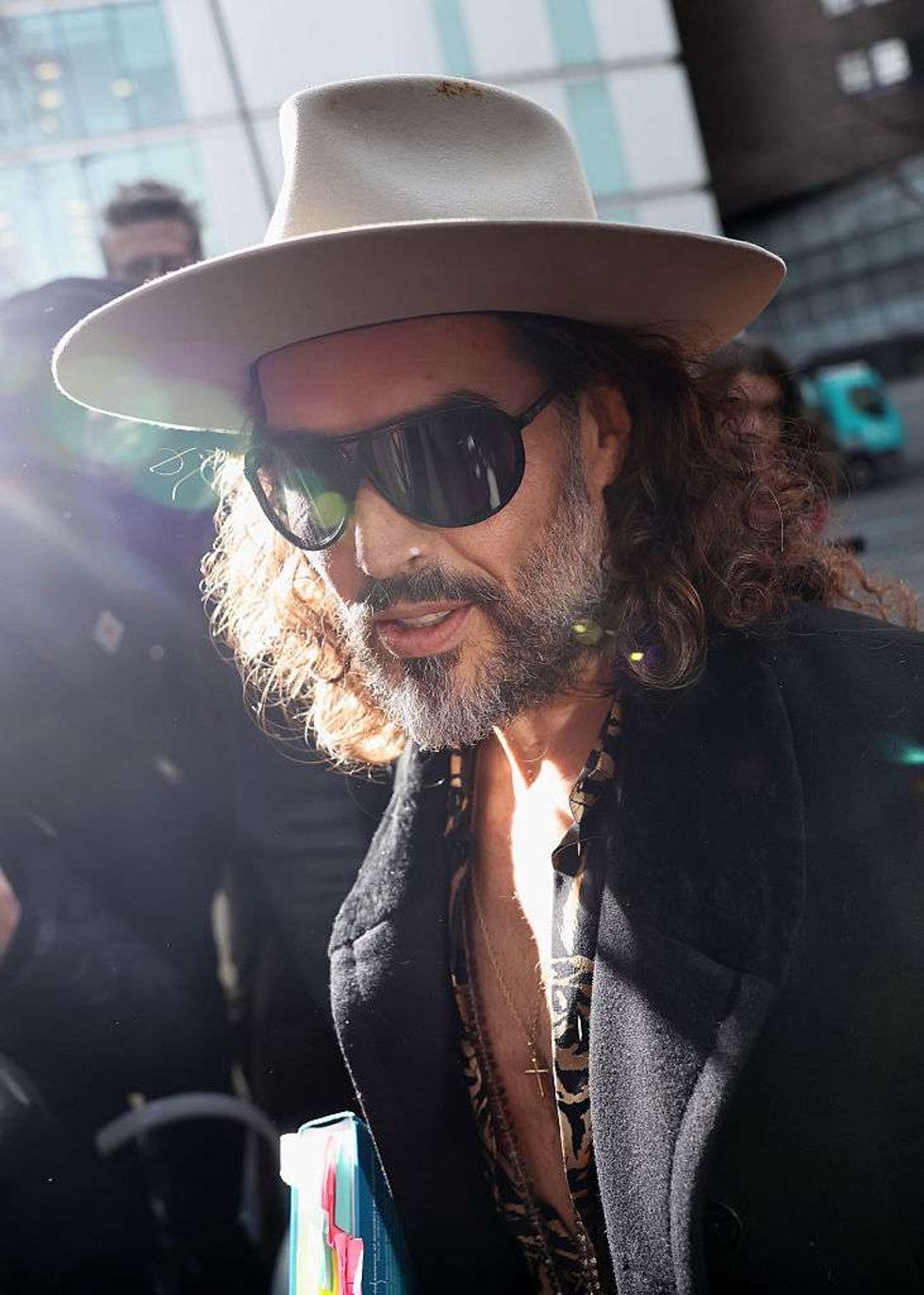 Russell Brand appears for a hearing regarding the two latest charges against him for rape and sexual assault at Southwark Crown Court on February 24, 2026 in London, England. He was previously charged in April 2025 in relation to four women on two counts of rape, two counts of sexual assault and one count of indecent assault. Jack Taylor/Getty Images