
Highlights
- Three options are on the table, including going further than Australia's under-16 ban.
- Evidence suggests at least 60 per cent of Australian children have found ways around their country's ban
- The government consultation drew 70,000 responses — the biggest since the gay marriage consultation in 2012
- Bereaved parents who met Starmer at Downing Street urged him to target harmful platform features, not just ban access
PRIME MINISTER Sir Keir Starmer is considering going further than Australia in restricting children's access to social media, promising bereaved parents that he would unveil "game-changer" action "within weeks."
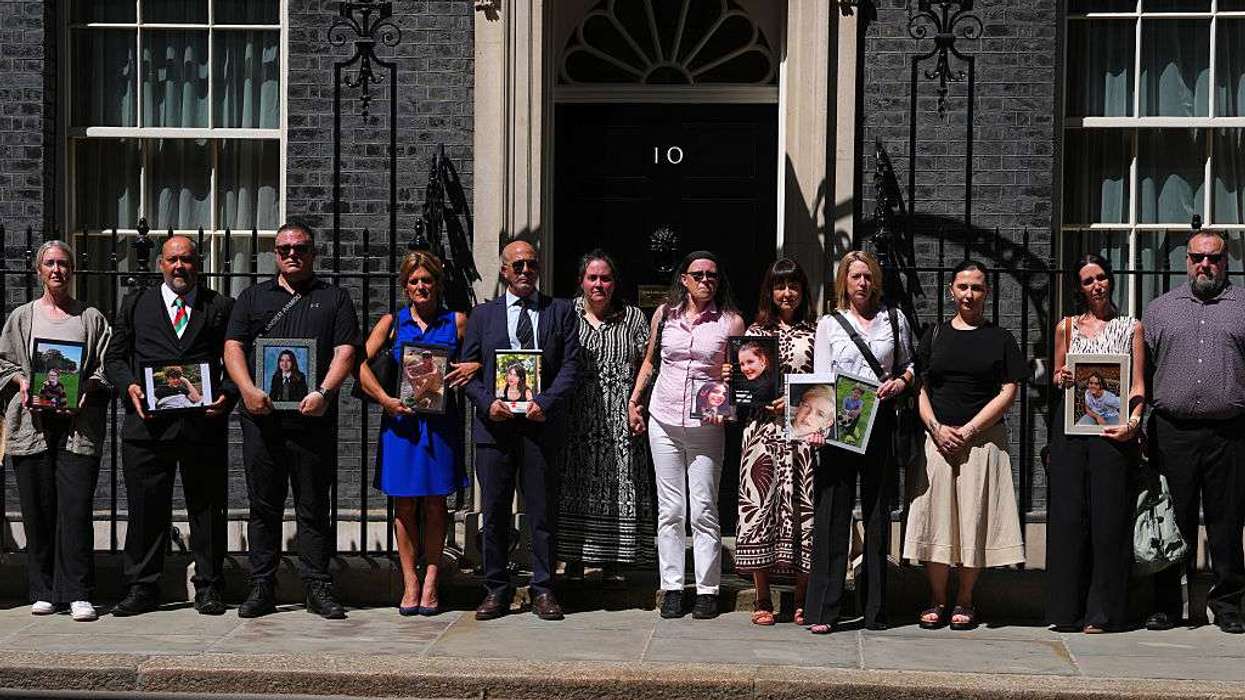
Starmer met families at Downing Street on Tuesday (26) who had lost children after they viewed harmful content online.
He told them the government would act swiftly once it had analysed the 70,000 responses received to a public consultation on a potential ban — the largest response to any government consultation since the gay marriage debate in 2012, according to the Telegraph.
Three options are understood to be on the table. The first would mirror Australia's model by banning under-16s from social media. The second would stop short of a full ban but require social media firms to block children from harmful features such as endless scrolls, algorithms that push content at children, autoplay, livestreaming and "streaks" — rewards that encourage daily app use.
The third, and most far-reaching option, would combine both approaches with tougher age-verification requirements — going beyond what Australia has introduced.
Officials have pointed to evidence that at least 60 per cent of Australian children under 16 are not complying with or have found ways around that country's ban, largely because of weak age checks and the ease of migrating to unregulated sites.
"I'm absolutely clear that this needs to be something where there's a game-changer. We will be acting. The question is only what we do. And that will be coming very quickly," Starmer told the parents.
Parents press for more than a simple ban
Sources said no final decision had been taken, and that the consultation process could not be rushed without leaving the government open to legal challenges from the big technology companies.
The parents pressed Starmer to go further than a simple ban. Ruth Moss, whose 13-year-old daughter Sophie took her own life after viewing suicide videos online, said the prime minister had listened to all their demands. "We wanted a public commitment to act and act in a big way," she said.
Ian Russell, whose 14-year-old daughter Molly died after being bombarded with suicide content online, told the Telegraph, "Keir perhaps listened to the bereaved parents more as a parent himself than a prime minister. Everyone implored him to take bold action against online harms like no prime minister has done before. Keir has a chance to leave a legacy. No one yet knows if he will take it."
Pressure on the prime minister also came from within his own party. Former health secretary Wes Streeting publicly backed a ban on Tuesday and called for it to be "a start, not the end." Writing on social media, he compared the threat posed by technology firms to the tactics once used by the tobacco industry.
"Social media should be treated like tobacco — it's extremely addictive, bad for our health, and big tech is borrowing the big tobacco playbook to avoid regulation," Streeting said. "We've got to give our children their childhood back."
The bereaved parents also called for phone-free policies in all schools, an immediate review of the regulator Ofcom and the appointment of a dedicated e-safety commissioner.