
Highlights
- Starmer says he will fight to remain prime minister
- Rejects claims he has lost authority
- Healey and Carns quit over defence spending plans
- PM says defence remains government's top priority
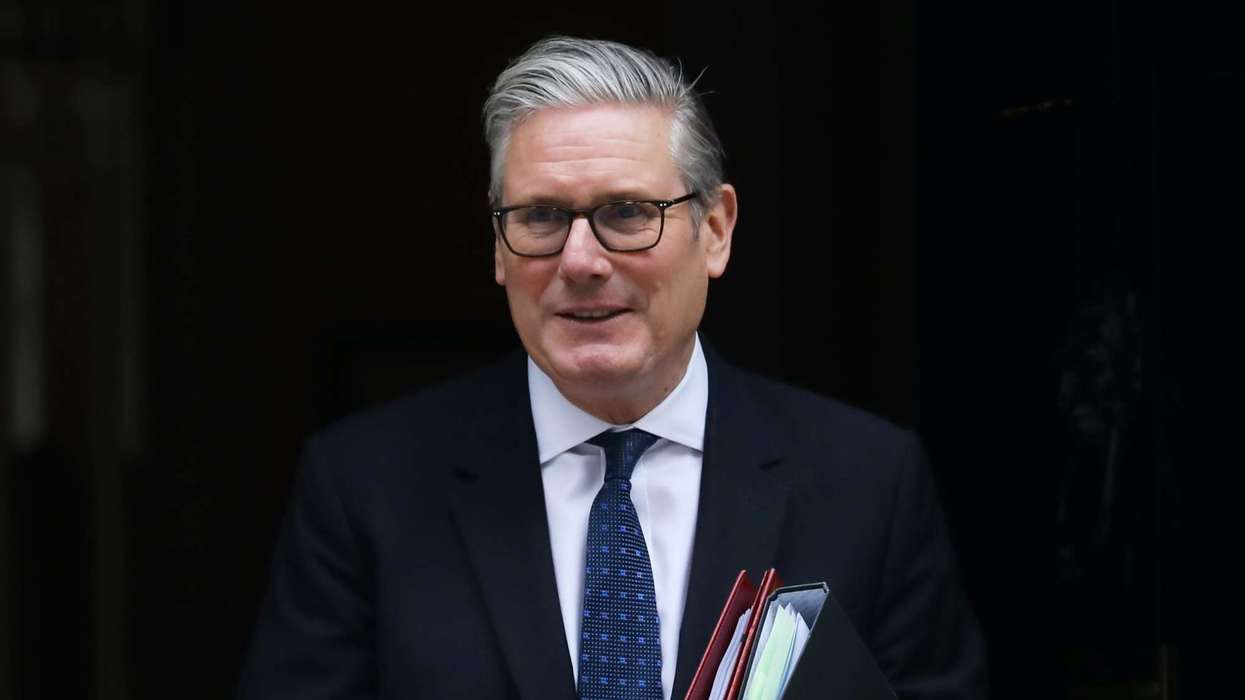
PRIME MINISTER Keir Starmer has rejected suggestions that he has lost authority and said he will fight to remain in office following the resignations of two ministers over the government's defence spending plans.
Speaking to the BBC in his first public comments since defence secretary John Healey's resignation, Starmer said he would not step aside and insisted he had a duty to continue serving as prime minister.
The comments come a day after Healey resigned, saying the government had failed to commit the resources needed to keep the country safe. Armed forces minister Al Carns also stepped down, with both ministers criticising the government's approach to defence funding.
Starmer said he would resist any challenge to his leadership and argued that any successor would face the same financial pressures.
"I'm not going to walk away," Starmer told the BBC.
With rivals expected to launch a contest to replace him in the coming weeks or months, Starmer said he would fight any challenge to his role.
Pilot groups question probe ahead of Air India crash anniversary
"Let me just be clear with you, that's not about personal vanity, it's not about stubbornness, it's out of a very deep sense of duty. I was elected to serve this country, notwithstanding the difficult circumstances. That is what I am doing," he said.
The prime minister said he did not want to "plunge" the country into the "chaos" of a leadership contest and maintained that defence spending would remain his government's top priority.
Rejecting Healey's criticism, Starmer said defence and security were his main priorities and would continue to be so when spending decisions were made.
He said he had already made "hard-edged" choices to reduce spending in other departments in order to increase investment in defence.
Starmer told BBC political editor Chris Mason that he had made "hard-edged decisions" to increase defence spending and said it would be the "number one priority at every spending review".
"Whoever is prime minister is going to face the same prevailing winds as I am facing. None of that is going to change," Starmer said.
Earlier, former Defence Secretary John Healey said the government's defence investment plan fell "well short of what is required for defence".
Carns also criticised the plans, telling the BBC that the government's upcoming defence investment programme was not "transformative enough".
The resignations have added to pressure on Starmer's leadership, with Labour facing internal divisions over spending priorities. However, the prime minister remained defiant and repeated that defence spending was his "number one priority".