
CASH-STRAPPED Sri Lanka’s economy grew by five per cent in 2024, marking the first full year of expansion since its unprecedented meltdown in 2022, official data showed last Tuesday (18).
The last quarter of 2024 saw the economy expand by 5.4 per cent, bringing the full calendar year’s GDP growth to five per cent, compared to a contraction of 2.3 per cent in 2023.
The island’s worst economic performance was in 2022, when GDP shrank by 7.3 per cent after the country ran out of foreign exchange to finance even the most essential imports such as food and fuel. “After the two consecutive declines in GDP in 2022 and 2023, Sri Lanka’s economy recorded positive growth in 2024, paving the way for further optimism,” the Department of Census and Statistics said.
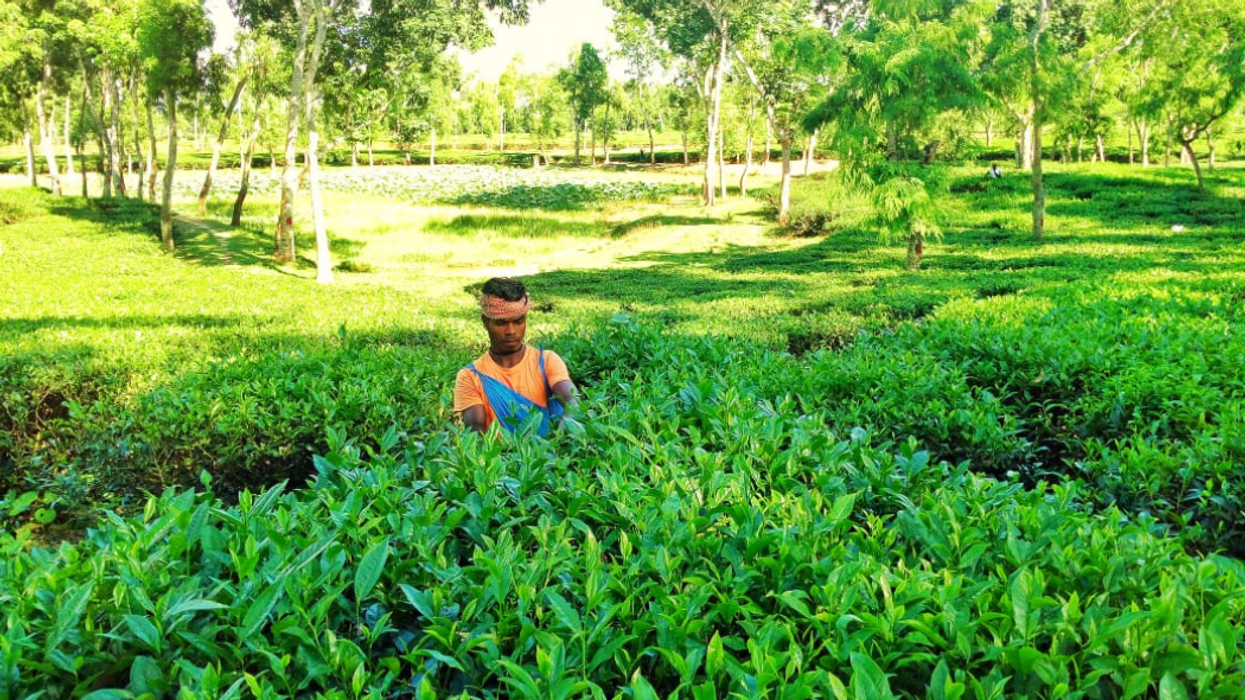
Agriculture, industry, and services contributed to the growth, it added. Months of shortages in early 2022 led to street protests, which eventually toppled thenpresident Gotabaya Rajapaksa.
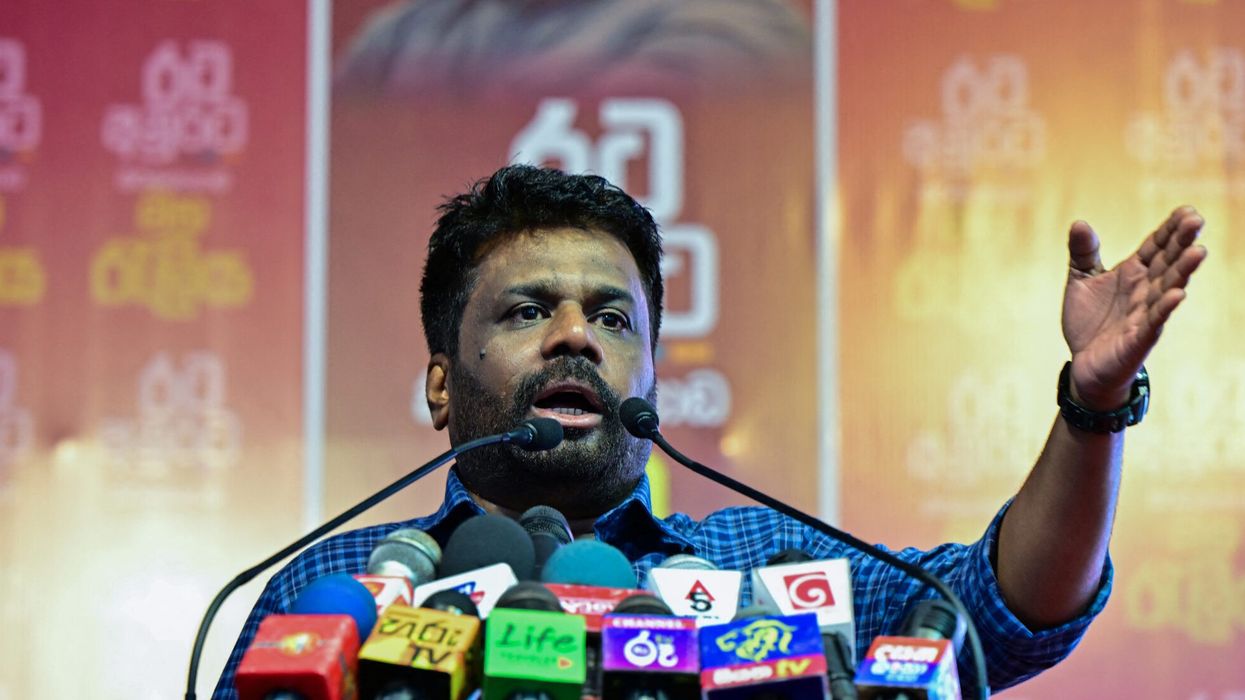
His successor, Ranil Wickremesinghe, secured a $2.9 billion (£2.2bn) four-year bailout from the IMF in 2023 after doubling taxes, cutting subsidies, and raising prices. The leftist administration led by Anura Kumara Dissanayake, who came to power in September, has maintained austerity measures.
Last month the IMF board released the fourth instalment of the bailout loan, saying that Sri Lanka’s programme performance “has been strong”. “Reforms in Sri Lanka are bearing fruit, and the economic recovery has been remarkable,” the IMF’s deputy managing director, Kenji Okamura, said in a statement.
“The recovery is expected to continue in 2025,” he added.