
Highlights
- October marks Menopause Awareness Month, with World Menopause Day on 18 October.
- South Asian women often face earlier menopause, more severe symptoms, and higher health risks.
- Cultural stigma and silence leave many women isolated and unsupported.
- The Sattva Collective CIC is the UK’s first organisation focused on South Asian women and menopause.
- Founded by coach Kiran Singh, it provides safe spaces, resources, and monthly Midlife Circles.
- Plans underway for a Midlife & Menopause Summit in October 2026.
- Awareness is key: “Silence leads to shame. Awareness leads to empowerment.”
This October, the world observes Menopause Awareness Month, with World Menopause Day on 18th October. For many South Asian women, this is more than a health milestone, it is an opportunity to finally challenge silence, stigma, and cultural barriers that have silenced generations before us.
Menopause is universal. But its impact is not. Research shows that South Asian women often enter menopause earlier, with more severe symptoms and higher risks of diabetes and heart disease. Yet in many South Asian communities, menopause remains an unspoken subject, whispered about in kitchens, dismissed as “just part of ageing,” or hidden entirely.
The result? Women endure not only the physical changes of menopause but also isolation and shame.
The Sattva Collective CIC: A first of its kind
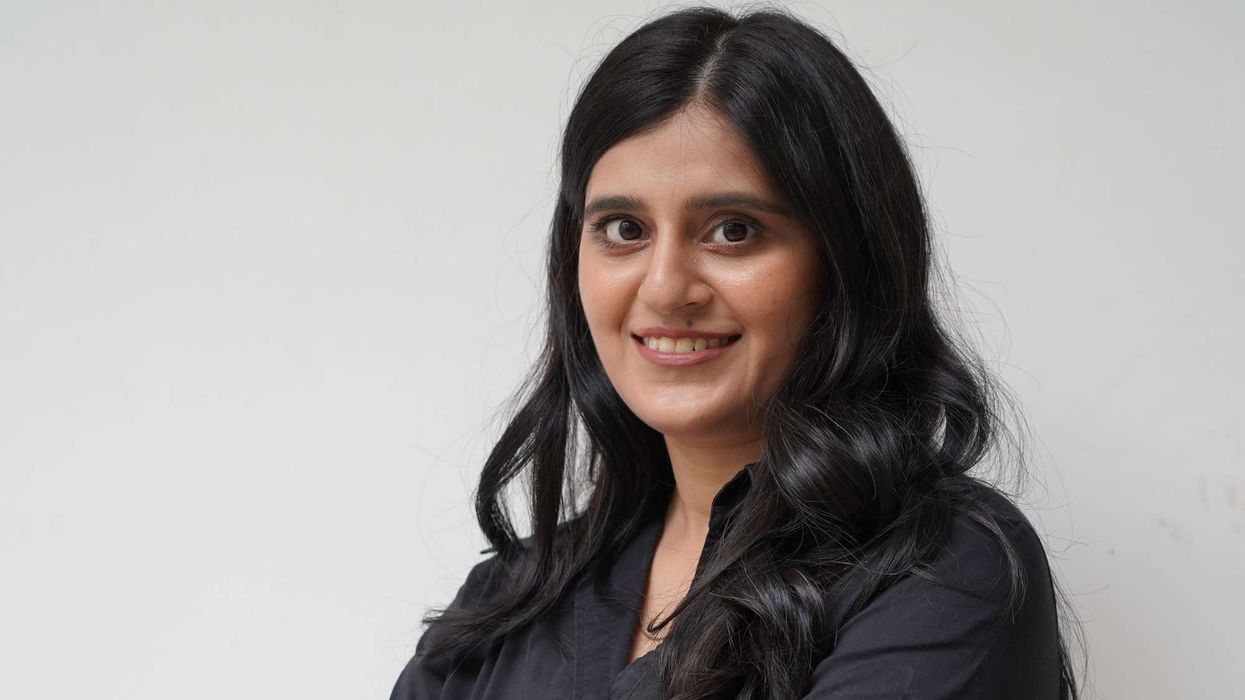
The Sattva Collective CIC (.www.thesattvacollective.org) is the UK’s first Community Interest Company dedicated specifically to South Asian women, midlife, and menopause. Founded by Kiran Singh (https://kiransinghuk.com/), herself a certified Midlife Lifestyle Coach and Menopause Wellness Coach, the organisation exists to create safe, culturally sensitive spaces where women can access education, share experiences, and reclaim dignity in midlife.
Through monthly Midlife Circle meet-ups, an online resource hub, and regular awareness campaigns, The Sattva Collective is making sure South Asian women know: you are not alone.
Looking forward, the organisation will host the Midlife & Menopause Summit in October 2026, timed with the Menopause Awareness Month, to bring together practitioners, experts, and women’s voices in a landmark event.
The stigma within
In South Asian families, women who express dissatisfaction in midlife are often told: “But your husband is a good man. Why complain?” Or: “It’s just ageing, everyone goes through it.”
But these dismissals hide a deeper truth: that emotional unavailability, loneliness, and invisibility are just as real as physical symptoms.
By naming these realities, The Sattva Collective empowers women to stop apologising for their needs and start demanding recognition, respect, and resources.
Awareness as empowerment
This Menopause Awareness Month, South Asian women deserve to be seen not as a cultural afterthought, but as central voices in the global conversation.
As Singh notes: “Silence leads to shame. Awareness leads to empowerment. When we speak, we break the cycle for the next generation.”
Moving forward
Eastern Eye readers are invited to support this movement by:
- Talking to mothers, sisters, and daughters about menopause.
- Sharing resources within families and community groups.
-Supporting organisations like The Sattva Collective CIC that are leading change.
This October, let us break the generational silence around menopausebecause every South Asian woman deserves to navigate midlife with dignity, confidence, and compassion.