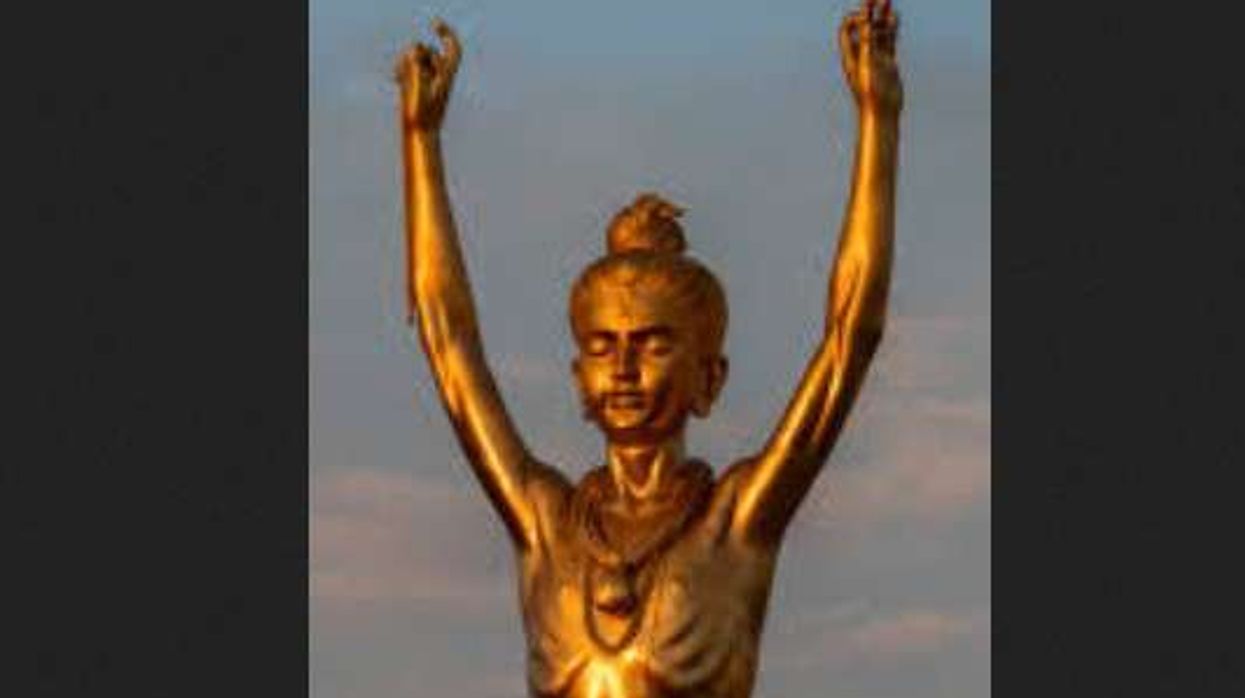

A 42-FEET bronze statue of Nilkanth Varni, the 18th-century yogi and spiritual figure, has been installed at the BAPS temple complex in Johannesburg, South Africa.
The statue was installed on Sunday at the Bochasanwasi Shri Akshar Purushottam Swaminarayan Sanstha (BAPS) temple, the largest BAPS temple in the southern hemisphere.
It is the tallest bronze statue in South Africa and ranks as the joint fourth-highest statue on the African continent, alongside the Moremi Statue of Liberty in Ile-Ife, Nigeria.
Depicted in a variation of the yogic posture Vrikshasana, the statue stands at the entrance of the temple complex. BAPS said it is intended to serve as a visible public symbol of discipline, youthful idealism and inner balance.
“More than a religious installation, the Nilkanth Varni murti (sacred image) represents values of self-discipline, perseverance, clarity of purpose and service to society,” BAPS media spokesperson Hemang Desai said.
The statue is cast primarily in copper and brass, weighs about 20 tonnes and is balanced on a single leg, which local experts described as an extraordinary engineering achievement.
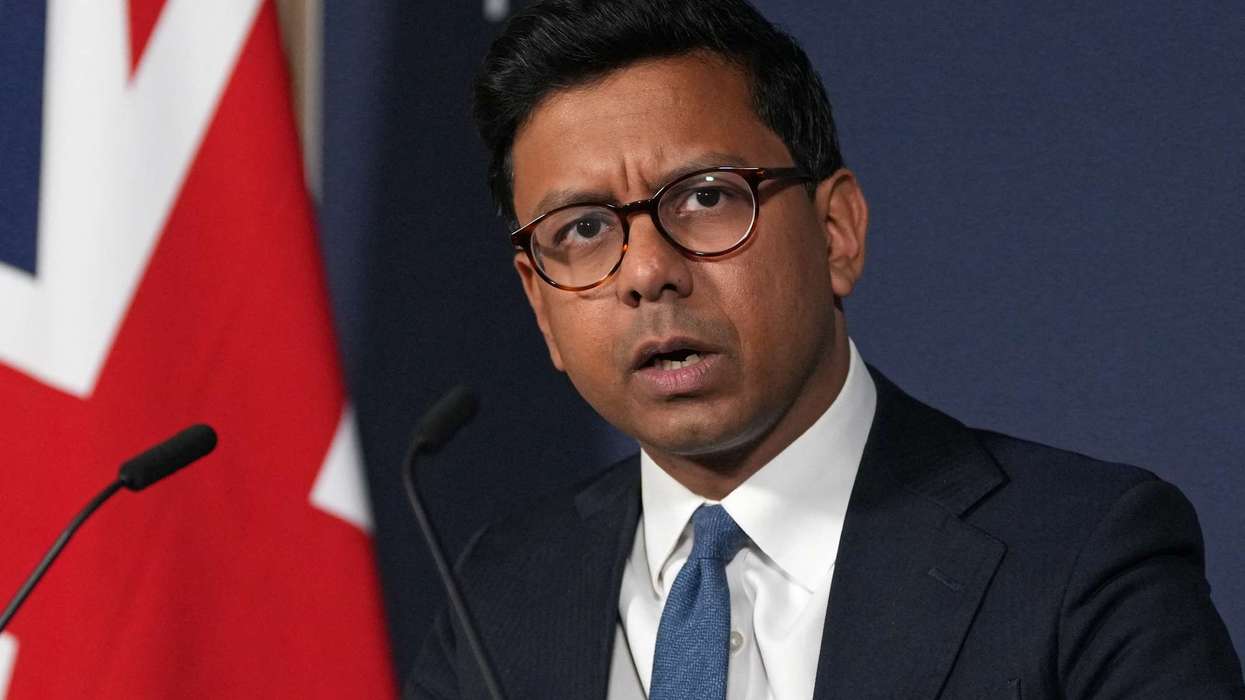
On Sunday evening, Swayamprakash Swami, one of the most senior monks in the BAPS Swaminarayan order, led the official handover ceremony in South Africa. The event was attended by South African Deputy Minister of Finance Ashor Sarupen, followed by a performance by a 60-man Indo-African orchestra for hundreds of guests.
Nilkanth Varni represents the teenage pilgrimage of Bhagwan Swaminarayan, who began a seven-year journey across the Indian subcontinent at the age of 11, covering more than 12,000 kilometres.
“With the BAPS vegetarian restaurant, Shayona, located adjacent to it, the Mandir complex increasingly serves as a welcoming public space for families, visitors and the wider community. It is also sure to add to the tourist route within the greater Johannesburg region,” he said.
(With inputs from agencies)