Skip to content
Search

Latest Stories

Submit Guest Post

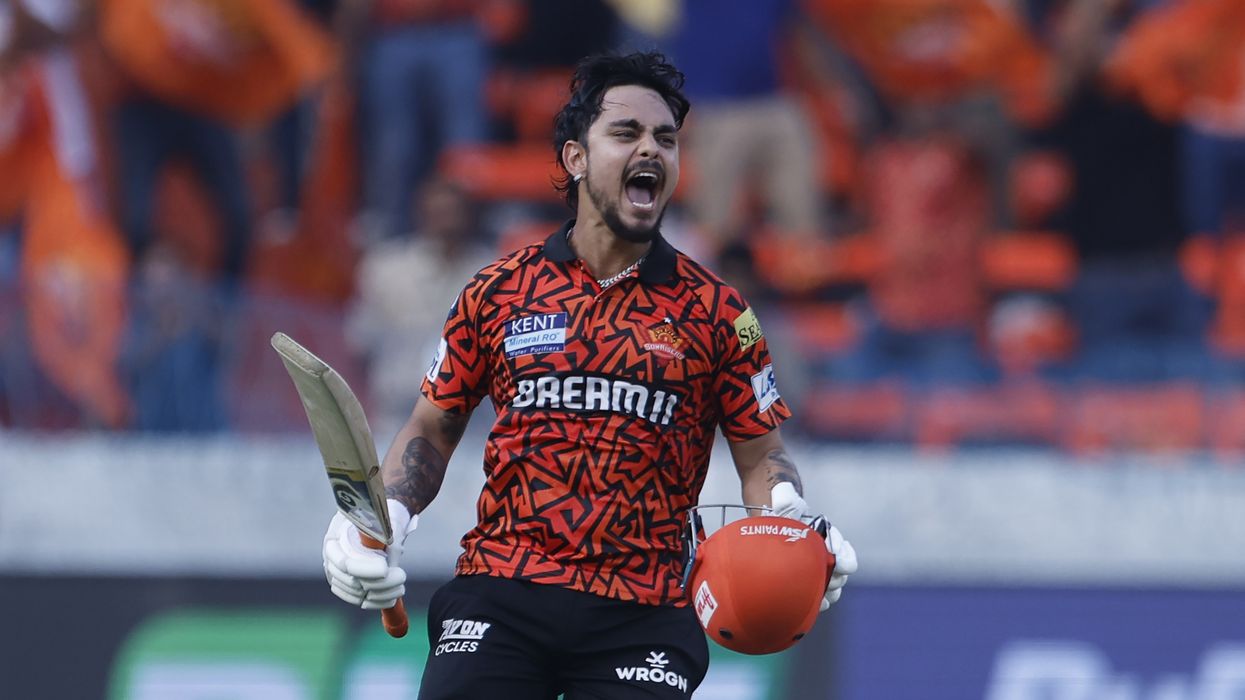
Sachin Tendulkar joins UNICEF 'Super Dads' campaign

Indian cricket great Sachin Tendulkar joins global celebrities David Beckham and Novak Djokovic for a special UNICEF campaign that highlights the critical role played by fathers in children's early development.

The UN initiative “Super Dads” celebrates fatherhood and highlights the role of love, play and good nutrition for the healthy development of young children.


Academy Award winning US actor Mahershala Ali, British Formula One racing driver Lewis Hamilton and Australian actor Hugh Jackman are other celebrities involved in the campaign.

"When I was a young child, my father gave me the right amount of love, freedom and support to shape who I am today," Tendulkar, a UNICEF Ambassador, said in a statement.

"Every kid needs protection, love, good food and play to support growth and development, and it's up to both parents to provide these," he said.

Djokovic said as a father, he has seen for himself the impact that love and positive action has had on his child during the early years of life.

"Being a new parent isn't easy. There are many challenges that fathers across the world face. This campaign is about supporting and encouraging fathers so they can be the Super Dads their kids desperately need," said the UNICEF Goodwill Ambassador.

Videos and photos of celebrity fathers in the campaign will be coupled with stories of super dads from across the world, including those who raising their children in less than privileged circumstances.

UNICEF added that good parenting in early childhood, especially during the first 1,000 days, sparks neural connections in children's brains, laying the foundation for their future successes. Research suggests that when children positively interact with their fathers, they have better psychological health, self-esteem and life-satisfaction in the long-term.

The 'Super Dads' initiative forms part of UNICEF?s #EarlyMomentsMatter campaign, which aims to drive increased understanding of how children's environments and experiences in early childhood can shape their future health, well-being, ability to learn, and even how much they will earn as adults.

Add EasternEye As Your Trusted Source
preferred source on google news

More For You

Tackling hostility against Muslims matters for everyone

Anti immigration protesters attend the 'Glasgow Reclaims The Streets From Far-right Hatred And Violence' anti-racism protest on June 13, 2026 in Glasgow, Scotland.

Getty Images

Tackling hostility against Muslims matters for everyone

Sunder Katwala

Born in the mid-1970s I felt part of a lucky generation, which gained from pushing back the overt racism of that era. When we talk about stronger “social norms”, what we mean is that few people thought that monkey chants at the football or racist jokes on the telly were normal anymore – while more had Asian and black colleagues, neighbours and friends.

That past progress is put to the test today. A terrible crime in Belfast saw organised efforts at indiscriminate racist attacks on migrants and ethnic minorities, whose only connection to the crime was the colour of their skin. Those seeking to make racism fashionable again have the online megaphone of the world’s richest man, Elon Musk, on their side.

Past progress could be experienced unevenly, too. Being of mixed Indian and Irish Catholic parentage, I saw both identities rise in status once the BBC comedy Goodness Gracious Me inverted who could tell the jokes, and peace broke out in Northern Ireland. Yet, British Muslims of my generation felt under more intense scrutiny after the 9/11 terrorist attacks.

Efforts to tackle anti-Muslim hatred risked being stalled by arguments over what to call it and how to define it. The government’s new definition of anti-Muslim hostility seeks to transcend the confusion that the term “Islamophobia” could generate. But the challenge is not just to define the prejudice – but to find effective ways to shrink it.

There are sobering findings on the starting points in new research from British Future and the British Muslim Trust. More than half of British Muslims report experiencing prejudice based on their religion last year – a quarter in person and over a third online. A third of the public hold mostly negative views. One in six endorse sweeping and often indiscriminate hostility. Anti-Muslim hostility can have about twice the social reach as prejudice against other faith or ethnic minorities.

Tackling this hostility cannot be the responsibility of Muslims alone. It will take a whole-of-society effort. After all, this is foundationally about the attitudes towards a six per cent minority group, held among the 94 per cent of us who are not Muslim.

Keep ReadingShow less