
Highlights
- Classical dance and devotional music marked a spiritually rich Shivaratri celebration in London
- Production conceptualised by Ragasudha Vinjamuri of the Sanskruti Centre for Cultural Excellence
- Verses from the Kakatiya Kingdom presented through multiple dance traditions
- Kathak performance by Kajal Sharma among the evening’s standout moments
A devotional tribute rooted in literary heritage
London marked Maha Shivaratri with an immersive cultural evening as Rudra Varenyam unfolded at Bharatiya Vidya Bhavan on 20 February. Conceived as an artistic homage to Lord Shiva, the production explored themes of stillness, cosmic balance and transformation through classical performance traditions.
Drawing on historic devotional literature, the programme featured verses associated with the Kakatiya period, including works of Palkuriki Somanatha, presented internationally through Bharatanatyam, Kuchipudi and Kathak.
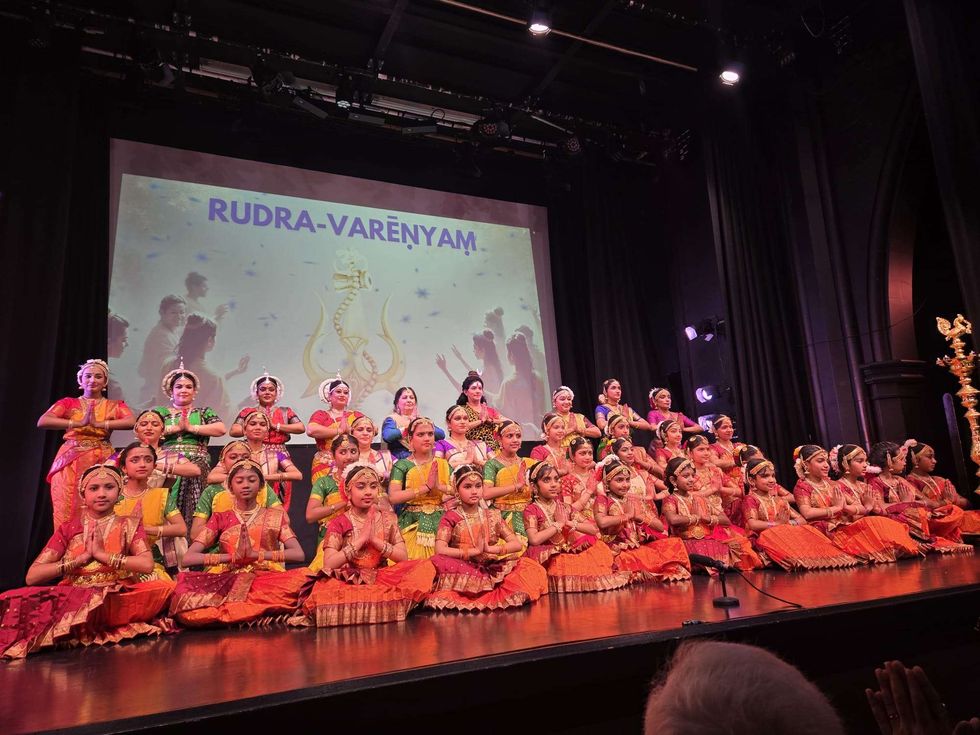 The transitions between styles created a layered portrayal of India’s intangible cultural heritageMahesh Liloriya
Interweaving classical forms and sacred compositions
The repertoire also incorporated compositions attributed to Adi Shankaracharya, Chakrapani Ranganatha and Patanjali, interpreted through Odissi, Mohiniattam, Kuchipudi and Bharatanatyam. The transitions between styles created a layered portrayal of India’s intangible cultural heritage.
Original arrangements of Shiva stotras deepened the contemplative tone, while choreography evoked Shiva as Nataraja — symbolising creation, preservation and dissolution.
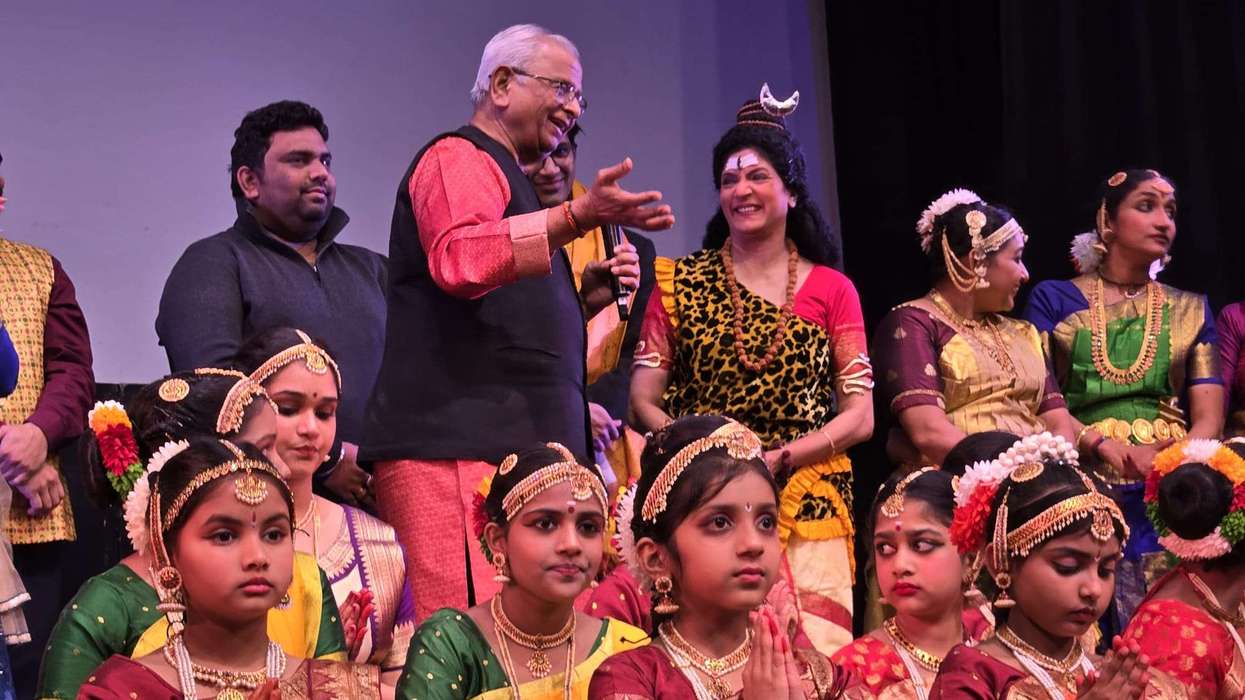
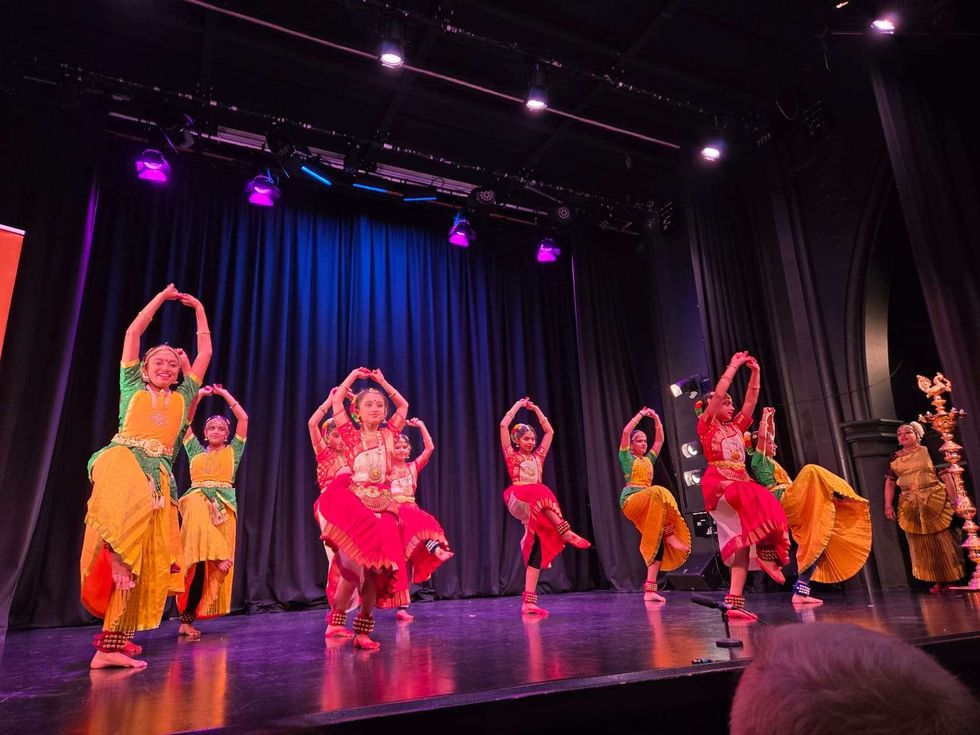 The evening was anchored by Ritesh S. NigamMahesh Liloriya
Kathak highlight and community participation
A notable moment came with a Kathak recital by Kajal Sharma, a senior disciple from the lineage of Birju Maharaj. Her interpretation of Somanatha’s poetry drew strong audience appreciation and added depth to the presentation.
The evening was anchored by Ritesh S. Nigam and brought together performers’ families, volunteers, sponsors and community members, reflecting a collaborative cultural effort.
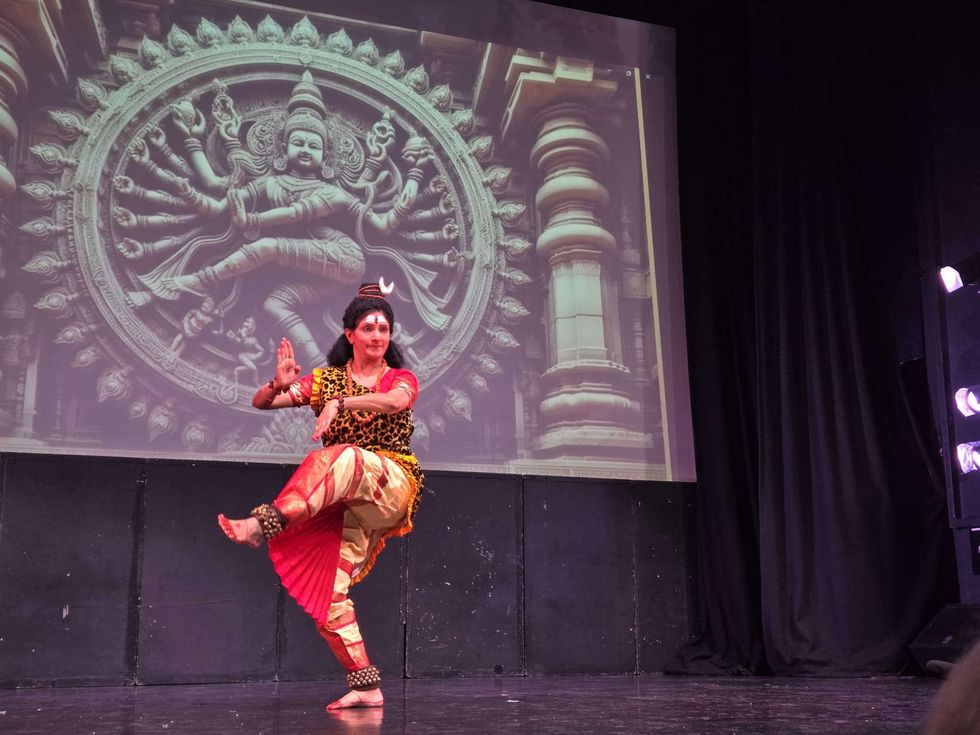 Choreography evoked Shiva as Nataraja — symbolising creation, preservation and dissolutionMahesh Liloriya
Continued support for Indian arts in Britain
Organisers extended thanks to M. N. Nandakumara and the Bhavan team for their ongoing role in promoting Indian arts in the UK, reinforcing the institution’s position as a key cultural platform for diaspora audiences.


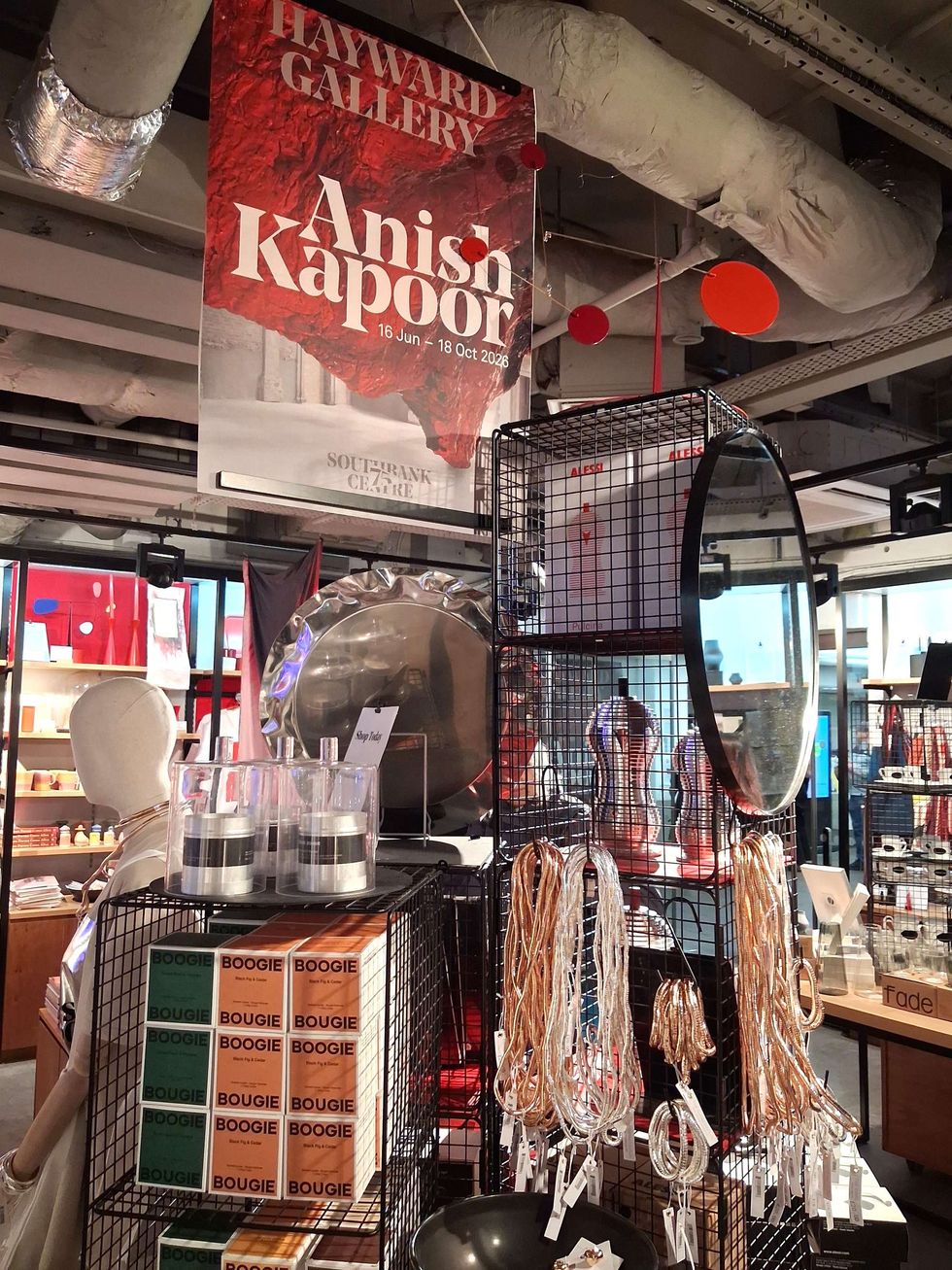 Anish Kapoor merchandise in the Hayward Gallery shopEastern Eye
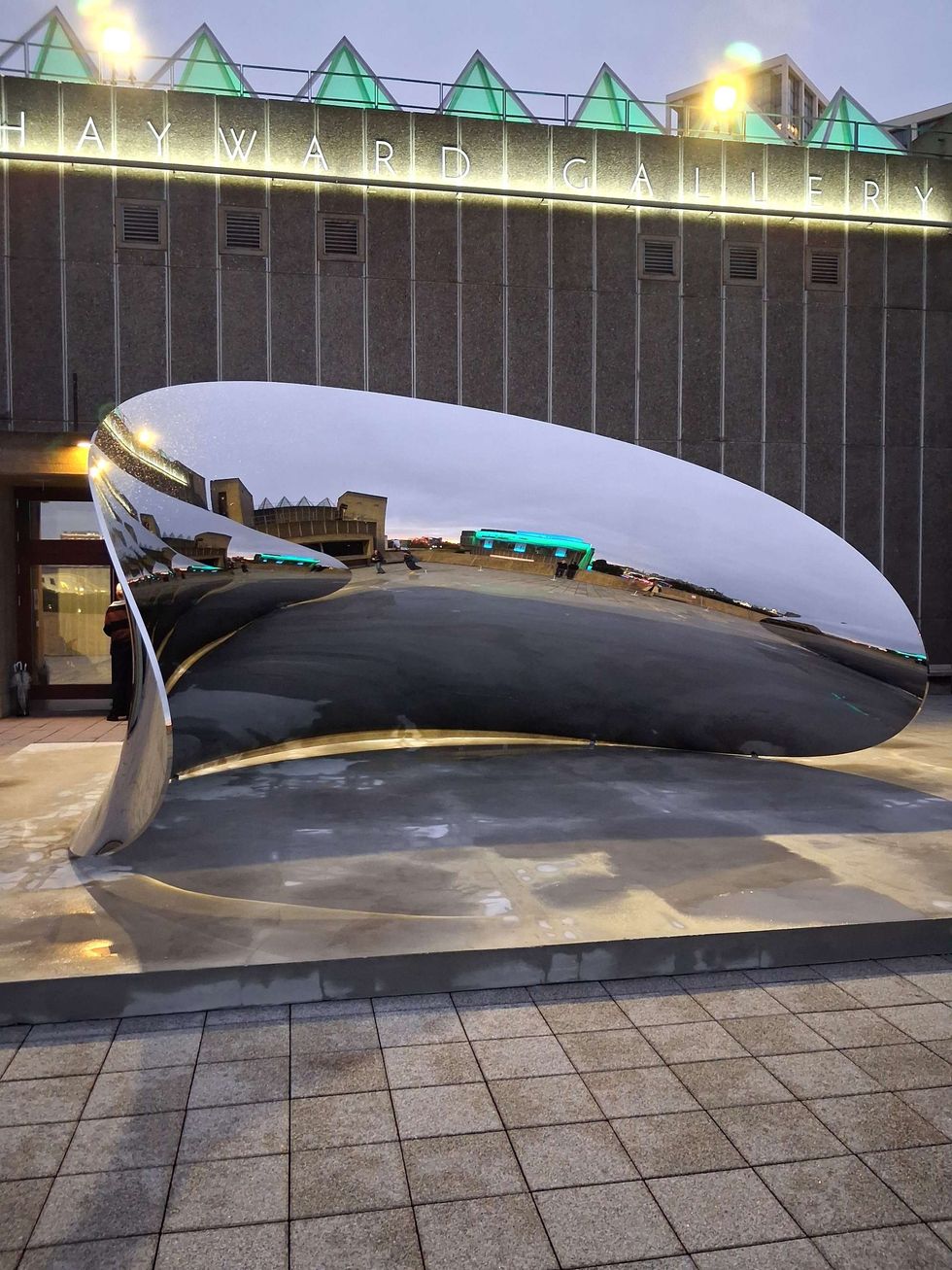 TsunamiEastern Eye
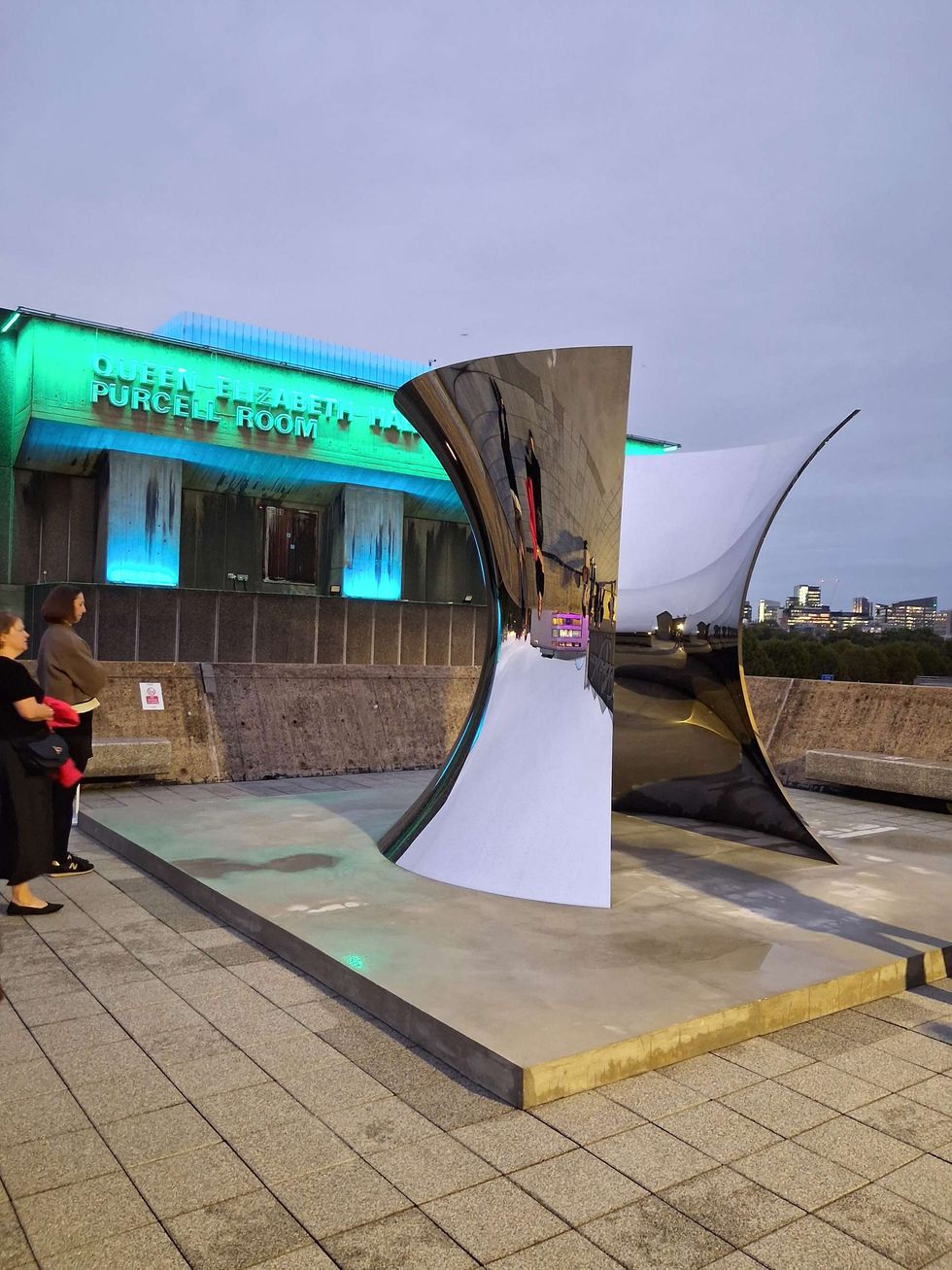 CloakEastern Eye
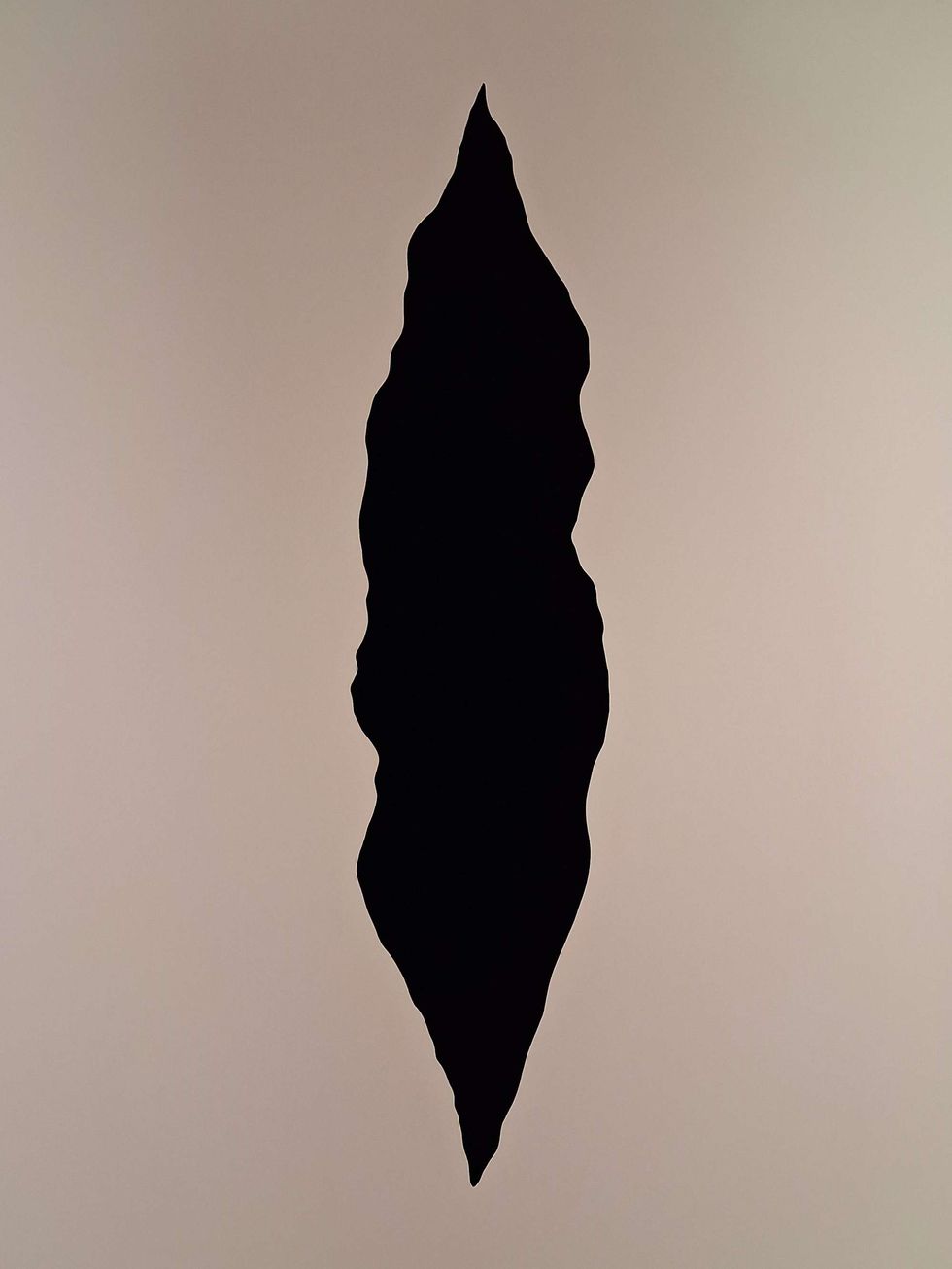 Untitled (work in Vantablack)Eastern Eye
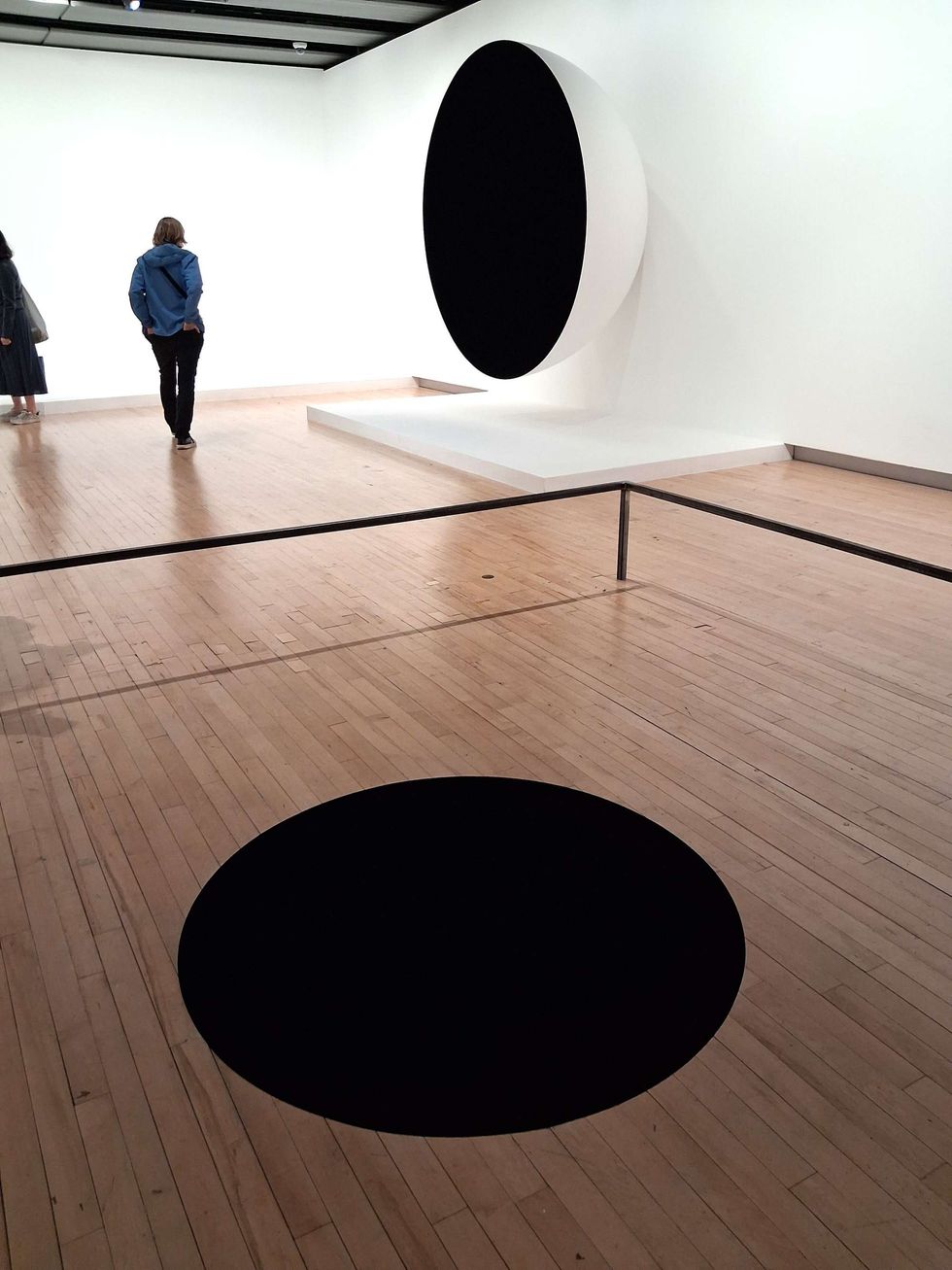 Descent into limbo (work in Vantablack)Eastern Eye
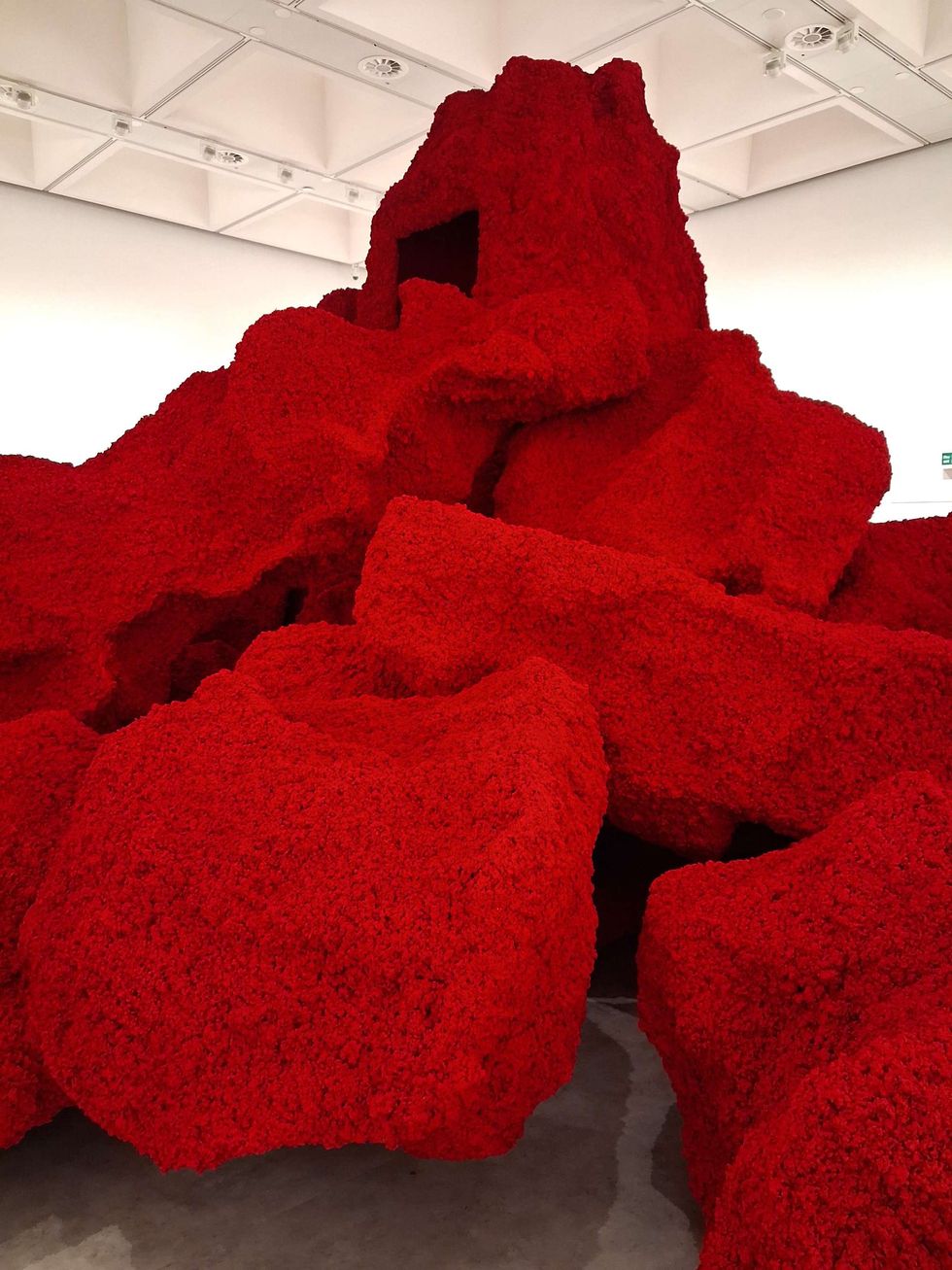 Ha MakomEastern Eye
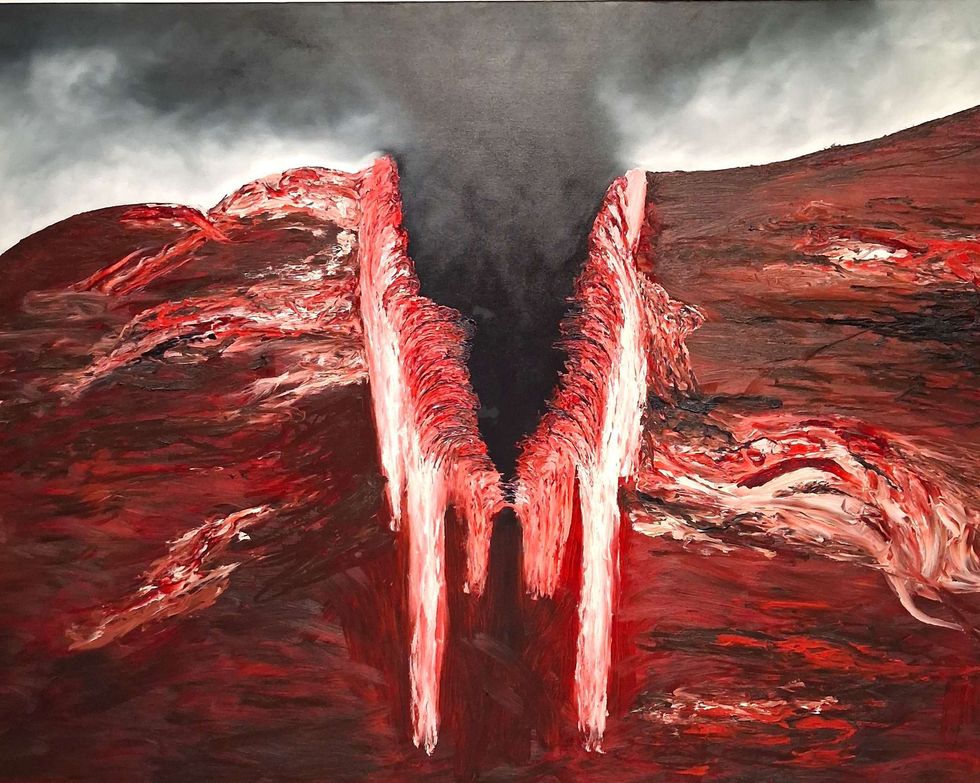 The Dark (oil on canvas)Eastern Eye
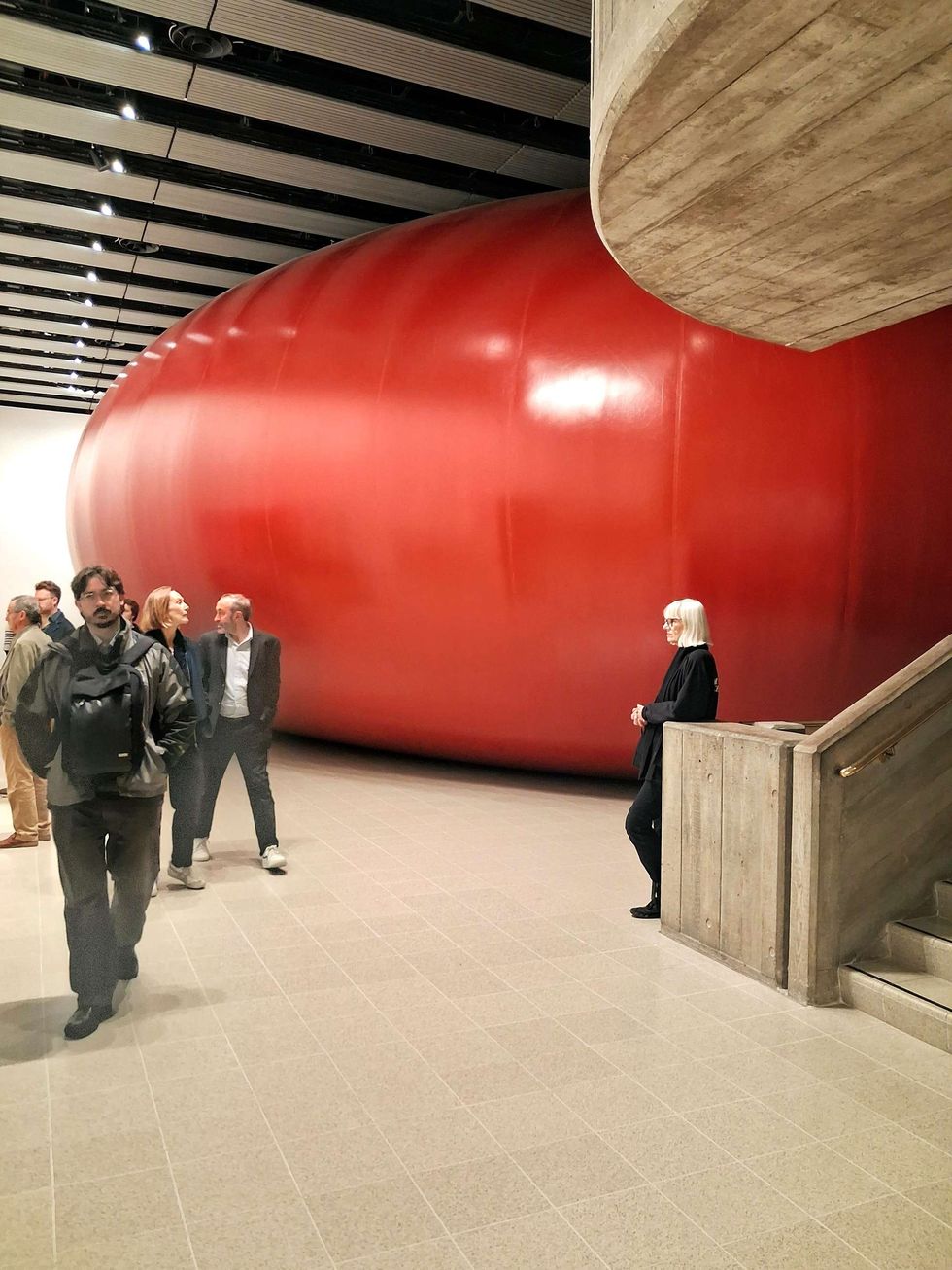 All is NothingEastern Eye
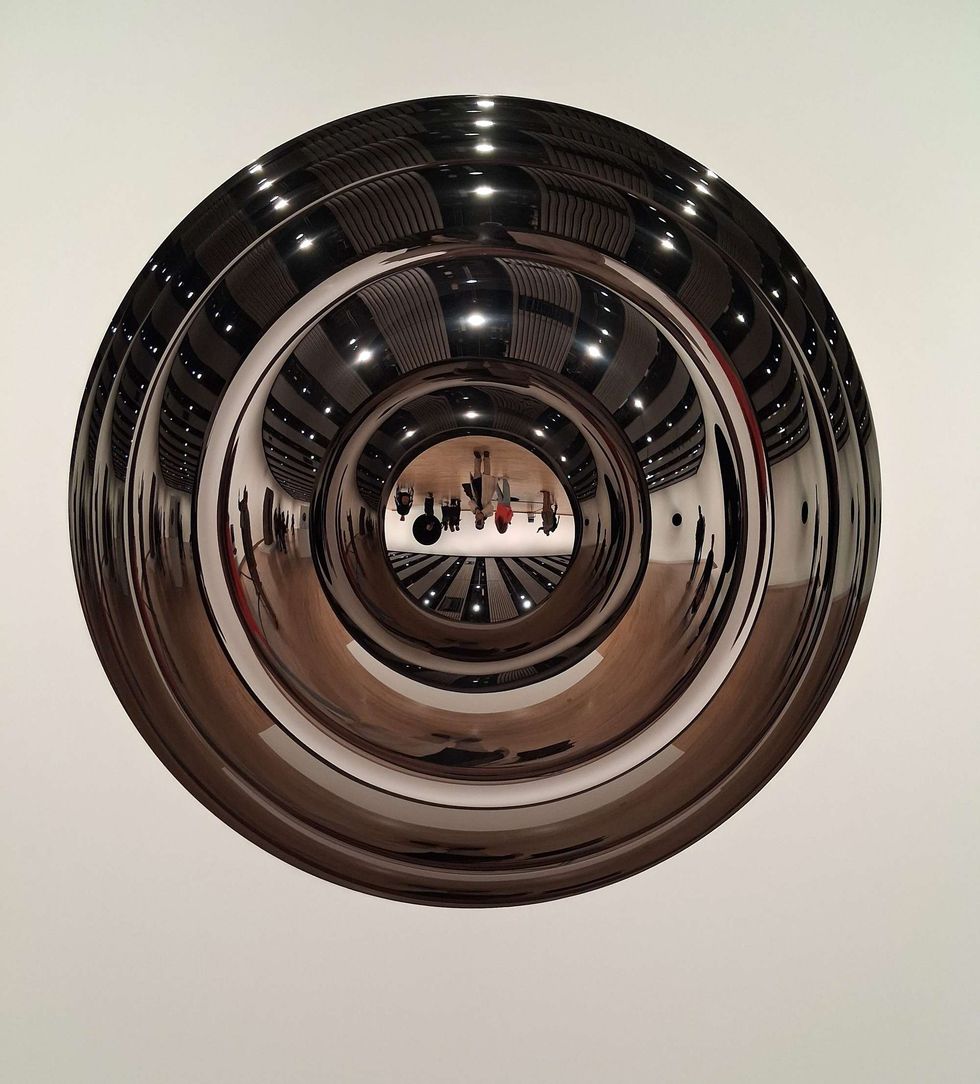 IrisEastern Eye
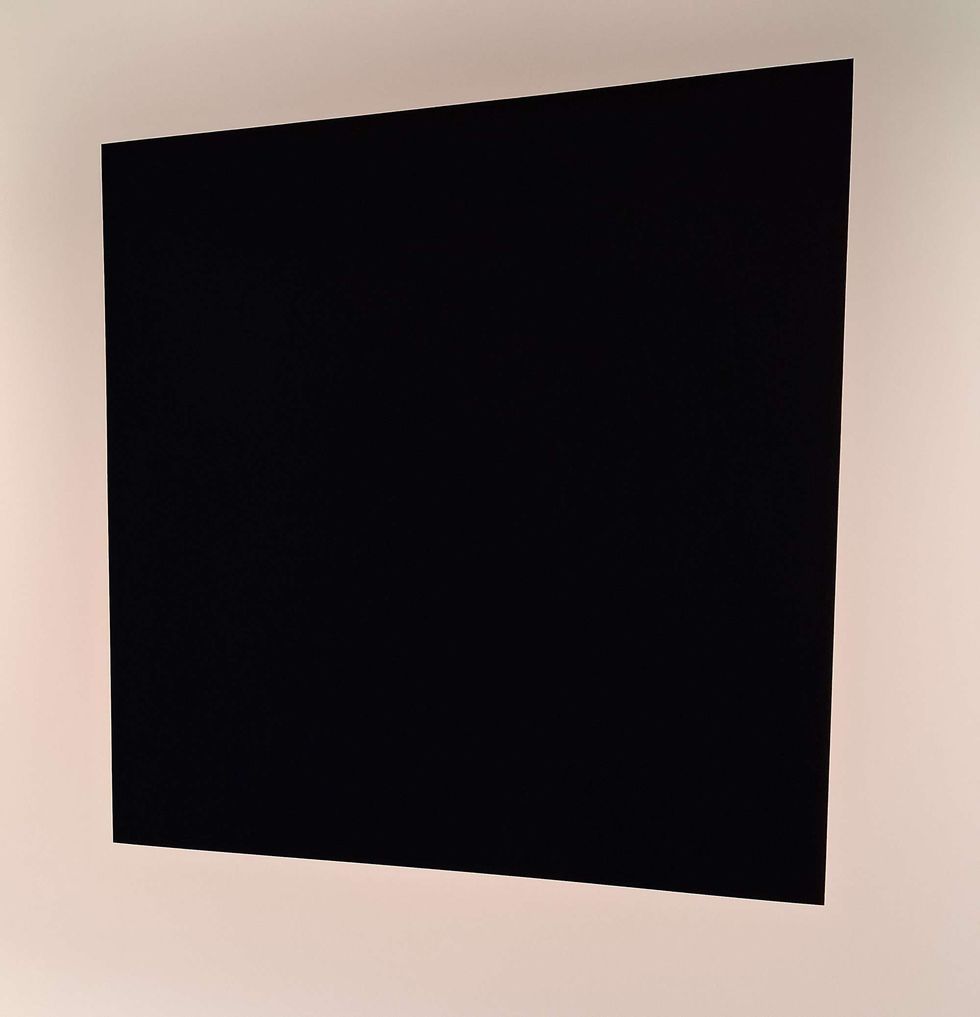 Untitled (work in Vantablack) Eastern Eye
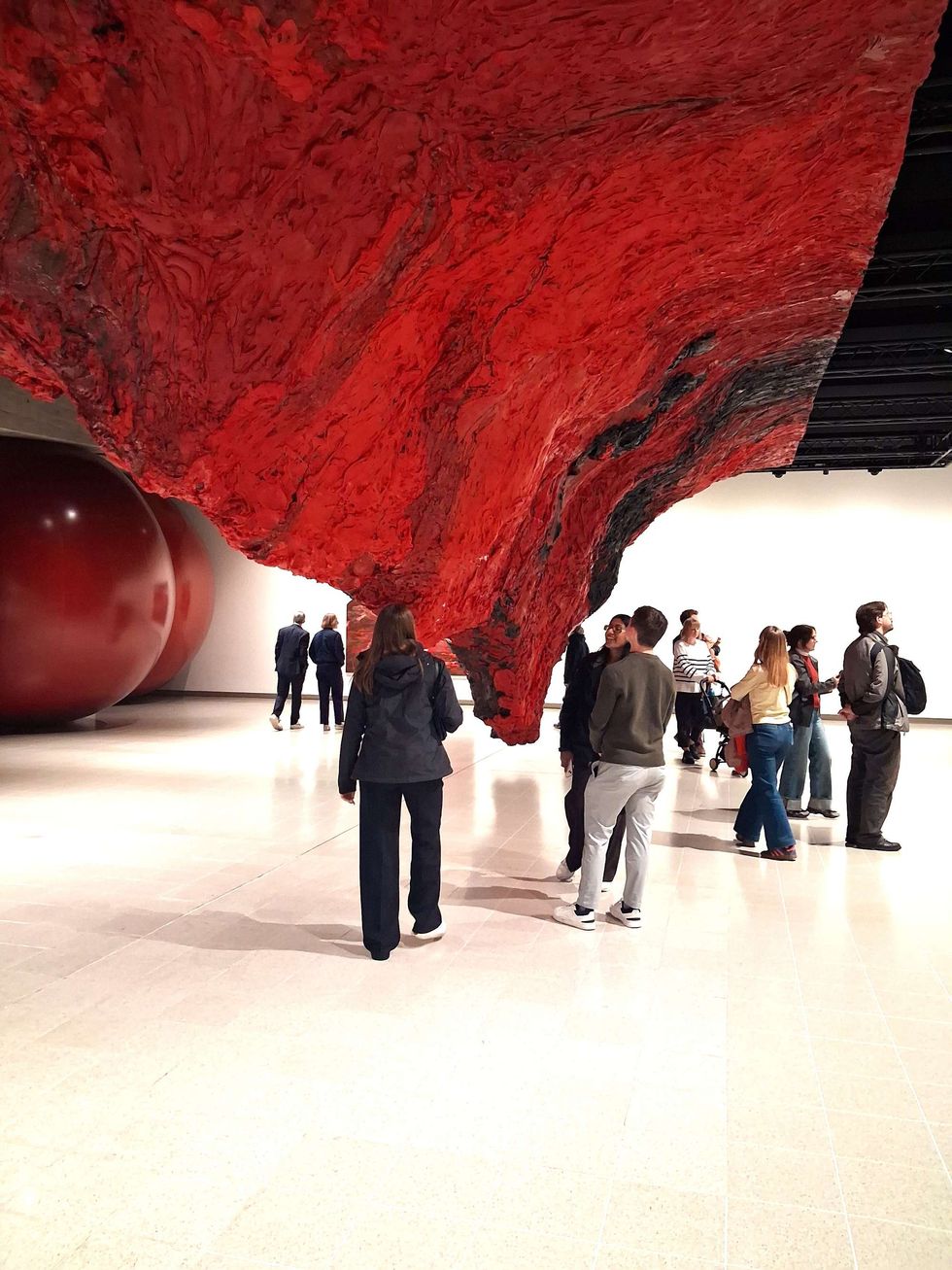 Mount Moriah at the Gate of the GhettoEastern Eye
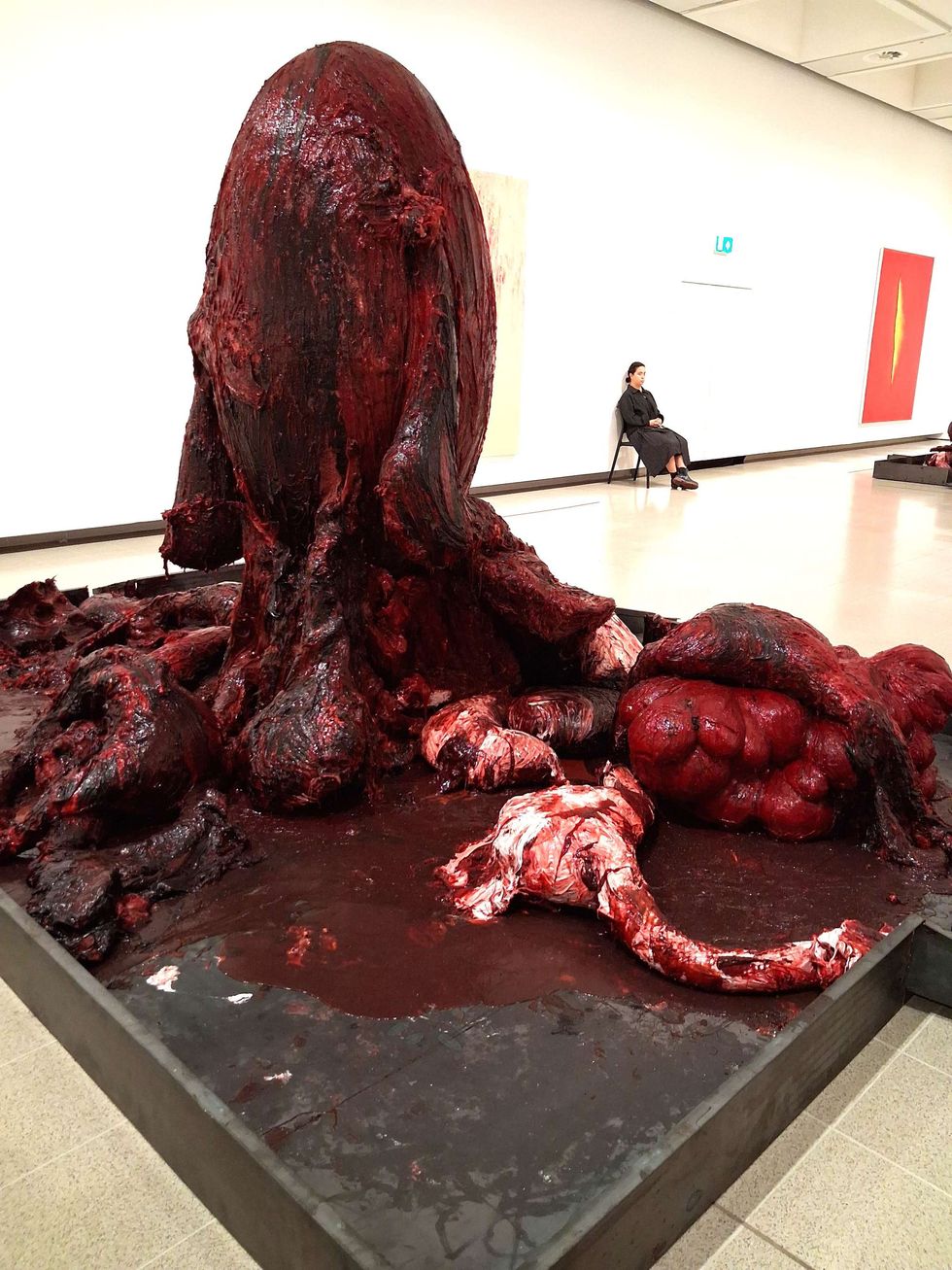 Interior of the body: evocation of ritual sacrificeEastern Eye