
- Up to 2,500 head-office and support jobs are expected to go by the end of 2027.
- Frontline posties and drivers are not included in the proposed cuts.
- Royal Mail delivered just 75.7 per cent of first-class letters on time in 2025/26.
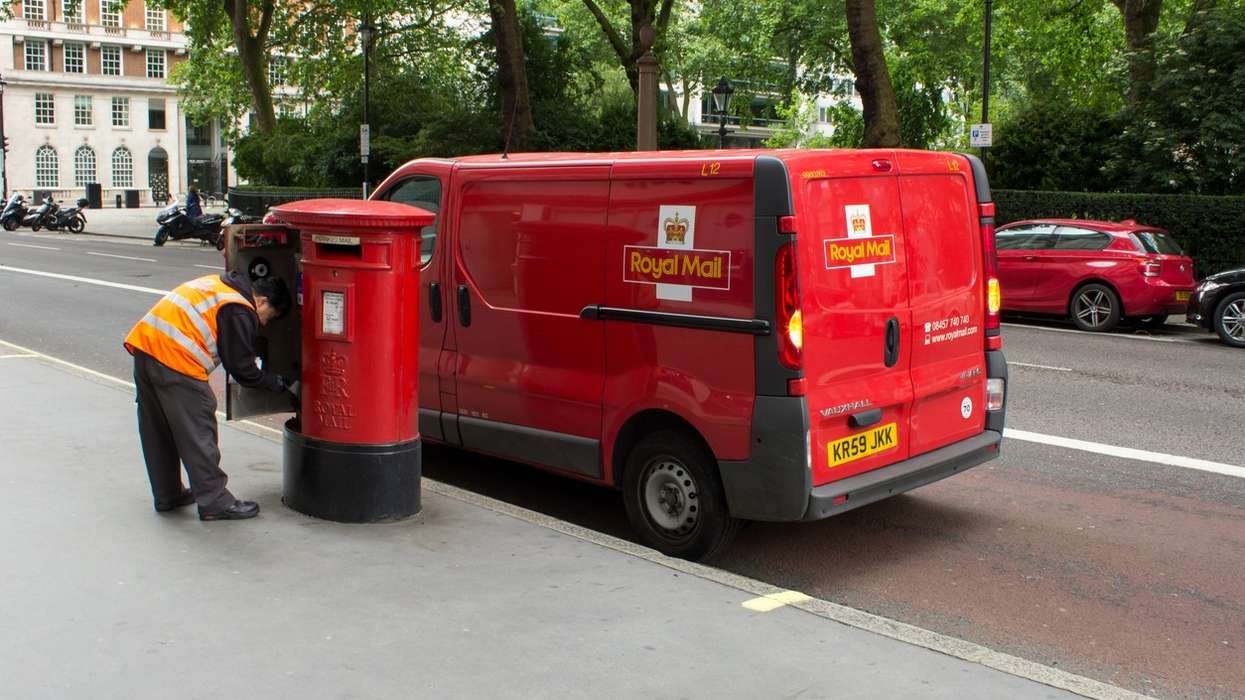
Royal Mail is planning to cut up to 2,500 jobs as the UK postal service battles falling letter demand, tougher competition and persistent delivery problems.
The proposed cuts, which represent less than 2 per cent of Royal Mail’s more than 131,000-strong workforce, will affect head-office and other support functions. The company said they would be achieved through voluntary redundancies and people leaving naturally, rather than compulsory redundancies. Frontline roles including posties and drivers are not part of the restructuring.
The announcement comes as Royal Mail tries to simplify its operations and redirect money towards improving the service. Chief executive Alistair Cochrane said the changes would “remove duplication” and allow the company to invest further in the service it delivers to customers.
“The proposed changes will not be easy, but they are an important part of building a stronger, simpler and future-ready Royal Mail for our customers and colleagues,” he said.
Royal Mail is in formal consultation with the Communication Workers' Union (CWU) and Unite over the plans.
Why is Royal Mail cutting 2,500 jobs?
The underlying problem is that the traditional letters business has shrunk dramatically.
Royal Mail has said letter volumes have fallen by more than 70 per cent from their peak. Ofcom said Royal Mail delivered around 6.5 billion letters in 2025, compared with about 20 billion a year two decades ago, and expects volumes to fall further.
At the same time, customers are increasingly relying on parcels and other delivery services. That leaves Royal Mail with fewer letters over which to spread the fixed costs of its nationwide network.
The company is therefore trying to become more efficient while investing in areas where demand is growing, particularly parcels.
The changes also come after reforms to the Universal Service Obligation (USO), the legal framework governing Royal Mail's nationwide postal service.
From April 2026, second-class letters can be delivered on alternate weekdays rather than requiring six-day delivery. First-class letters remain covered by a six-day-a-week requirement.
Royal Mail has also committed to investing £500 million over five years to improve its delivery performance.
But the company continues to face criticism over the reliability of its service.
In the year to the end of March 2026, Royal Mail delivered just 75.7 per cent of first-class letters within one working day, against the then target of 93 per cent.
For second-class mail, 90.2 per cent was delivered within three working days, compared with a target of 98.5 per cent.
Ofcom opened an investigation into Royal Mail's performance in June, while the company has previously been fined for missing its delivery targets.
What do the job cuts mean for customers and Royal Mail workers?
Royal Mail insists the restructuring is aimed at reducing duplication and improving efficiency rather than cutting frontline delivery capacity.
That distinction matters because posties and drivers are not included in the proposed reduction. The company says the 2,500 roles will be removed through voluntary redundancy and natural departures.
The CWU, however, has strongly criticised the announcement.
Despite Royal Mail's assurance that there will be no compulsory redundancies, deputy general secretary Martin Walsh told the BBC that the plans were “further evidence of a company that is demoralising staff and failing to deliver for customers and the wider community”.
“We urge the government to confront the reality of a collapsing Royal Mail and intervene to save this national institution,” he added.
The debate comes as more than 100 MPs have written to Ofcom and the business secretary over complaints about poor postal services in their constituencies.
For Royal Mail, the challenge is therefore bigger than reducing its headcount. It needs to show that savings can be redirected into a more reliable service while the number of letters being sent continues to fall.
The company is owned by Czech billionaire Daniel Křetínský's EP Group, following its takeover of Royal Mail's parent company, International Distribution Services.
Křetínský has previously said he would not walk away from the requirement to deliver letters throughout the UK six days a week for as long as he runs the service.
The next stage will be the consultation with unions and implementation of the proposed workforce changes. The longer-term test will be whether Royal Mail can become financially sustainable without allowing its traditional postal service to deteriorate further.
For customers, the measure of success will be much simpler: fewer late letters, more reliable deliveries and a postal service that can survive in a world where people are sending far fewer letters.