
- London faces fresh disruption as talks continue.
- The union says longer shifts could increase fatigue and create safety concerns.
- Fresh talks are planned as Transport for London tries to avoid disruption.
London Underground passengers could face fresh travel disruption next week as Tube drivers prepare for strike action in a dispute over proposed changes to working patterns.
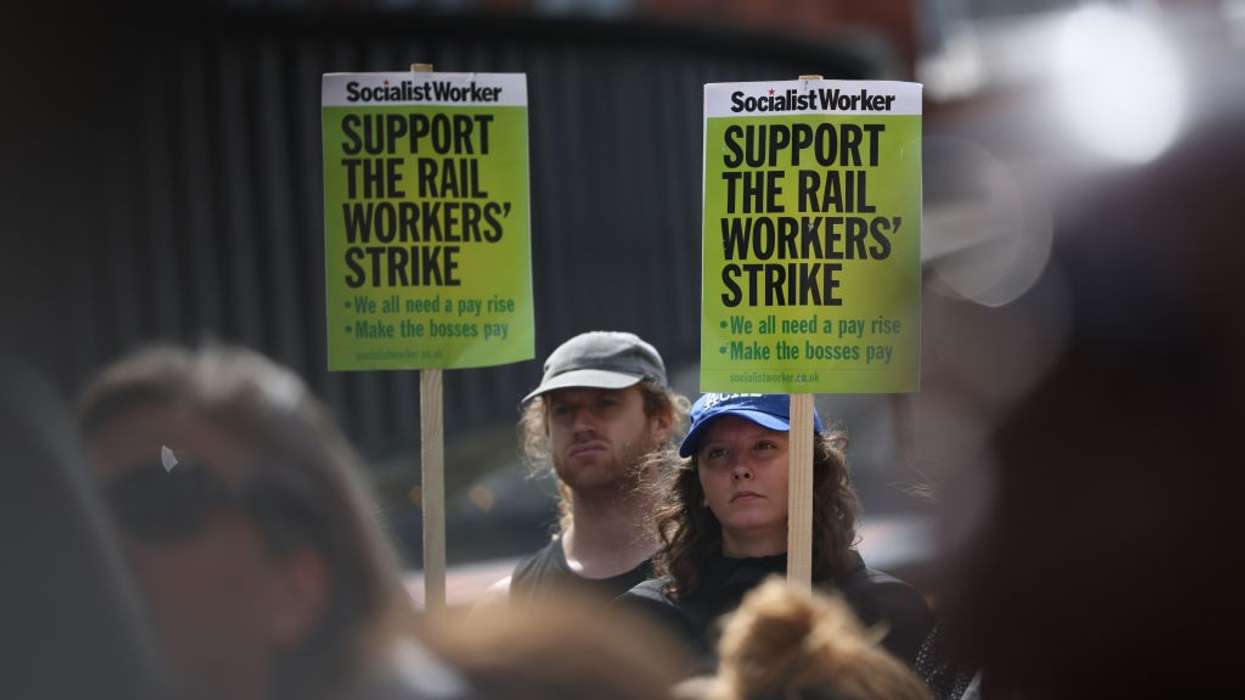
The planned London Tube strikes are linked to Transport for London's proposed four-day working week for drivers. While the offer includes no reduction in pay and is described by TfL as voluntary, the RMT union argues the changes raise concerns around fatigue, shift patterns and workplace safety.
Fresh talks between TfL and union representatives are scheduled for June 1 in what could prove to be a final attempt to avoid industrial action. However, the union has indicated that strikes remain on track unless significant progress is made.
The four-day week at the centre of the row
At the heart of the dispute is TfL's proposal to allow Tube drivers to work their existing hours over four days instead of five.
TfL says the arrangement would be voluntary and would give drivers greater flexibility without affecting pay. The organisation has also sought to reassure staff that nobody would be forced to adopt the new working pattern.
The RMT sees the proposal differently.
The union has described the plan as a "fake" four-day week, arguing that it effectively compresses five days' worth of work into four longer shifts. Union officials say members have raised concerns about fatigue, reduced flexibility and the potential impact on a safety-critical role.
"Strike action by London Underground drivers next week is scheduled to go ahead following TfL's continued refusal to engage meaningfully with the union's concerns," an RMT spokesperson reportedly said.
The union added that it remains open to further discussions but wants stronger guarantees on safety and working conditions before any changes are introduced.
Divisions emerge over the deal
The dispute has become more complicated because not all unions agree on the proposed reforms.
Aslef, which also represents Tube drivers, has backed the plans and described them as one of the biggest improvements to drivers' working conditions in decades.
According to Aslef, the changes would reduce average weekly rostered hours from 36 to 34, provide drivers with an additional 35 days away from work each year and make it easier to arrange longer breaks and annual leave.
The differing positions have raised questions about the level of support for the strike action. During previous walkouts in April, more than half of Underground services continued to operate and some RMT members reported for work.
TfL says it remains hopeful that an agreement can still be reached.
Claire Mann, TfL's Chief Operating Officer, reportedly said the organisation believed the issues raised by the union could still be resolved through further discussions.
If no agreement is reached, RMT drivers are expected to strike on June 2 and June 4.
TfL has warned that several lines could face severe disruption, with some sections of the network expected to have little or no service. Other transport options, including the Elizabeth line, London Overground, DLR and tram services, are expected to operate but could become significantly busier.
For passengers, the immediate concern is disruption. For TfL and the unions, the bigger question may be whether a proposed four-day week can be introduced without triggering a wider dispute over working conditions on one of the UK's busiest transport networks.






 Raageshwari LoombaMahesh Liloriya
 Raageshwari LoombaMahesh Liloriya
 WinnersMahesh Liloriya