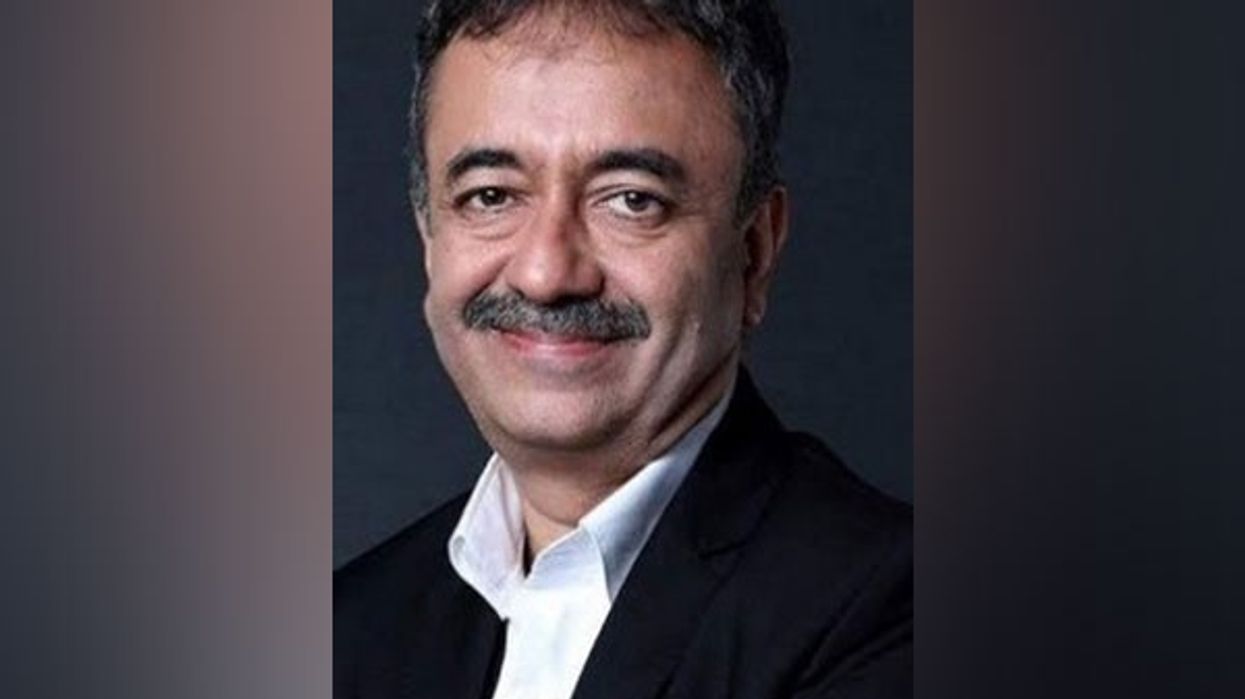

Ace filmmaker Rajkumar Hirani has been invited to the Shanghai International Film Festival (SIFF) as a film representative.
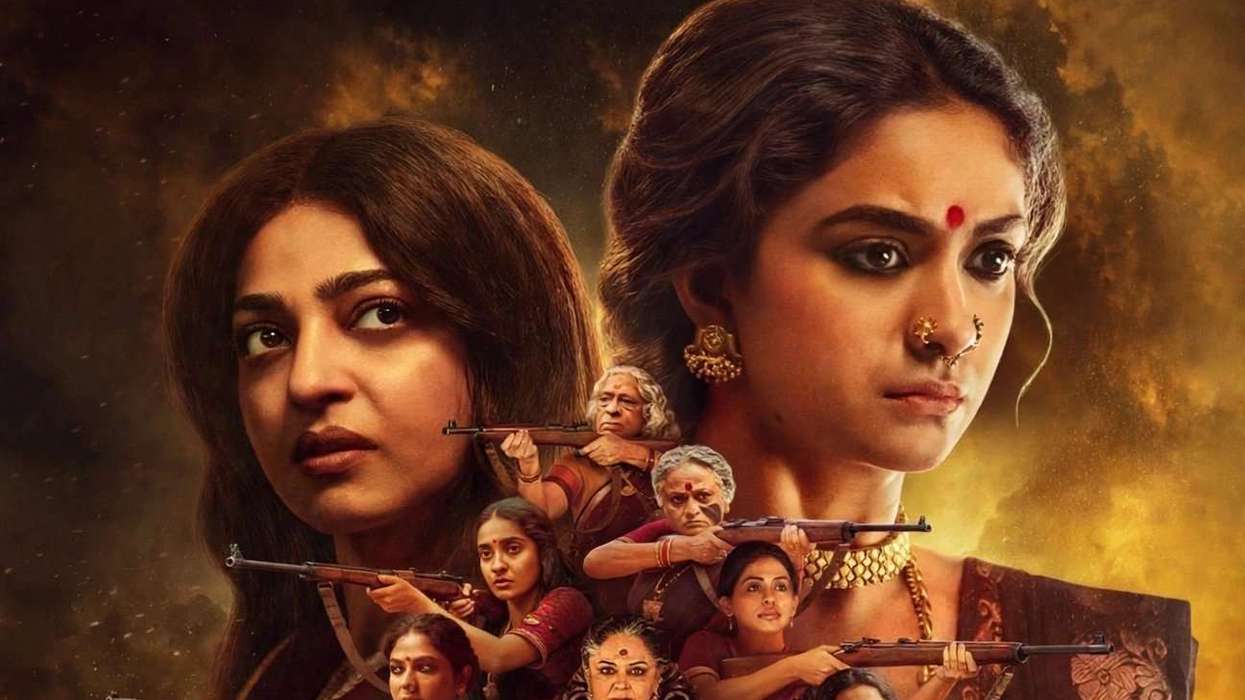
Interestingly, his last directorial Dunki will be screened at the festival, which kickstarted on June 14.
As per the information shared by Rajkumar Hirani's team, there will be three screenings of Dunki, which stars Shah Rukh Khan in the lead role.
Dunki focuses on the issue of immigration. Its title is taken from the term "donkey journey," which refers to the long, winding, and often dangerous routes that people across the world take to reach the places they want to immigrate to.
Released in December 2023, Dunki also stars Taapsee Pannu, Vicky Kaushal, Boman Irani, Anil Grover, and Vikram Kochhar.
Talking about the entire idea behind the movie and the kind of research he did for it, Rajkumar Hirani in an interview with ANI shared, "When we did the research, we found that about 7 per cent of people in the country have a passport. Many people dream of going abroad but very few get the visa. It is very difficult. We want unique stories for making a film and I found it good."
He continued how he started working on the film and said, "When we were filming PK in Italy, I noticed an Indian standing in the Town Square like a Statue of Liberty. I asked him about his identification, but he didn't respond. People over there informed me he might be living there illegally and doing it for money. That was the first time I learned about Indians living illegally in other countries. Later, I saw photos of Punjabi people building aeroplanes on the roofs of their homes. This piqued my interest. Then I discovered that there are streets in Punjab where visa agents can be found; they are known as visa streets, and there are thousands of agents on the streets, as well as English-speaking classes."
"I attended a few classes and found people of different age groups, especially from villages taking those classes. I realized that many people dream of going abroad there."
"I've also met people in the United States who want to return home but are unable to do so since they are in the country illegally and came there via the Dunki route. I tried to understand their stories and discovered it was a perfect subject for my film," the filmmaker stated.