
- 109 redundancies confirmed in Glasgow and Bellshill.
- Stores remain open for clearance sales, no refunds offered.
- Third administration in six years for the high street chain.
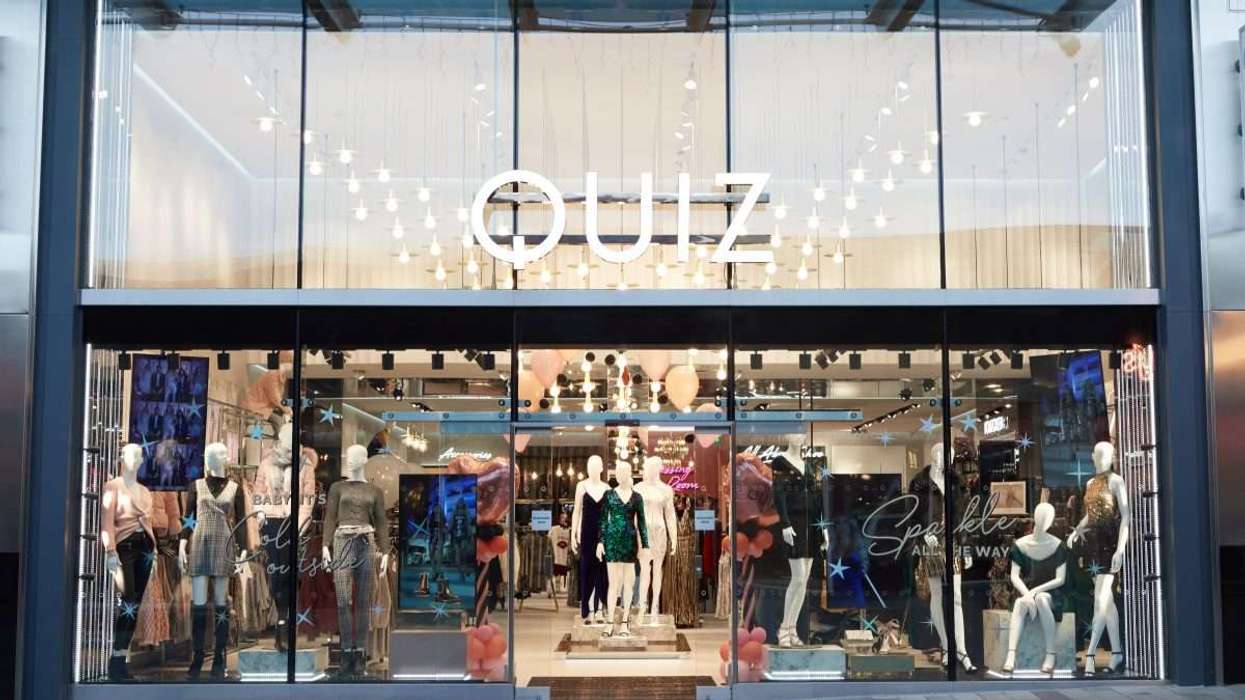
Fashion chain Quiz has entered administration for the third time in six years, with 109 staff in Scotland set to lose their jobs.
The redundancies will affect employees at the company’s head office in Glasgow and its distribution centre in Bellshill, Lanarkshire. In total, Quiz employs around 565 people across 40 UK stores.
Administrators said the retailer had struggled over the past year, with weaker-than-expected sales over the Christmas period pushing it into further financial trouble. The business, founded in 1993 and known for targeting 16 to 35-year-old women, had previously raised more than £100m when it listed on the London Stock Exchange in 2017.
Stores open, but refunds halted
Interpath, the restructuring adviser handling the process, said the chain’s 40 standalone stores and seven concessions will remain open for now and will launch immediate clearance sales. However, refunds will not be accepted.
Products bought on or after February 5 will not be eligible for return unless faulty. Items purchased before February 5 can be exchanged in person, but cash or card refunds will not be issued. Customers who have already returned online purchases but are awaiting refunds have been advised to contact their card provider. Gift cards and credit notes will no longer be honoured.
Interpath clarified that Quiz concession stands operating within New Look and Matalan stores in the UK are not part of the administration process.
The firm cited “strong economic headwinds” over the past 12 months, including shifting consumer habits, rising business rates and increased employment costs. Clothing retailers have faced growing competition from ultra-fast-fashion brands such as Shein, particularly as more shoppers move online.
Alistair McAlinden, joint administrator and head of Interpath in Scotland, reportedly said it had been a difficult start to 2026 for the UK high street, as quoted in a news report. He added that the intention is to continue trading stores and concessions in Ireland as a going concern while options for the business are assessed.
A familiar pattern
This is not the first time Quiz has found itself in this position. In 2020, the company placed 82 shops in the UK and Ireland into administration before buying them back in a move that allowed it to renegotiate rents with landlords. Ninety-three jobs were cut at that time.
Less than a year ago, in February 2025, the retailer collapsed again. It was immediately bought by Orion, a subsidiary controlled by the founding family. Orion acquired the brand and 42 stores, though around 200 jobs were lost as other outlets shut.
The latest administration raises fresh questions about the resilience of mid-market fashion chains on the UK high street. With costs rising and consumer spending under pressure, the sector continues to look fragile.
For staff facing redundancy, however, the focus is far more immediate.