
Highlights
- A Holyrood committee has unanimously called for a review of the law that let Q Manivannan become an MSP while on a student visa.
- It also recommends rejecting a bill that would let Commonwealth citizens with limited leave, including Indians, Pakistanis, Bangladeshis and Sri Lankans, stand in next May’s council elections.
- Because of a flaw in the 2025 law, a US citizen with limited leave can stand for a Scottish council, but an Indian national with the same status cannot.
SOUTH ASIAN nationals living in Scotland on student, graduate or work visas could be blocked from standing for election, after a Holyrood committee called for a rethink of the law that allowed Scottish Green MSP Q Manivannan to enter parliament.
The Standards, Procedures and Public Appointments committee unanimously recommended that the Scottish Elections (Representation and Reform) Act 2025 be reconsidered, The Times reported on Tuesday (3). The Act allowed foreign nationals with limited leave to remain to stand for the Scottish parliament and councils.
The committee also recommended that MSPs reject a separate bill which would have extended the right to stand in local elections to Commonwealth citizens with limited leave, including nationals of India, Pakistan, Bangladesh and Sri Lanka.
How Manivannan was elected
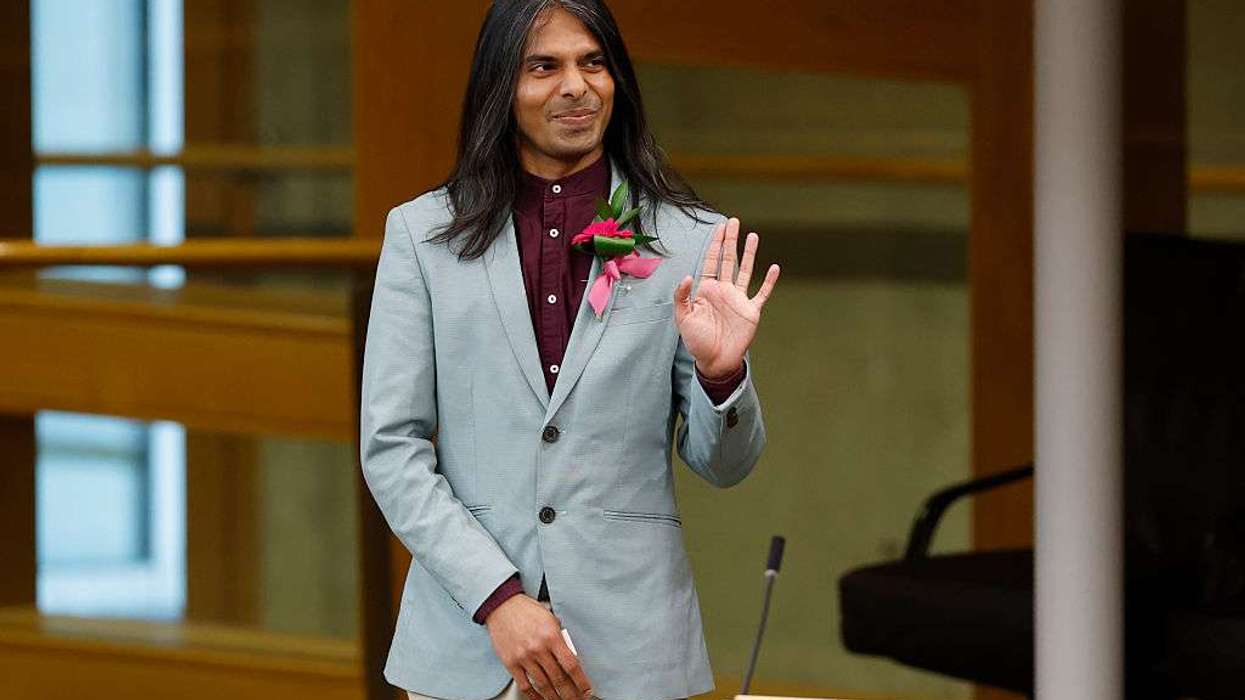
Manivannan, who was in the UK on a student visa, was elected in May through the regional list vote in Edinburgh and Lothians East.
The MSP holds a PhD from the University of St Andrews. According to The Times, he has since been granted a three-year graduate visa, which runs until 2029, before the current Holyrood term ends.
The 2025 Act, passed unanimously by MSPs, extended candidacy rights to resident foreign nationals aged 18 or over with limited leave to remain. This included people on student visas and those with refugee status. The change took effect on August 1, 2025.
According to reports, the reform stemmed from the Bute House Agreement between Nicola Sturgeon’s government and the Scottish Greens.
The Commonwealth anomaly
The legislation was later found to be flawed, The Times reported. For council elections, it covered limited-leave residents from outside the Commonwealth but unintentionally excluded Commonwealth citizens.
This means a US citizen with limited leave can currently stand for a Scottish council, while an Indian or Pakistani national with the same status cannot. The Scottish Local Government Elections (Candidacy Rights of Commonwealth Citizens) Bill was introduced last year to correct this. The committee has now recommended against it.
Committee convenor Jenni Minto, an SNP MSP, said it was vital for Scotland’s elected representatives to reflect the communities they serve. She added that public trust in institutions was fragile.
She said the changes allowing limited-leave residents to stand “appear to have run ahead of what the public want”. She also said the rationale behind them was unclear, and that the new bill risked entrenching a policy that needed to be looked at again.
The committee noted evidence about rising geopolitical tensions in a system where candidate eligibility is largely self-policing. It called for a “practical, pragmatic and hard-headed” approach to future electoral reform. It also urged the Scottish government to collect more data on candidates, including their nationality and visa status.
Reform UK MSP Mark Simpson, a committee member, said he was “delighted that common sense has prevailed.” He said the committee believed limited-leave residents should be barred from Scottish parliamentary elections as well as council polls.
The Times reported that senior SNP members, despite the party having hailed the original reforms as modernisation, were influential in the committee’s position.
Manivannan, the Scottish Greens’ culture spokesman, describes himself as a queer Tamil immigrant. He has been one of the most scrutinised members of the new parliament.
The Sunday Times previously reported that his account of a deprived background in India was contradicted by evidence that he attended private school and had parents in professional jobs. His register of interests at Holyrood lists a house in India.
A Scottish Greens spokesman said thousands of people with limited leave to remain, including Commonwealth citizens, live and work in Scotland and have made a home there. He said they should be able to stand for parliament and councils.
The Scottish government, which has been approached for comment, must now respond to the committee’s recommendations. MSPs are due to decide on the Commonwealth candidacy bill ahead of council elections next May.