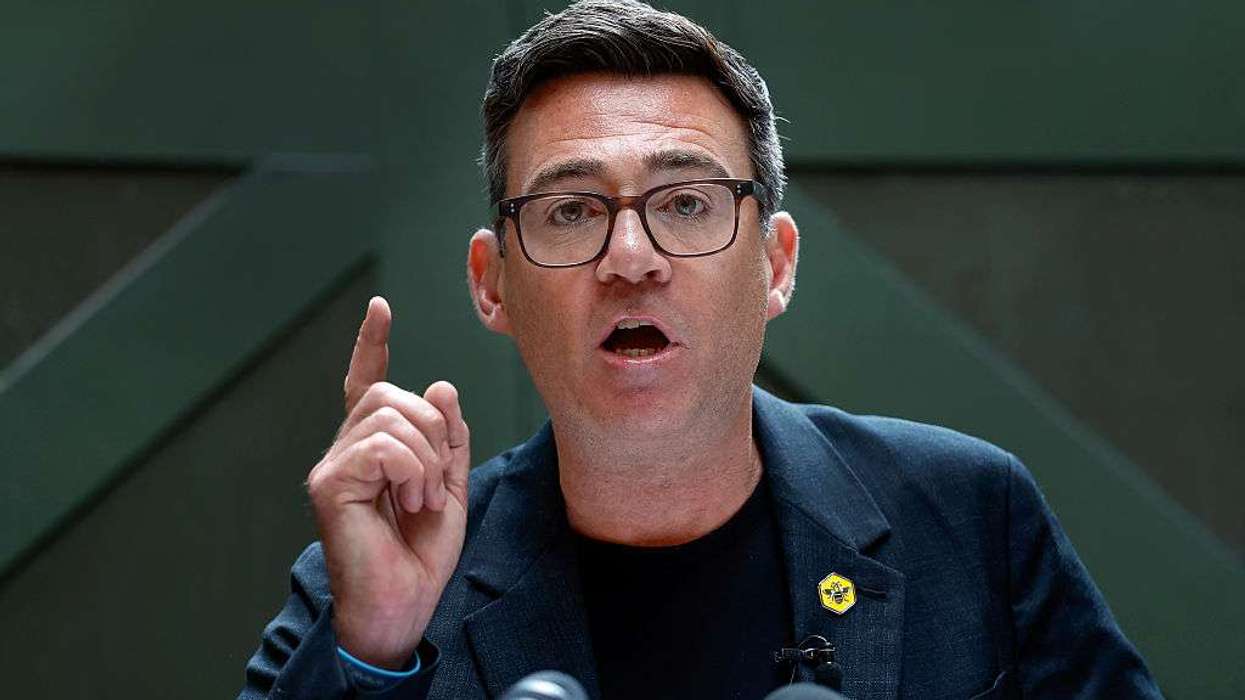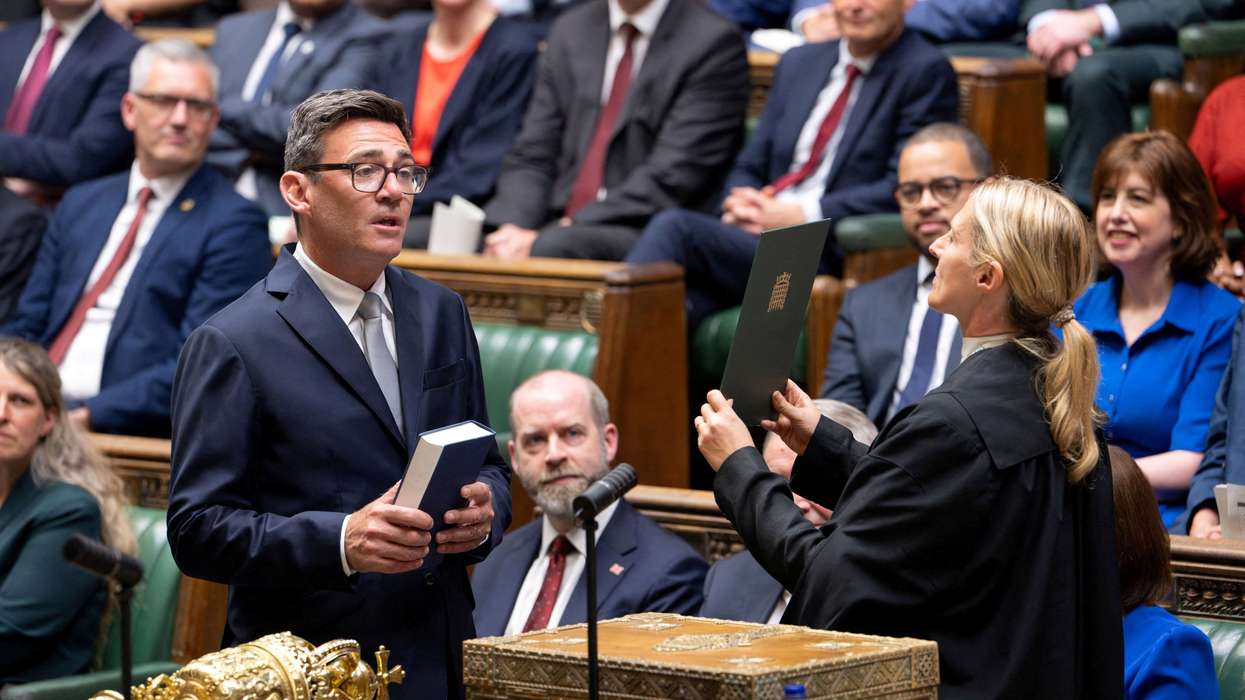

- Andy Burnham is expected to review Palantir's £330 million NHS data contract if he becomes Prime Minister.
- Campaign groups say any crackdown on Big Tech should begin with removing Palantir from the NHS.
- Supporters argue the platform has improved hospital efficiency, while critics cite privacy, ethics and political concerns.
The future of Palantir's NHS contract is once again under the spotlight as Andy Burnham's Big Tech policy is expected to take a different direction from the approach adopted under Sir Keir Starmer. Campaigners are urging the incoming Labour leader to make the US data analytics company one of his first major decisions if he enters Downing Street later this month.
According to multiple British media reports, Burnham is expected to prioritise British technology firms and workers over major US technology companies as part of a wider rethink of the UK's artificial intelligence and digital strategy. His advisers have reportedly argued that the previous government's approach, shaped in part by former ambassador Peter Mandelson, no longer reflects public opinion.
That shift has immediately placed Palantir's position inside the NHS under fresh political scrutiny.
A contract delivering results but attracting criticism
At the centre of the debate is the NHS Federated Data Platform, a £330 million (£440 million) seven-year contract awarded to Palantir Technologies in 2023. The platform helps hospitals analyse patient data, manage waiting lists and improve operational planning.
More than half of NHS trusts in England now use Palantir's technology. Health officials have credited the system with helping deliver more than 110,000 additional operations, speeding up cancer diagnoses, improving operating theatre usage and reducing delays in discharging patients from hospital.
However, the contract has remained controversial. Labour MPs, trade unions and campaign organisations have repeatedly questioned whether a US technology company should hold such a significant role within the NHS. Critics have also pointed to Palantir's work with the Israeli military and US Immigration and Customs Enforcement, arguing that these partnerships raise ethical concerns about the company's involvement in British public services.
According to The Telegraph, ministers have opened the possibility of ending the NHS agreement when a contractual break clause becomes available next March. Notice would need to be given in December if the government decides not to continue with the arrangement.
Pressure builds for a wider rethink of Big Tech
Campaign group Foxglove says Burnham now has an opportunity to turn his rhetoric on Big Tech into policy.
Donald Campbell, advocacy director at Foxglove, reportedly said the incoming Prime Minister should end Palantir's NHS contract if he intends to put public interests ahead of major US technology firms. He argued that Palantir's leadership shares the goal of expanding US technological dominance and said the company should not have a central role within Britain's public services, as quoted in a news report.
Campbell also called for tighter controls on the rapid expansion of hyperscale data centres, warning they could place growing pressure on local communities, energy supplies and the environment. He reportedly said ministers should reduce what he described as Big Tech's influence over government decision-making and avoid relying heavily on partnerships with companies such as Google and Microsoft.
Environmental campaigners echoed those concerns. Owen Espley, campaigns manager at Global Action Plan, reportedly said the government should pause approvals for new hyperscale data centres until a national strategy is developed. He argued that unchecked expansion could increase electricity demand, place greater strain on water supplies and make it harder for the UK to meet its climate targets, as quoted in a news report.
Burnham's own record has also attracted attention. During his nine years as Mayor of Greater Manchester, neither the Greater Manchester Combined Authority nor Greater Manchester Police entered into contracts with Palantir. Supporters say that history could shape decisions if he becomes Prime Minister, although no final commitment has been announced.
The debate comes as other governments reassess their relationships with the company. London Mayor Sadiq Khan recently blocked a proposed £50 million (£66.4 million) Metropolitan Police contract with Palantir, citing procurement concerns. France has also moved away from the company after its domestic intelligence agency decided to terminate its contract.
Whether Burnham ultimately retains or ends the NHS agreement remains uncertain. But with the contract approaching a key review point next year, Palantir's role in one of Britain's most important public services appears set to become an early test of how far a new government is prepared to reshape its relationship with Big Tech.