
- Eighteen animals, birds and insects are in the running for future banknotes.
- Historic figures could disappear from the reverse side for the first time since 1970.
- The public can vote until July 3, but the final choice rests with the Bank of England.
Britons are being asked to help decide which animals will appear on future Bank of England banknotes, as the central bank moves closer to replacing famous historical figures with wildlife for the first time in more than five decades.
The Bank of England banknotes redesign and UK wildlife banknotes consultation have sparked fresh debate about what – and who – should represent Britain on its currency. Eighteen species have now been shortlisted, ranging from kingfishers and hedgehogs to dolphins and bumblebees, with members of the public invited to vote for their favourites before July 3.
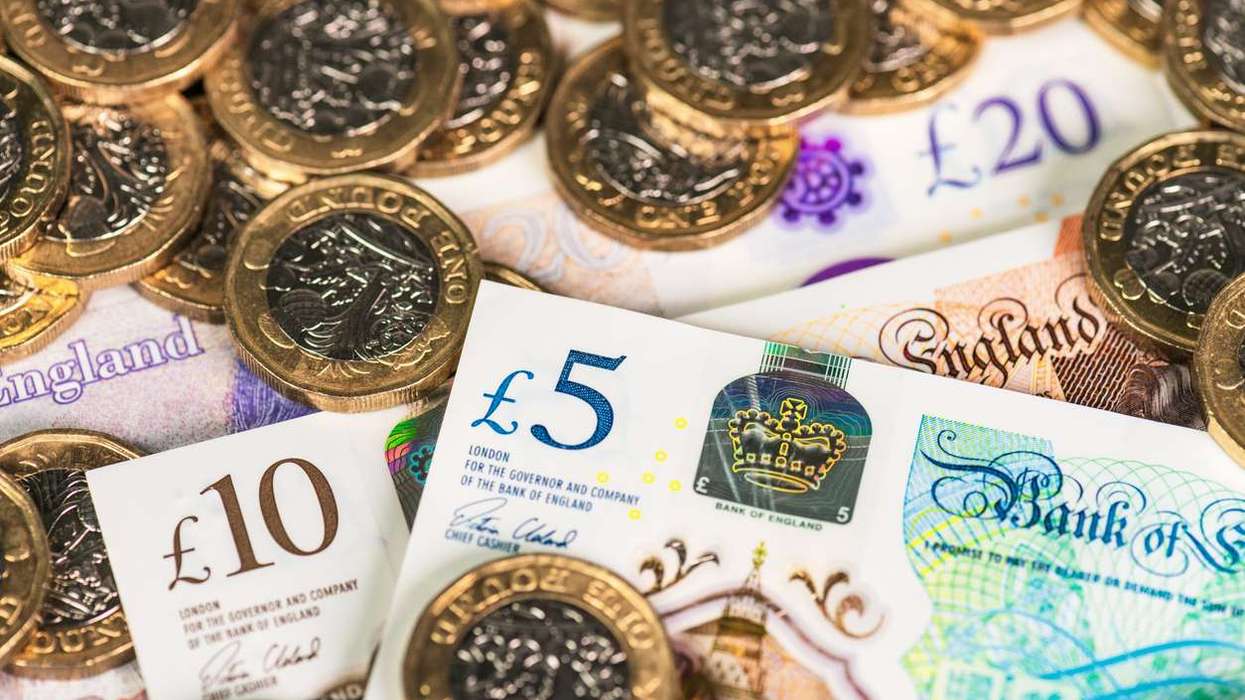
The selected wildlife would appear on the reverse side of the £5, £10, £20 and £50 notes. A portrait of the monarch will remain, alongside imagery representing the nations of the UK.
A changing face of British money
The proposal marks a significant shift in the history of British banknotes. Since 1970, the reverse side of Bank of England notes has featured prominent figures from British history. The current series includes former Prime Minister Sir Winston Churchill on the £5 note, novelist Jane Austen on the £10, artist JMW Turner on the £20 and mathematician Alan Turing on the £50.
Under the new plans, those figures would make way for wildlife chosen from a shortlist drawn up by a panel of conservationists, academics and wildlife broadcasters.
Among the mammal contenders are the red fox, brown hare, European hedgehog, grey seal, bottlenose dolphin and pine marten. The bird category includes the Atlantic puffin, barn owl, kingfisher, Eurasian curlew, great spotted woodpecker and white-tailed eagle. A third group combines amphibians, fish and insects, including the Atlantic salmon, basking shark, common frog, buff-tailed bumblebee, Emperor dragonfly and marsh fritillary butterfly.
Victoria Cleland, the Bank's chief cashier, reportedly said the shortlisted species reflect the rich variety of wildlife found across the UK and expressed hope that the public would engage with the consultation.
More than a popularity contest
While voters can choose up to six species, the outcome will not be determined solely by public support. The final decision will be made by Bank of England governor Andrew Bailey after the consultation closes.
The redesign has already generated political debate. Earlier criticism centred on the prospect of removing Churchill from the £5 note, with some politicians arguing that historic figures should continue to feature prominently on British currency.
Reform UK leader Nigel Farage reportedly criticised the move when the plans first emerged, suggesting it was wrong to replace historical figures with animals. However, several creatures that featured in public debate, including beavers and badgers, did not make the final shortlist.
Churchill's granddaughter Emma Soames reportedly took a more relaxed view, saying she never expected her grandfather's image to remain on the note indefinitely.
The process of designing, testing and printing the next generation of banknotes is expected to take several years before the new notes enter circulation.
Wildlife is already a familiar feature on some British currency. Notes issued by the Royal Bank of Scotland include species such as otters, red squirrels, ospreys and mackerel, offering a glimpse of what could soon become a more common sight in wallets across England and Wales.