
- The Bank of England is considering wildlife imagery for the next banknote series.
- Historical figures such as Winston Churchill and Jane Austen could be phased out.
- The move is partly aimed at improving protection against counterfeiting.
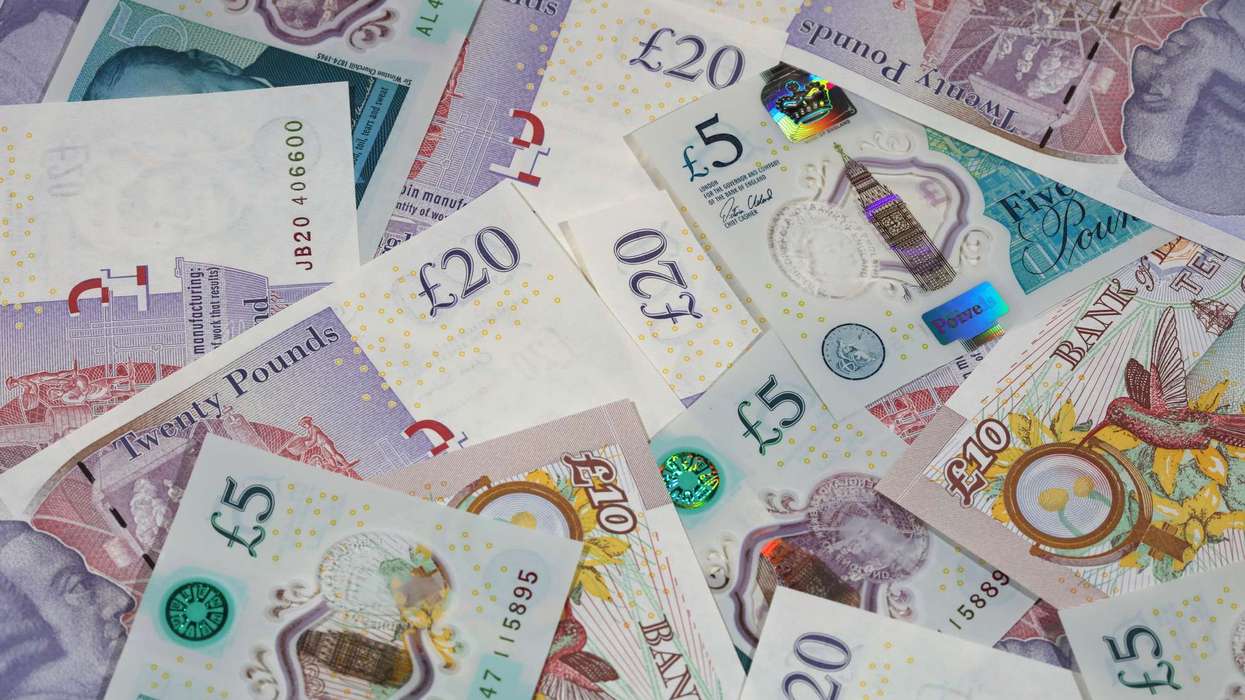
Animals and birds could soon appear on Bank of England banknotes, potentially replacing well-known historical figures such as Sir Winston Churchill, Jane Austen and Alan Turing.
The central bank is exploring the idea as part of the design process for the next generation of £5, £10, £20 and £50 banknotes. Officials suggest the shift towards wildlife imagery may help strengthen anti-counterfeiting measures while also highlighting the country’s natural heritage.
For more than five decades, British banknotes have typically featured prominent historical figures alongside the monarch. Churchill currently appears on the £5 note, Jane Austen on the £10, artist JMW Turner on the £20 and mathematician and wartime codebreaker Alan Turing on the £50.
If the proposals move forward, these portraits could gradually disappear from circulation as older notes are phased out.
Nature rises to the top of public choices
The idea of using wildlife appears to have gained momentum after a public consultation conducted by the Bank of England.
Around 44,000 people responded, with roughly 60 per cent selecting nature, particularly wildlife native to the UK, as their preferred theme for future notes. Architecture and landmarks followed with 56 per cent support, while historical figures were chosen by 38 per cent of respondents.
Victoria Cleland, the Bank’s chief cashier whose signature appears on banknotes, reportedly said the main motivation behind a new series is always security. However, she suggested the redesign also offers an opportunity to showcase other aspects of the UK.
“The key driver for introducing a new banknote series is always to increase counterfeit resilience, but it also provides an opportunity to celebrate different aspects of the UK,” Cleland reportedly said. She added that nature works well from an authentication perspective while allowing the notes to reflect the country’s wildlife.
An expert panel is now expected to draw up a shortlist of animals or birds that could feature on the notes. The group includes wildlife broadcasters Gordon Buchanan, Miranda Krestovnikoff and Nadeem Perera, alongside conservation and academic specialists.
A long design process ahead
Even if wildlife designs are selected, the change will not happen quickly. The Bank of England said it may take several years before the new banknotes are designed, tested and produced in large quantities.
The monarch will continue to appear on one side of the currency, a tradition that stretches back centuries. British coins have carried the image of the reigning monarch for more than 1,000 years.
Wildlife imagery is already familiar on some UK banknotes. Scottish banknotes issued by the Royal Bank of Scotland, for example, feature animals such as mackerel, otters, red squirrels and ospreys.
Supporters of the wildlife theme argue it reflects a deeper cultural connection. Nadeem Perera, one of the experts on the panel, reportedly said wildlife is closely woven into British culture and identity.
“The wildlife of the UK is not separate from our culture — it sits in our football crests, our folklore, our coastlines and our childhoods,” he reportedly said.
The Bank of England is expected to reveal a shortlist of potential wildlife designs during the summer, with the final decision resting with governor Andrew Bailey.