
Highlights
- Starmer remains defiant despite more than 90 Labour MPs calling for his resignation
- Gill has been appointed parliamentary under-secretary of state for health
- She has long championed causes, including anti-Sikh hate crime and fuel poverty
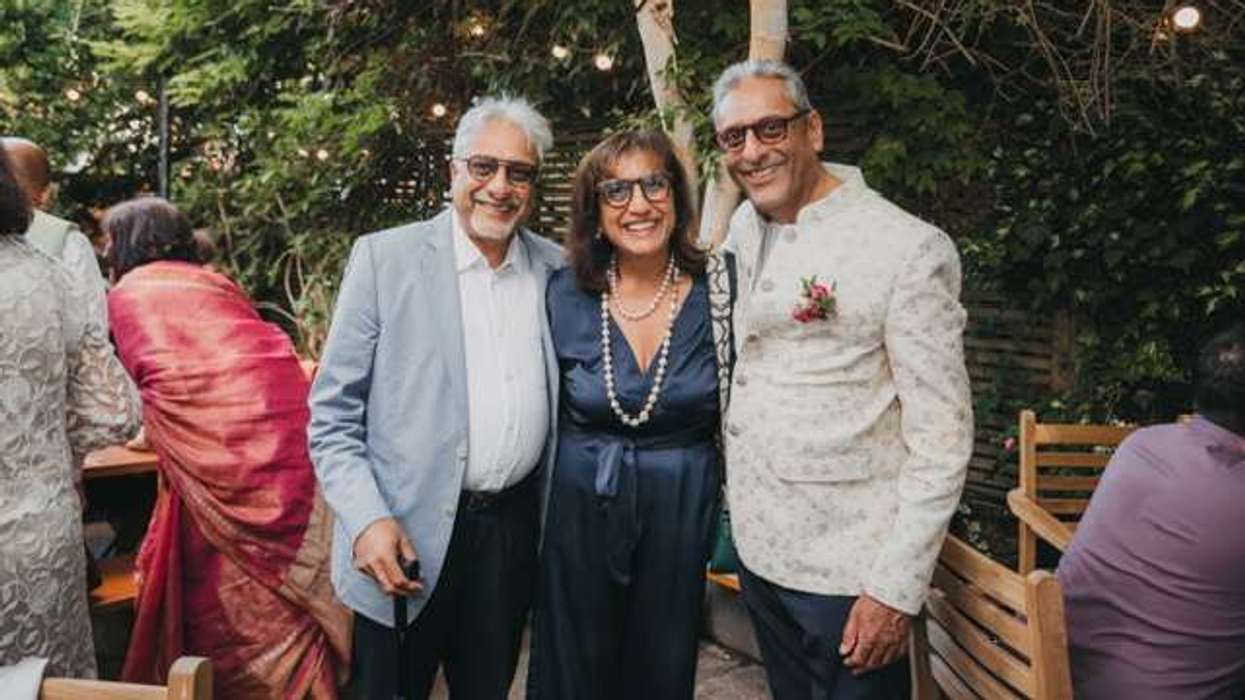
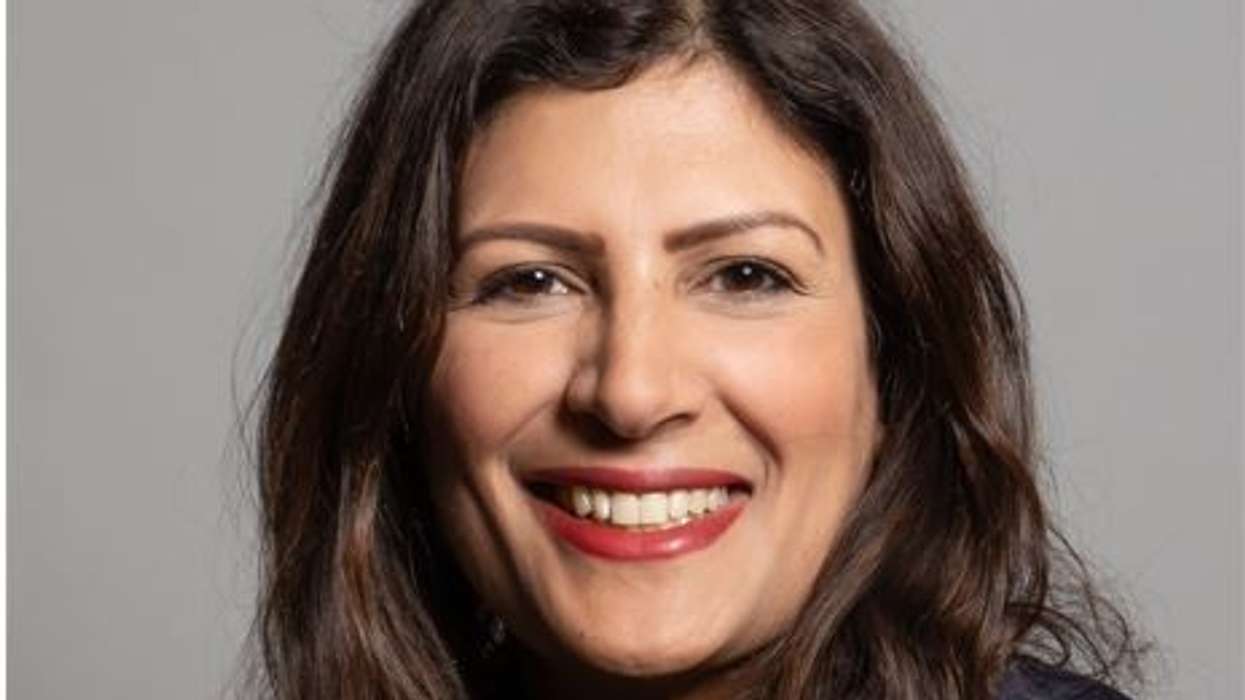
BIRMINGHAM MP Preet Kaur Gill has been appointed parliamentary under-secretary of state in the department of health and social care, as Sir Keir Starmer moved swiftly to fill the vacuum left by a wave of ministerial resignations this week.
Gill was one of seven new appointments announced on Tuesday (12), alongside Nesil Caliskan as parliamentary under-secretary in the ministry of housing, communities and local government; Natalie Fleet in the Home Office; and Catherine Atkinson in the ministry of justice.
Three new government whips were also named - Gen Kitchen as comptroller of HM household, Deirdre Costigan as junior lord of the treasury, and Shaun Davies as assistant whip in the House of Commons.
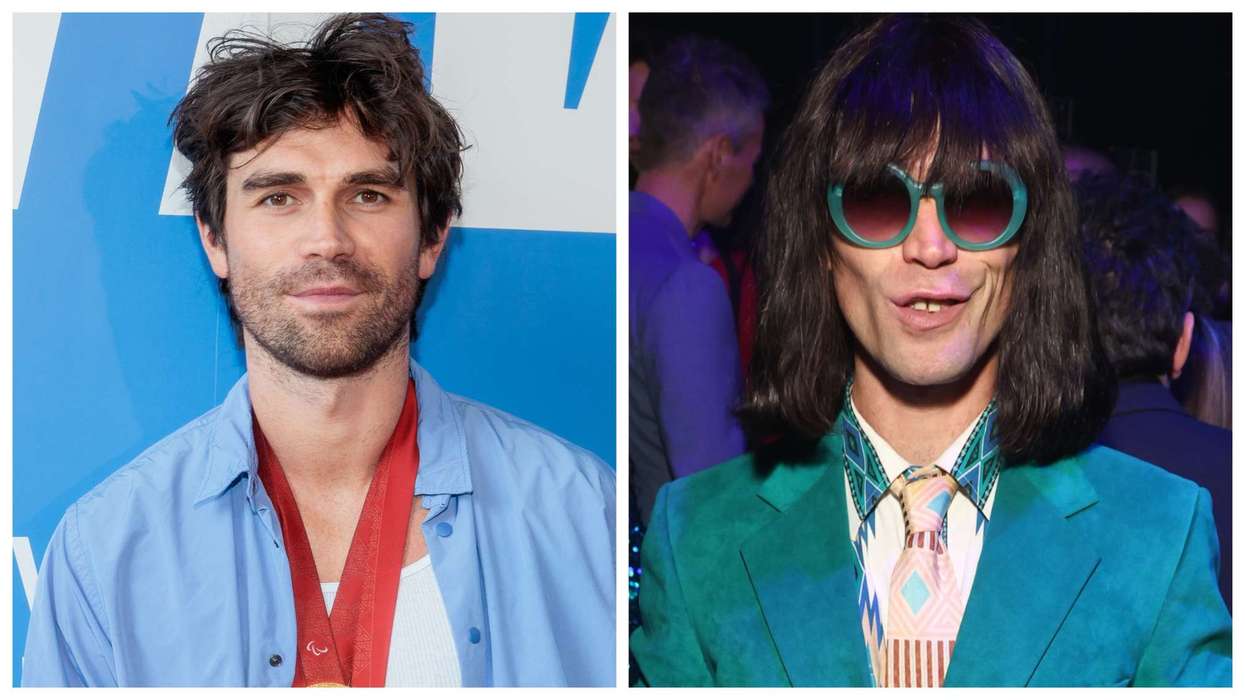
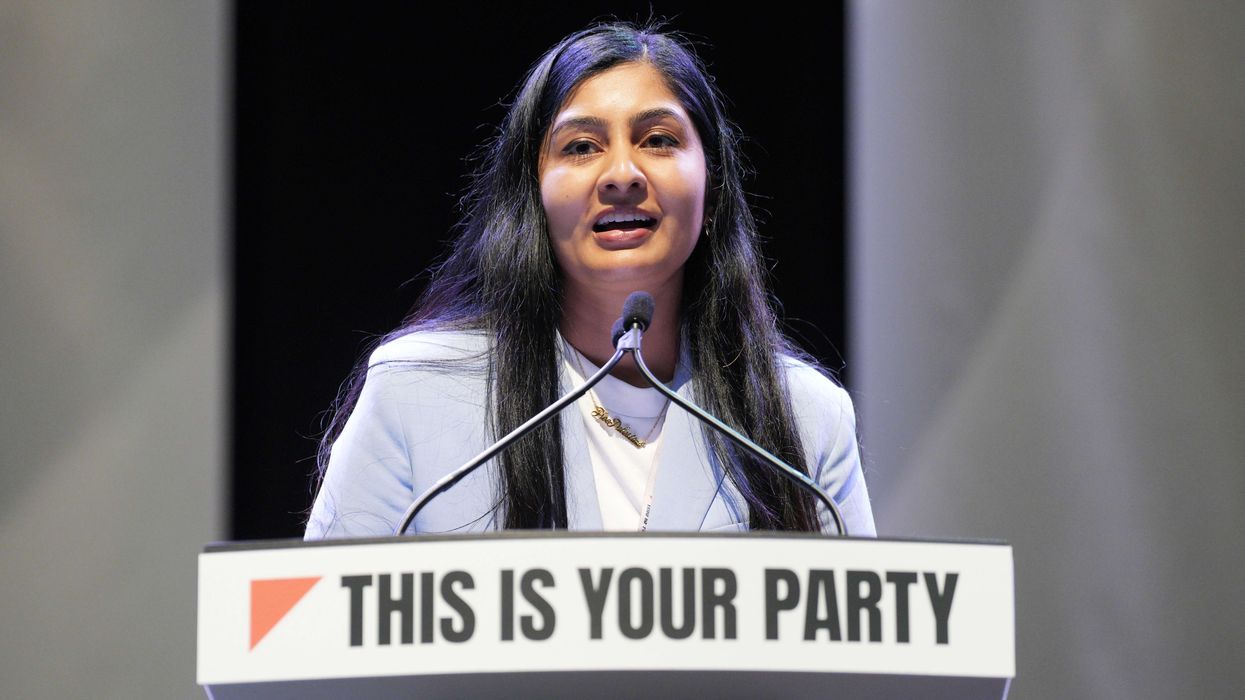
The appointments came after four junior ministers — Miatta Fahnbulleh, Jess Phillips, Alex Davies-Jones and Zubir Ahmed — quit the government in protest at the prime minister's leadership.
Safeguarding minister Jess Phillips said she was "not seeing the change I think I and the country expect" and could no longer serve under the current leadership.
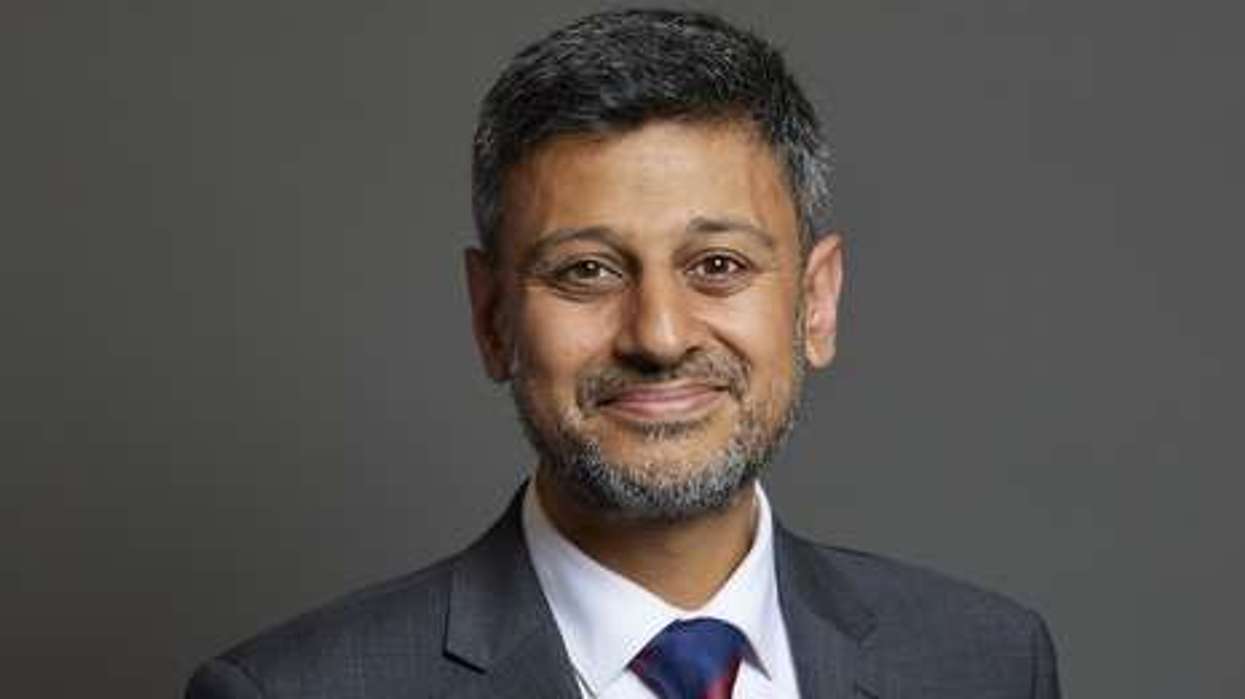 Zubir Ahmed Eastern Eye
Gill: A trailblazer for Birmingham
Gill's appointment is a significant moment for one of Birmingham's most prominent political figures. First elected as the MP for Edgbaston in 2017, she made history as the first female Sikh to enter the House of Commons. Since arriving in Westminster, she has become an outspoken advocate for the Sikh community, championing the recognition of anti-Sikh hate crime and leading the campaign for a Sikh ethnic tick-box on the census.
She chairs the all party parliamentary groups on mentoring and for British Sikhs, and has spoken of her belief that MPs must "amplify the voices of the underrepresented communities they serve in parliament."
Born and raised in Edgbaston, Gill is the eldest of seven children. Her father was a bus driver and her mother a seamstress. She went on to earn a first-class degree in Sociology and Social Work from the University of East London before working as a social worker.
Her route into elected politics began when she was returned as a Labour councillor for Sandwell Metropolitan Borough Council in 2012 — at the time, the sole female Sikh councillor among 72 members. She won the MP of the Year Award from the Patchwork Foundation, recognising her campaign against fuel poverty, and has previously served as a shadow minister for international development.
A government under siege
The catalyst for Starmer's crisis was Labour's dire performance in last week's local council elections, in which the party lost control of more than 30 councils and around 1,500 councillors were defeated, with voters drifting to both Reform UK on the right and the Greens on the left.
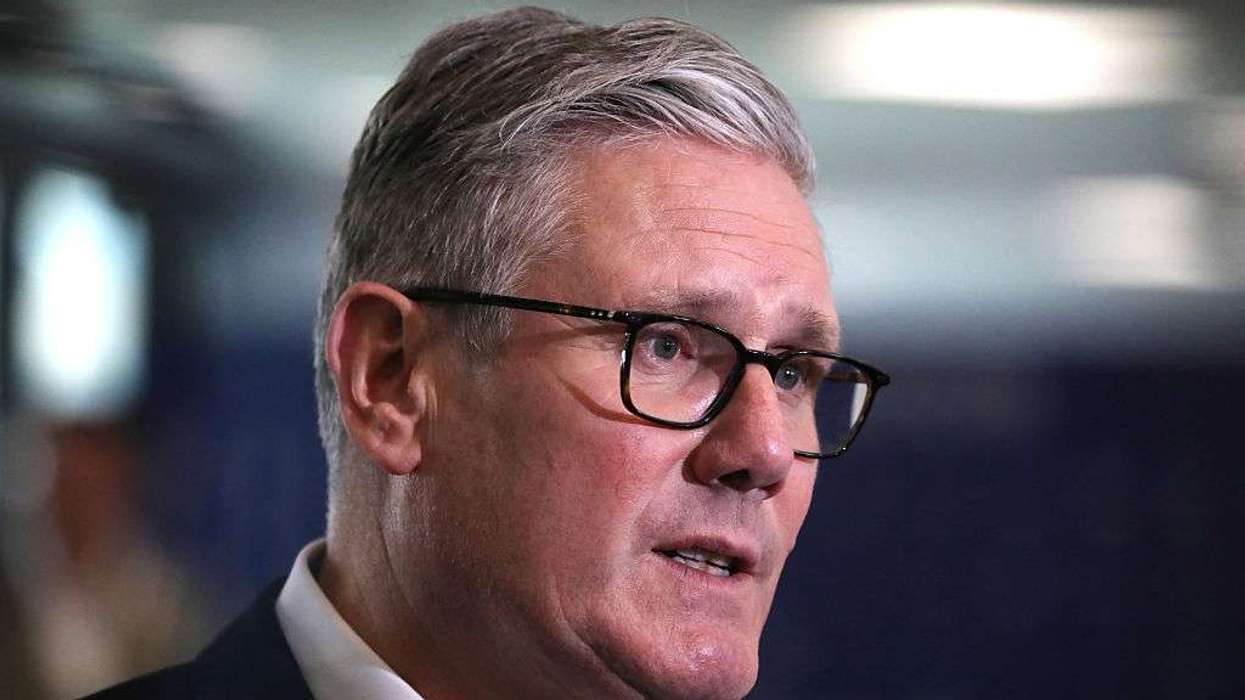
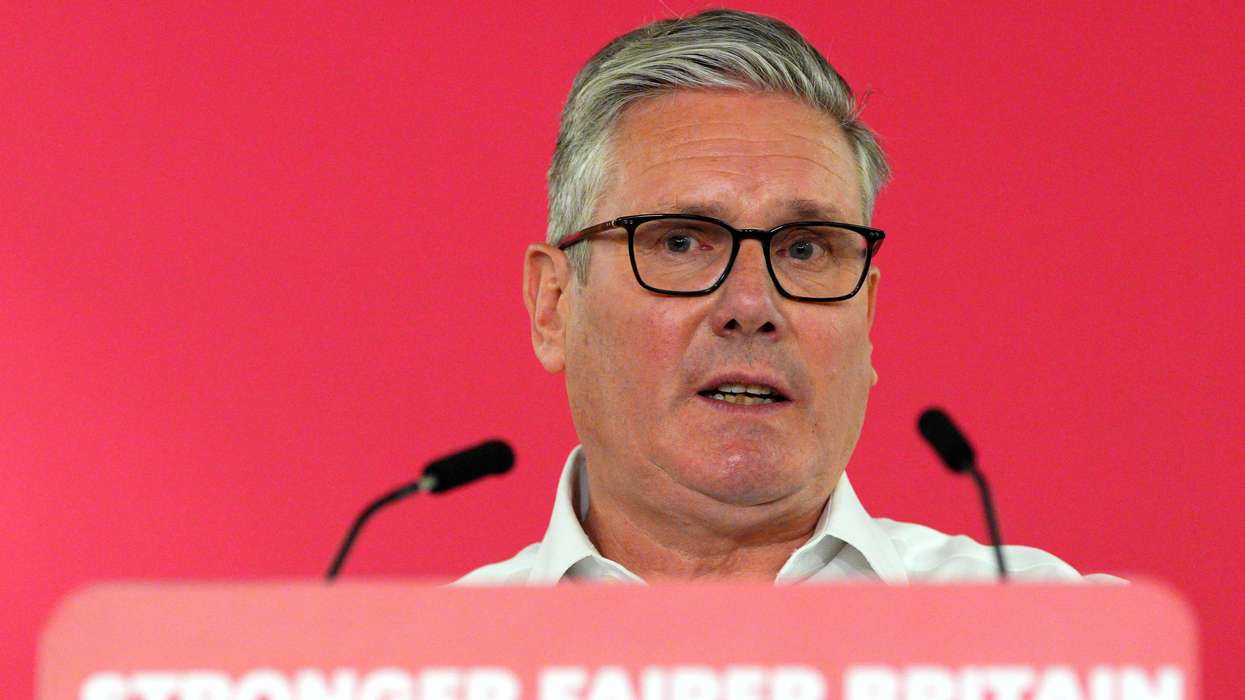
According to reports, more than 90 Labour MPs called on Starmer to set a date for his departure, while a group of 103 Labour backbenchers published a letter of support for the prime minister. Starmer has remained defiant, telling his cabinet he will "get on with governing" and pointing out that a formal leadership challenge has not yet been triggered.
UK government borrowing costs surged on Tuesday morning to their highest level since 2008, reflecting market unease over the political turmoil.
(with inputs from agencies)