
- The pound edged up to $1.34 but stayed below recent highs.
- Markets remain sensitive to the uncertain US-Iran ceasefire.
- Analysts see limited upside for sterling against the euro.
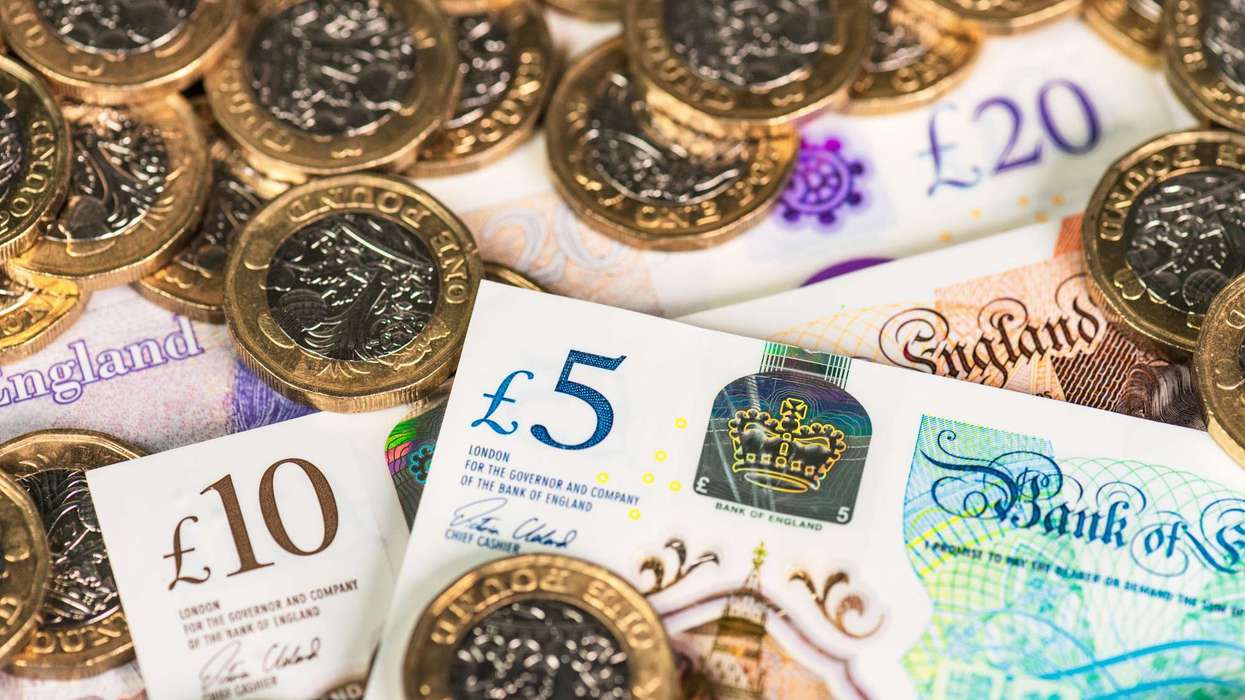
The British pound held onto recent gains against the US dollar but struggled to move much higher, as uncertainty around the US-Iran ceasefire continues to shape currency markets.
Sterling was last trading around $1.34 (£1 = $1.34), slightly firmer on the day but still below its recent peak near $1.35 (£1 = $1.35). The move reflects a cautious mood among traders, with markets reacting to geopolitical developments rather than clear economic signals.
The tentative ceasefire between the US and Iran had earlier supported risk sentiment, helping the pound recover from levels below $1.33 (£1 = $1.33). But with the situation appearing unstable, that momentum now seems to be fading.
Markets caught between relief and risk
Developments in the Middle East continue to dominate sentiment. Reports of fresh Israeli strikes in Lebanon and ongoing tensions around the Strait of Hormuz have raised doubts about how long any ceasefire might hold.
The Strait, a key route for global energy shipments, remains a focal point. Any disruption there tends to ripple through oil prices and, in turn, currency markets.
The US dollar has generally strengthened during the conflict, partly because the US is seen as less exposed to energy supply shocks compared to Europe. The UK, like much of Europe, remains more vulnerable to such disruptions, which has kept the pound sensitive to headlines.
Limited room to climb
Against the euro, the pound has shown some strength but may struggle to push much further.
The euro was trading at around 87 pence, slightly higher on the day after dipping earlier in the week. Analysts suggest that while sterling has benefited from improving equity markets, that support may not last.
Francesco Pesole noted, as quoted in a news report, that expectations around interest rates could cap further gains. He pointed out that the European Central Bank may maintain tighter policy for longer than the Bank of England.
He added that the Bank of England had already been leaning towards rate cuts even before the conflict began, which could limit sterling’s upside.
For now, the pound appears to be moving in step with global sentiment — rising on signs of stability and slipping when tensions resurface.
With the geopolitical backdrop still uncertain, currency markets may remain reactive rather than directional in the near term.