
Highlights
- Former Belron chief urges billionaires to increase charitable giving during their lifetimes.
- Lubner says there is more than enough money among the ultra-rich to address global needs.
- This Day Foundation supports social change initiatives in Britain and South Africa.
- Catalyst Now Awards recognise four organisations for innovative approaches to philanthropy.
A PROMINENT businessman and philanthropist has challenged fellow billionaires to distribute more of their fortunes during their lifetimes.
Gary Lubner, who was CEO at Belron, the company behind Autoglass, has pledged to give away at least 95 per cent of his wealth.
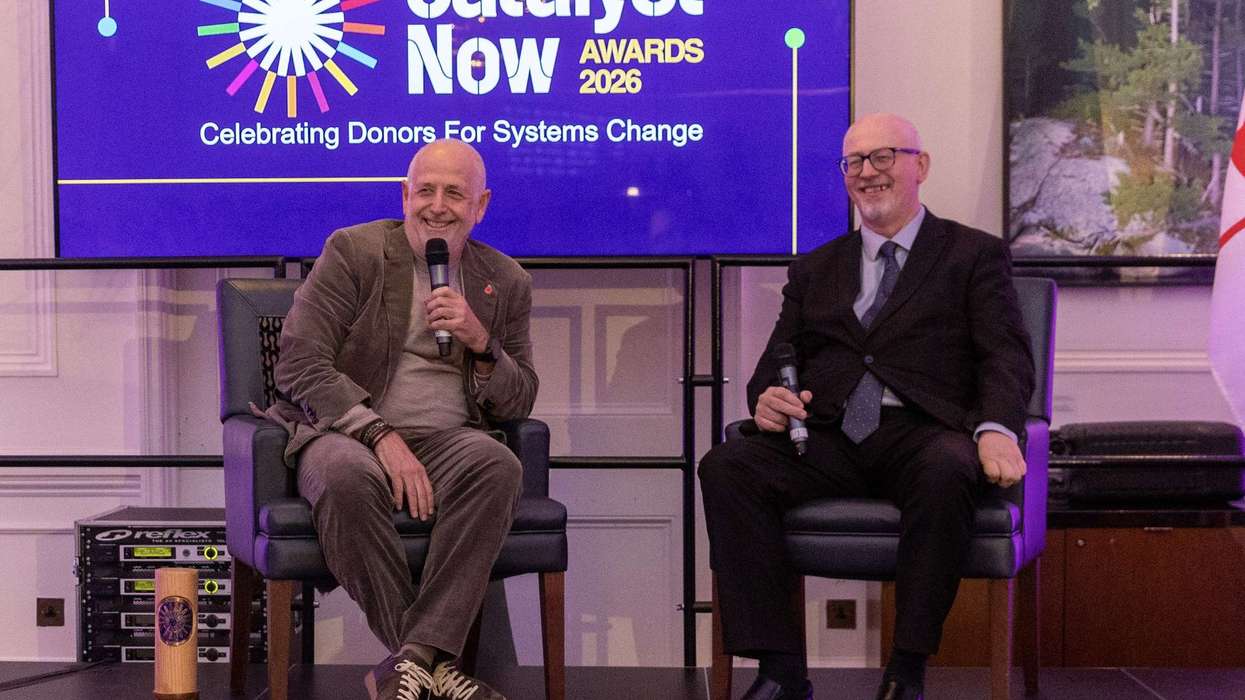
At the fifth Catalyst Now Awards in London last Thursday (5), he urged wealthy individuals to use their resources to tackle social problems rather than leave most of their fortunes to future generations.
"I want my legacy to be measured not in financial terms, but in the futures we help make possible," he said.
Countess Karen Spencer, co-chair of Catalyst Now, said philanthropy needed to change not only in terms of how much money was donated, but also how it was distributed.
"Good philanthropy is about both giving more and giving better. The way we give can make every donation more impactful," she said.
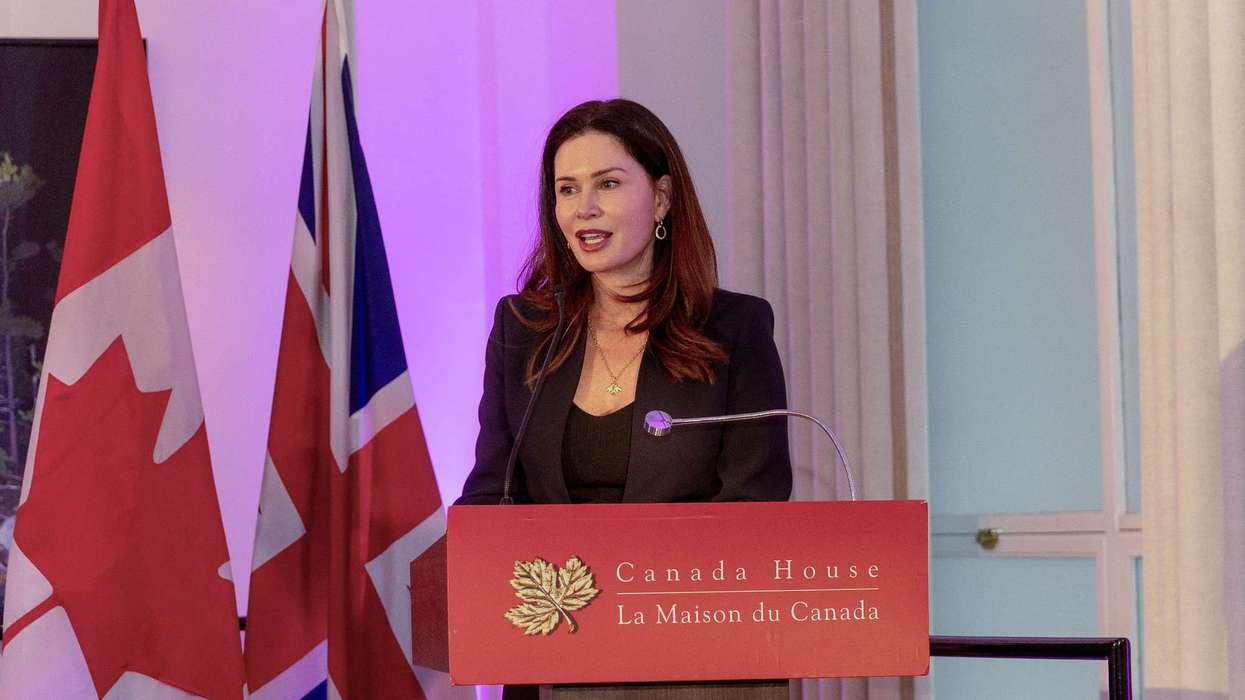 Karen, Countess Spencer, co-Chair, Governing Council, Catalyst Now & Founder & Board Chair, Whole Child International speaks during the eventDarren Bandoo / DRGNFLY.SOCIAL
Lubner made the comments during a Q&A with Matthew Bishop, co-chair of the Catalyst Now Awards committee at the Canada House event.
He recalled becoming uncomfortable with the scale of wealth he had accumulated during his business career.
"I have used the word 'obscene', which some people do not particularly like. I felt it was almost obscene that someone like me should be rewarded to that extent," he told an audience of philanthropists and social innovators.
Lubner spent 34 years at Belron, serving as its chief executive for 23 years before stepping down in 2023. Belron is a global vehicle glass repair and replacement group, operating in 42 markets through brands including Autoglass in the UK, where it repairs and replaces windscreens and other vehicle glass.
The company employs around 32,000 people worldwide and provides vehicle glass recalibration services, which are increasingly important as modern vehicles rely on cameras and sensors fitted around windscreens.
A commitment to give away wealth
Lubner said he and his three children had decided to give away most of their wealth. The commitment has since been refined to at least 95 per cent, which he hopes to distribute during his lifetime.
"Ideally, I would like to do that during my lifetime. That is the one variable I cannot control, but I will do my best," he said.
He received the Catalyst Now Special Recognition Award for his approach to philanthropy, which focuses on supporting organisations and leaders working towards long-term social change.
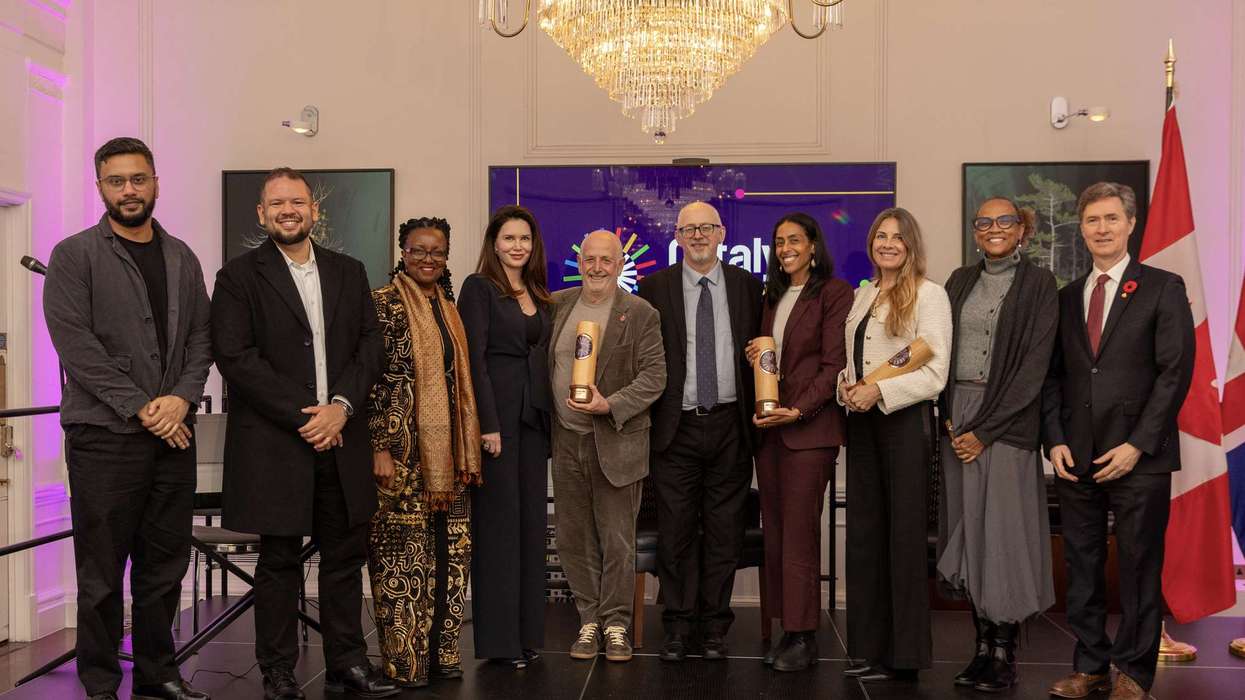 From L to R - Zibran Choudhury, head of engagement, Alliance Magazine; Salomão Lima, CEO, Sal&Co; Dr. Wamuyu Mahinda, co-Chair, Governing Council, Catalyst Now & Founding Partner, Collaborative Value Partners; Karen, Countess Spencer, co-chair, Governing Council, Catalyst Now & Founder & Board Chair, Whole Child International; Gary Lubner, founder, This Day Foundation, Philanthropist & Former CEO of Belron; Matthew Bishop, co-chair, Catalyst Now Awards; Nadia Kist, CEO Blood:Water; Maria Bystedt, program director at H&M Foundation; Cheryl Dorsey, co-chair, Governing Council, Catalyst Now & CEO, Echoing Green and Robert Fry, deputy high commissioner for Canada in the UKDarren Bandoo / DRGNFLY.SOCIAL
In his acceptance statement, Lubner said he believed in fairness and equality and wanted to use his resources to improve opportunities for others.
Lubner questioned the reluctance among some wealthy individuals to spend their fortunes, recalling discussions at his first Giving Pledge gathering earlier this year.
He said nobody in one discussion had seen their wealth decline over the previous year, while only a handful were actively spending it down.
"The suggestion that there are not enough organisations to support is difficult to accept," he said, arguing that even annual wealth growth of five or six per cent among the ultra-rich could release enormous sums for social causes.
"There is more money than these wealthy individuals could ever use. They can leave whatever legacy they want for their families and still have much more than they need."
He added: "At the same time, there is enormous need around the world. We could make this world a much better place if more money were given away."
South African influence
Lubner's approach to giving has been shaped by his upbringing in apartheid-era South Africa. His grandparents were Eastern European refugees who arrived in the country with little, but eventually built successful businesses.
His family believed financial success brought an obligation to give back to the communities in which they lived.A defining experience came when he was 17 and conscripted into the South African Police Force, which was responsible for enforcing apartheid.
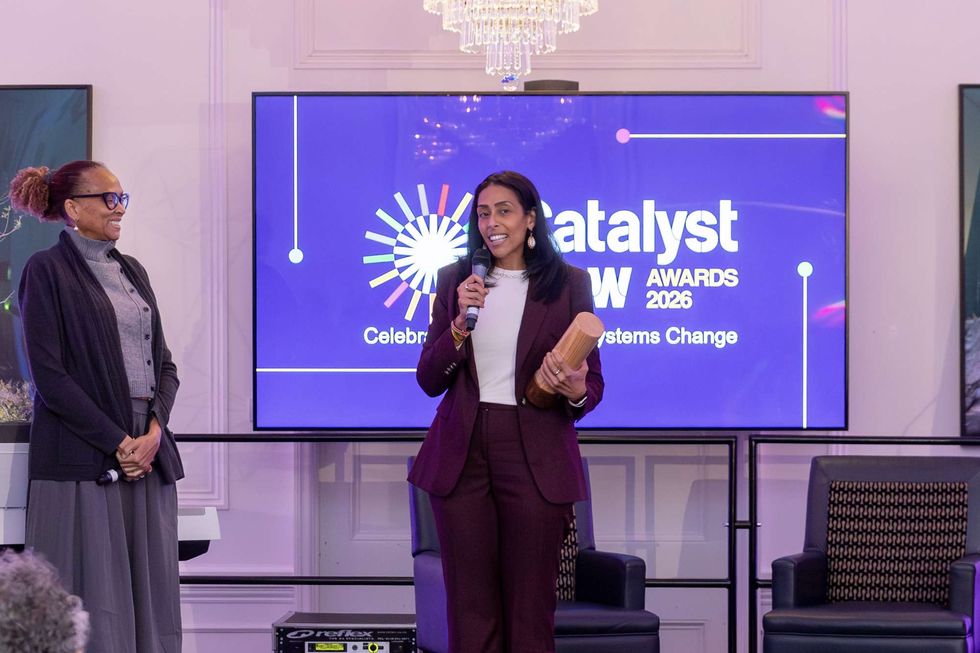 Nadia Kist, CEO Blood:Water receives the awardDarren Bandoo / DRGNFLY.SOCIAL
This made him realise the opportunities he had enjoyed were largely determined by the colour of his skin and where he was born.
He subsequently became involved in the anti-apartheid struggle before moving to Britain for postgraduate studies.After completing his master's degree, Lubner joined Belron and helped develop it into a global business.
His business philosophy rested on three priorities: customers, employees and society. He believed financial performance would follow if those areas received the right attention.
That approach was reflected in an employee reward scheme in 2021, when the company distributed more than £8,000 each, partly in cash and partly in shares, to about 27,000 employees.
Following his departure as chief executive, Lubner established the This Day Foundation to devote more time to philanthropy.The foundation's name reflects his belief that organisations should receive funding when they need it, rather than having to wait for support at some distant point in the future.
This Day works in Britain and South Africa, backing leaders and organisations seeking to address structural barriers to opportunity. Its areas of focus include early childhood development, youth employment, education inequality and support for refugees and asylum seekers.
Around 60 to 70 per cent of its funding goes to South Africa, where it supports work on early childhood development, youth employment and social justice.
In Britain, its work includes supporting refugees, asylum seekers and migrants, as well as promoting community cohesion. It also aims to support organisations working in the country's 100 most deprived communities.
Significance of investing in organisational capacity
Lubner wants to move away from traditional grant-making models that can involve lengthy applications, restrictions, and repeated reporting requirements. After carrying out due diligence, the foundation seeks to provide unrestricted funding and longer-term support, allowing organisations to decide how best to use the money.
He has also highlighted the importance of investing in organisational capacity, including leadership development, succession planning and additional staff. Such support, he believes, can deliver greater long-term benefits than financing individual projects alone.
Lubner also discussed his support for the Labour party, saying it had emerged from his philanthropic work with refugees and migrants. A lifelong Labour voter with centre-left views, he said he began donating to the party because he believed a change of government was necessary to address policies affecting those communities.
"I wanted a Labour government because I believed it was the only party in the UK that could deliver the changes that mattered to me," he said.
He also spoke about his investment in Brentford Football Club, pointing to its community programmes, which reach around 40,000 people in the borough and surrounding areas.
The fifth Catalyst Now Awards recognised four organisations for funding approaches that give social innovators greater flexibility, build partnerships and support long-term change.
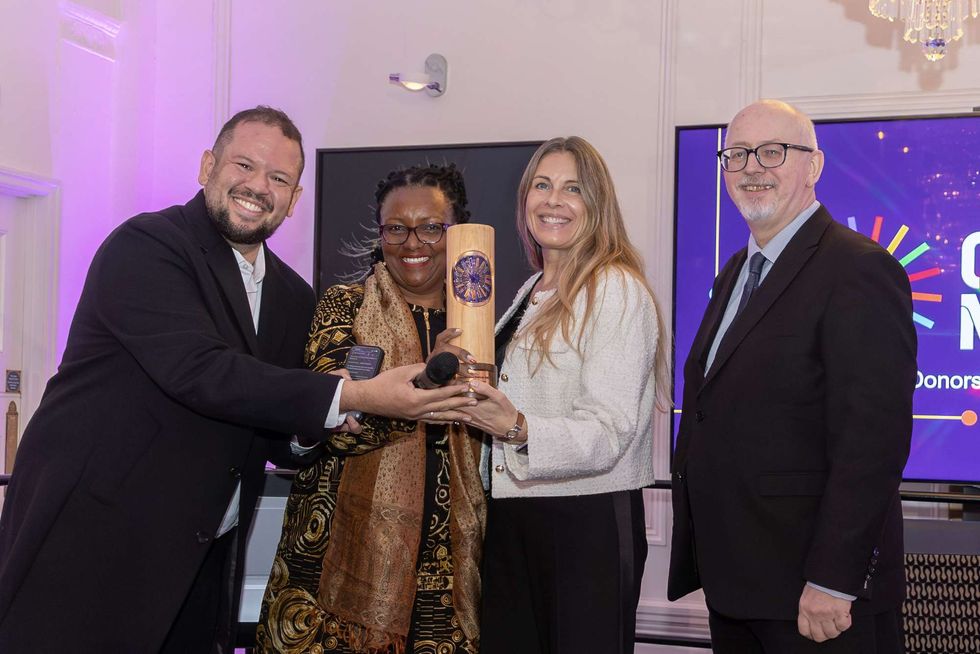 Maria Bystedt (third from left), program director at H&M Foundation receives the awardDarren Bandoo / DRGNFLY.SOCIAL
H&M Foundation received the Leader in Field Building award for its sustained investment in strengthening the wider social innovation sector.
Blood: Water won the Leader in Partnership award for working with African-led organisations through flexible, long-term funding and capacity building, while seeking to address the power imbalance between funders and recipients.
Imago Dei Fund received the Leader in Transformative Compliance award for reducing administrative demands through multi-year, unrestricted core funding and a trust-based approach that includes developing proposals jointly with recipients.
VélezReyes+ won the Leader in Trust award for providing unrestricted funding, including support for overhead costs, and adopting a mission-focused approach to giving.
Welcoming guests to Canada House, Canadian deputy high commissioner Robert Fry said lasting progress depended on governments, businesses, philanthropists and communities working together.
"Some of the most effective solutions emerge when government, philanthropy, social innovators, businesses and communities come together, bringing different perspectives and strengths to a common purpose," he said.
Spencer said the awards had been established to encourage change in the funding community by recognising donors who supported social innovators effectively.
"We decided that one of the best ways to change and inspire the funding community was to recognise those who were meeting the moment, elevate what they were doing and make their work visible, in the hope of inspiring others to follow suit," she said.
Bishop said the scale of global challenges required a different approach to funding social change.
Fellow committee co-chair Sohini Bhattacharya called for a fundamental shift towards trusting social innovators, supporting long-term work and giving those closest to problems the freedom to develop solutions.
Catalyst Now is a global movement connecting more than 7,500 social innovators across more than 156 countries. It brings together community leaders, social entrepreneurs, funders, businesses and policymakers to encourage collaboration and address complex social challenges.