Four weeks ago, with its most important festival coming up and millions of people facing starvation as economic activity dwindled, Pakistan lifted a two-month-long coronavirus lockdown.
Now, the government data shows over 20,000 cases of the virus were identified in the three weeks before the lockdown was lifted, and more than double that figure were identified in the three weeks since, reported Reuters.
The country increased testing rates. But of those tested, the daily average of positive results climbed from on average 11.5 per cent in the three weeks before the lockdown was lifted, to 15.4 per cent on average in the subsequent three weeks. The ratio is around 23 per cent this week, according to the data.
The Covid-19 cases in Pakistan now stand at 89,249 with 1,838 deaths. As many as 31,198 people have recovered from the disease, official data said.
"Those numbers are concerning, since they do suggest there may still be widespread transmission in certain parts of the country," said Claire Standley, assistant research professor at the Department of International Health at Georgetown University.
Experts say measures that could curb cases – like limits on religious gatherings and crowded shopping areas and emphasising social distancing – should be reinstated and some doctors are raising the alarm.
In a letter, a committee of experts backed by the local health department in Pakistan's most populous province, Punjab, told the provincial government the lockdown needed to continue. The letter said random testing suggested more than 670,000 people in the provincial capital Lahore had likely contracted the virus, many of them asymptomatic.
The Punjab Health Minister Yasmeen Rashid said the letter had not been disregarded, but set aside in light of a Supreme Court decision that lockdowns should be lifted.
Most hospitals in Lahore are now full and are sending cases to Mayo Hospital, a public facility with more than 400 beds dedicated to COVID-19 cases, said Salman Kazmi, general secretary of the Young Doctor’s Association, who is treating coronavirus patients there.
Asad Aslam, the CEO of Mayo, however disputed claims that Lahore hospitals were saturated. "We can handle further burden of patients," he said.
Pakistan lifted its lockdown on May 9, about two weeks before the Eid al-Fitr festival that marks the end of the Islamic holy month of Ramadan and is celebrated with family gatherings and feasting. Transport and most businesses have re-opened but cinemas, theatres and schools remain closed.
There has been growing debate among experts globally on whether populous developing nations can afford comprehensive social distancing measures to contain the coronavirus while avoiding economic ruin.
Some officials have suggested "herd immunity" could contain the virus, a situation where enough people in a population have developed immunity to an infection to be able to effectively stop that disease from spreading. However, the World Health Organization has warned countries that have "lax measures" in place against counting on herd immunity to halt the spread of Covid-19.
"The Pakistan government is setting itself up for a huge gamble but it's also a test case for herd immunity because South Asia has no other choice," said a senior European Union official who oversees South Asia.



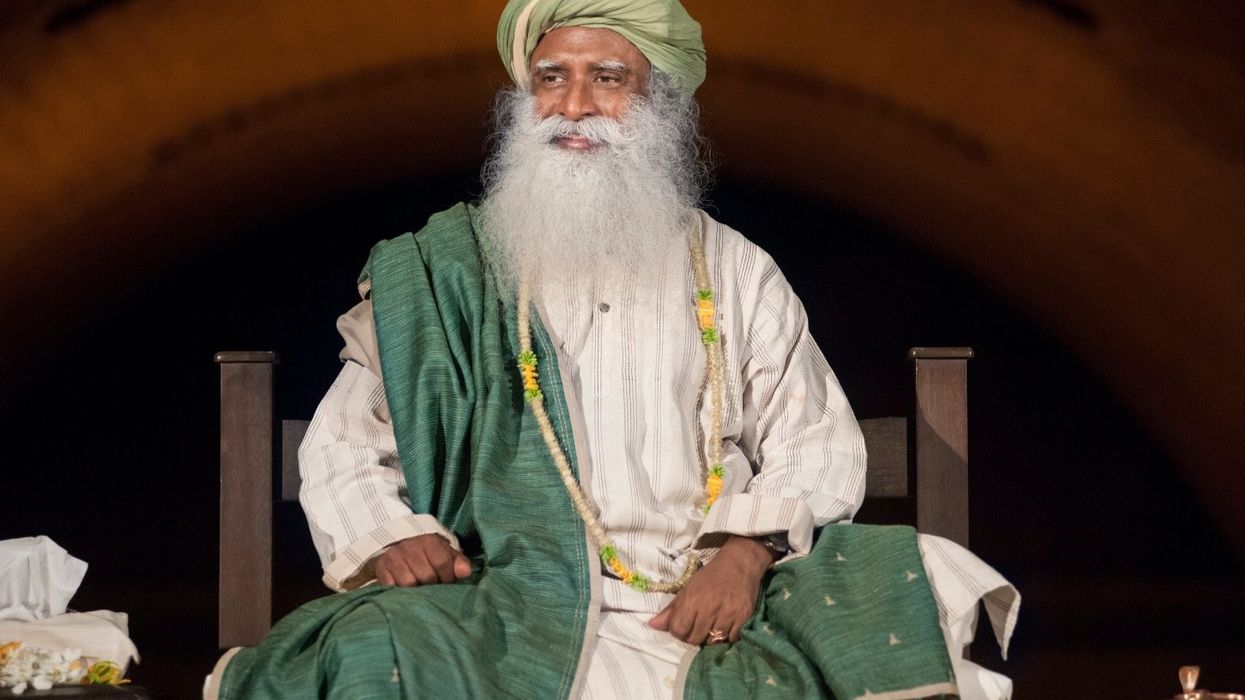

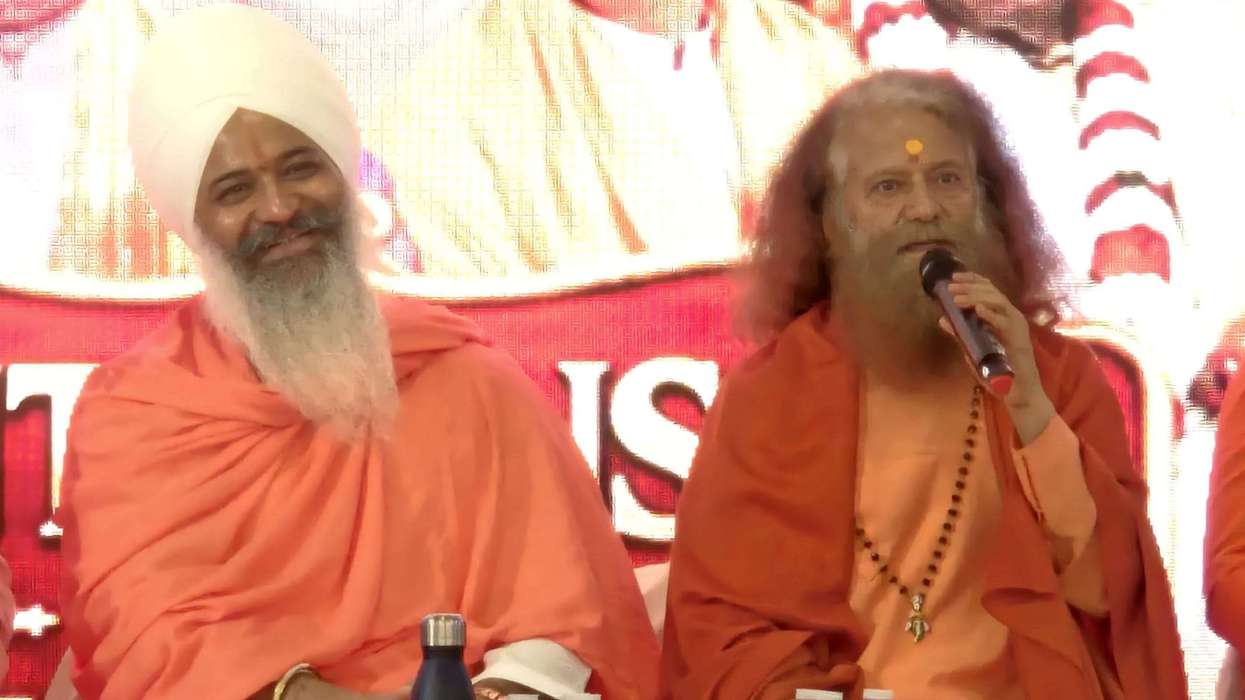
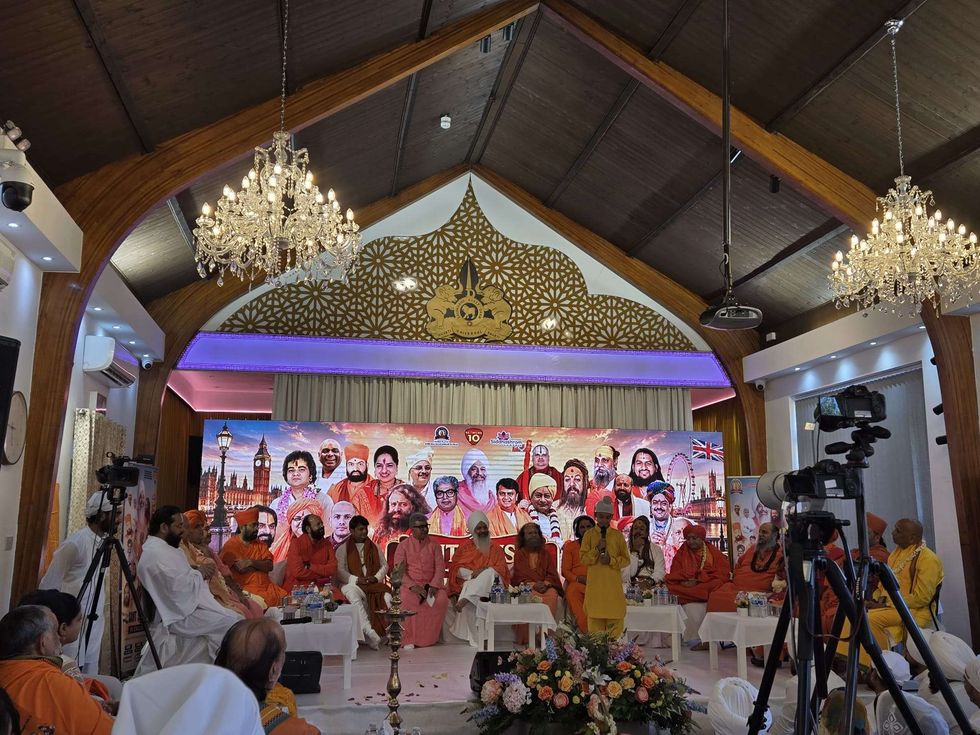 Sant Sansad Master Jasraj sharing his views Mahesh Liloriya
  Sant Sansad- Deep PrajjawalanMahesh Liloriya